
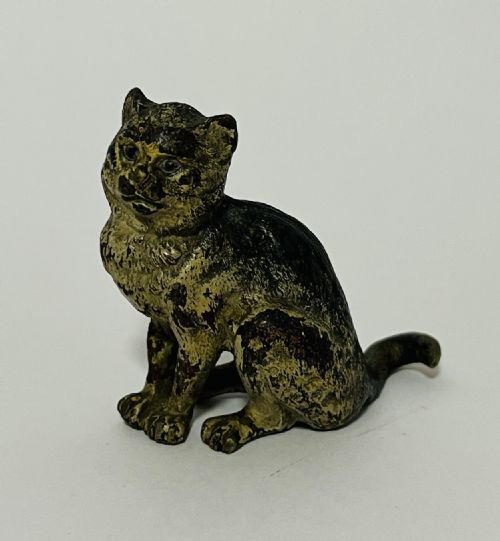
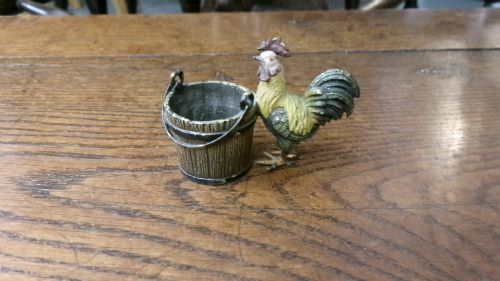


Miniature Bronze Animal Paperweight
Miniature bronze animal paperweights bring the natural world to the desk in compact, metal forms that catch the eye and steady the papers.
Miniature Bronze Animal Paperweight
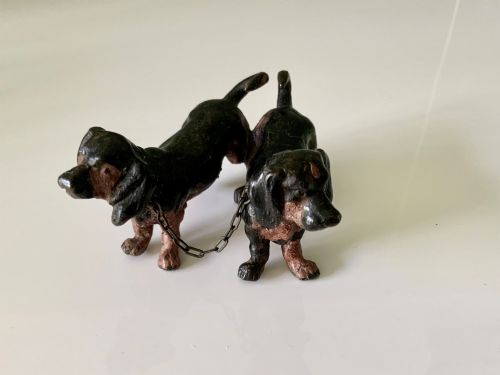
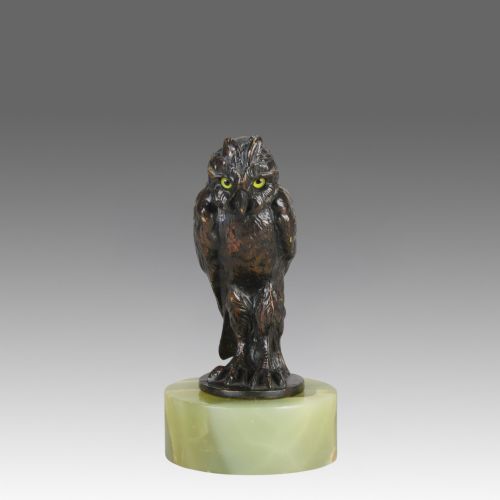
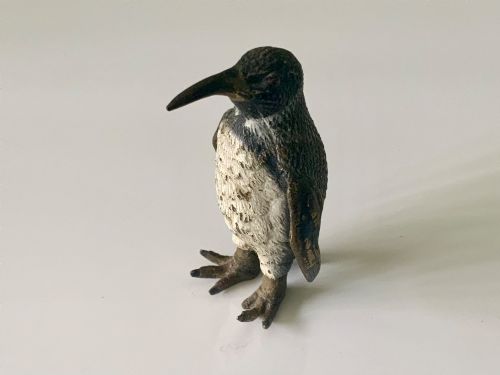
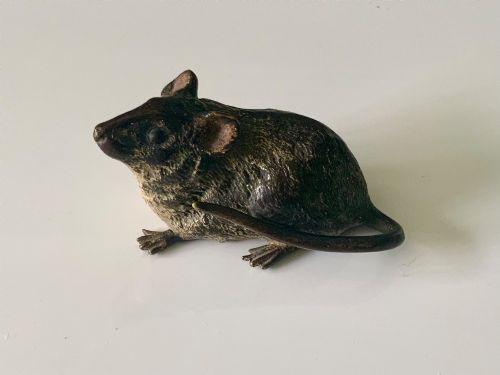
A miniature bronze animal paperweight is a small desk accessory or decorative object, shaped as a creature and cast in metal. When you search for a miniature bronze animal paperweight, you encounter small sculptures depicting dogs, birds, mice, cats, and frogs.
The pieces on this page stem from the Victorian and Edwardian eras, stretching from the mid-nineteenth century through the early twentieth century. Common forms include Vienna bronze figures and naturalist studies of animals, often designed to sit upon a desk.
You are most likely to meet cold painted examples from Austrian workshops, alongside patinated bronze studies. These small animal figures combine utility as paperweights with the charm of miniature sculpture.
Materials and methods
These figures are cast in bronze or general metal, utilising traditional foundry methods to capture fine details in a small scale. Many pieces receive a cold painted finish, where paint is applied to the cold metal surface rather than fired in a kiln.
Some examples feature patination to darken or enrich the metal, while others incorporate bases of onyx. Austrian production methods particularly favoured the cold painted technique, bringing lifelike colour to birds, frogs, and domestic animals.
A tiny frog clutching a bucket waits quietly among the desk accessories, proving that Victorian stationery management had a sense of humour.
Distinctions in quality
Quality in these small bronzes rests upon the crispness of the casting and the preservation of the surface finish. Superior pieces retain their original cold paint or patination with minimal loss, showing fine detail in the fur, feathers, or expression of the animal.
The skill of the modeller determines how lifelike the creature appears at such a small scale. Heavier metal and clear foundry marks, such as stamps indicating Austrian origin, add interest to an individual paperweight.
The Miniature Bronze Animal Paperweight Glossary
- Cold Painted
- A technique where paint is applied to a bronze object after casting, without subsequent firing. This method allows for subtle shading on small animal figures.
- Patinated
- Treated with chemicals or heat to alter the surface colour of the metal. This process protects the bronze and creates rich brown or dark tones.
- Vienna Bronze
- Small bronze sculptures produced in Vienna during the late nineteenth and early twentieth centuries. These pieces are renowned for naturalistic animal subjects and cold painted surfaces.
- Geschützt
- A German term often stamped on metalwork to indicate a registered design or protected patent. It frequently appears on Austrian bronzes of the period.
- Naturalist
- A style that depicts animals and nature with anatomical accuracy. These studies aim to capture the true posture and habits of the creature.
Miniature Bronze Animal Paperweight: Frequently Asked Questions
How do I care for cold painted bronze?
Cold painted bronze requires gentle care because the paint sits on the surface without kiln-firing. Keep these pieces away from direct sunlight and moisture to preserve the pigment.
Dust them lightly with a soft brush rather than using liquid cleaners or cloths that might catch on fine details.
Where were these bronzes made?
Many of these miniature bronzes originated in Austrian foundries, particularly in Vienna during the late nineteenth and early twentieth centuries. Vienna became a major centre for small, painted animal figures.
Other pieces reflect British production from the Victorian and Edwardian eras, utilising patinated bronze or metal.
How can I tell the period of a bronze figure?
Dating relies on the style of the sculpture, the nature of the finish, and any stamps or registration marks on the metal. Victorian and Edwardian pieces often display specific casting methods and naturalist details characteristic of those decades.
Examining the wear on the cold paint or patina also helps indicate the age of the object.