


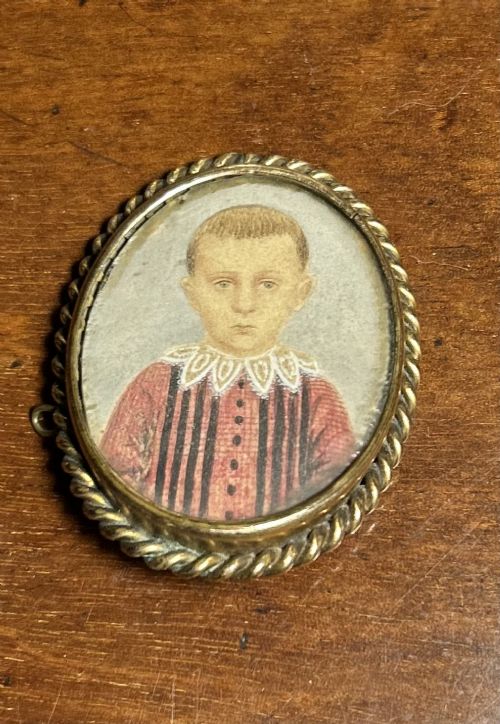


Miniature Art Pendant
A miniature art pendant condenses portraiture and portrait magic into a portable scale, framed in gold or silver to rest near the heart.
Miniature Art Pendant
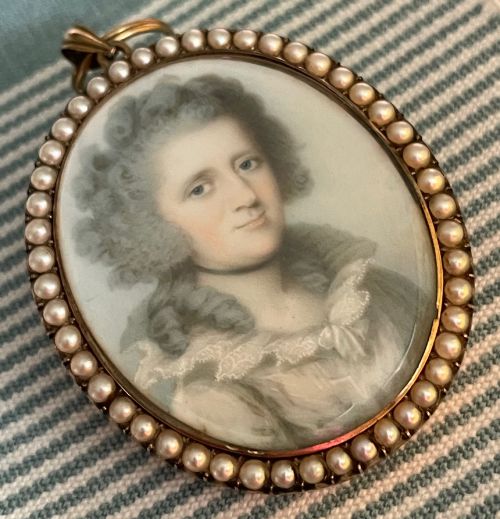
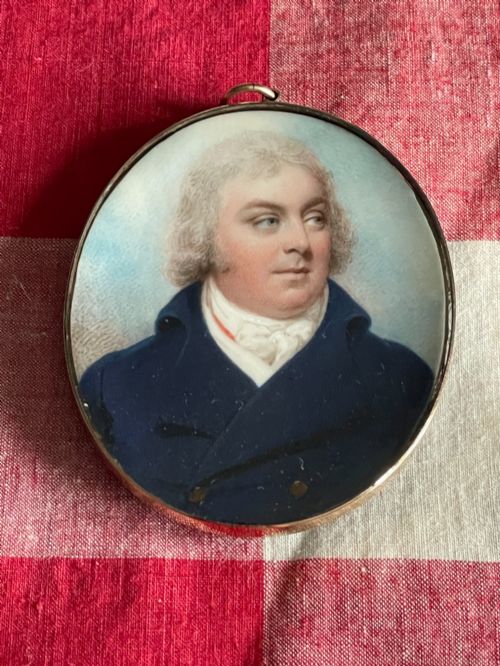
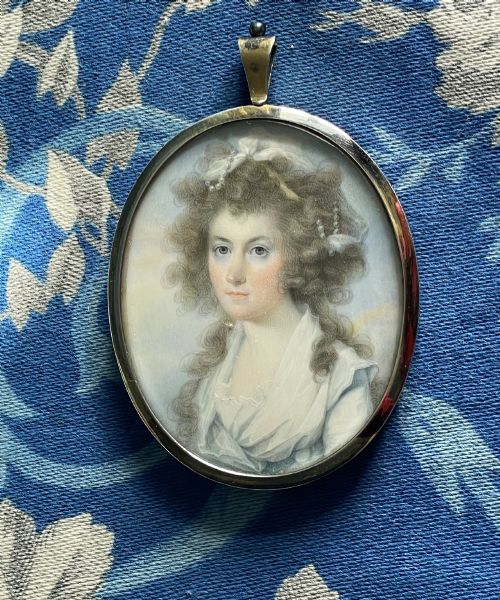
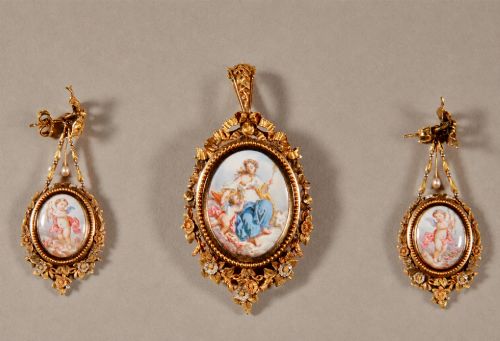
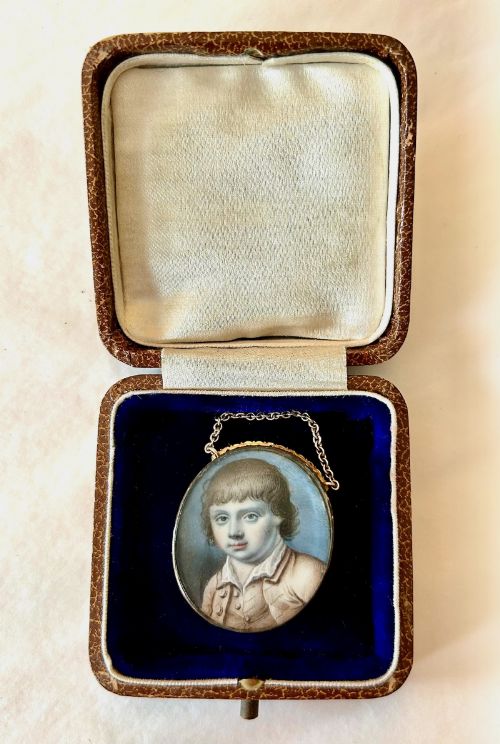
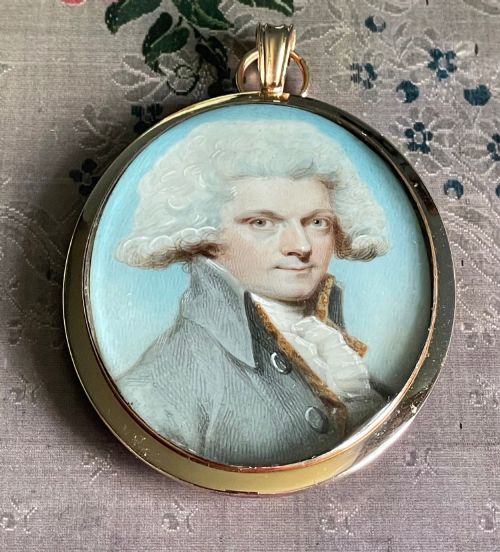
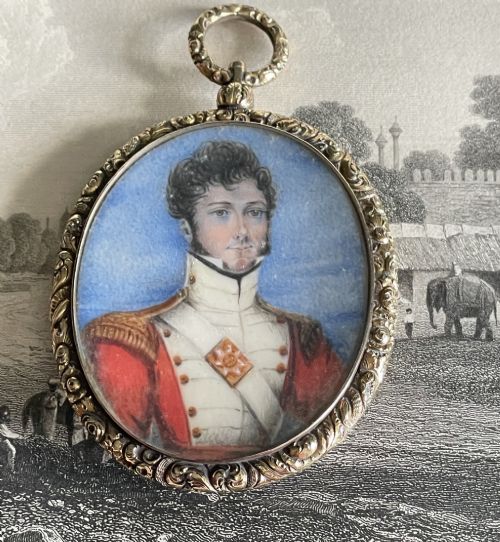
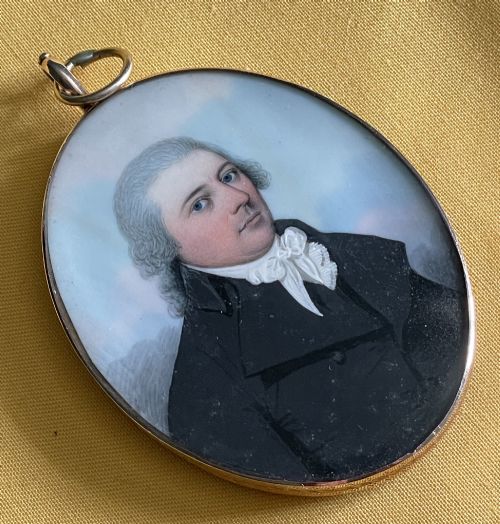
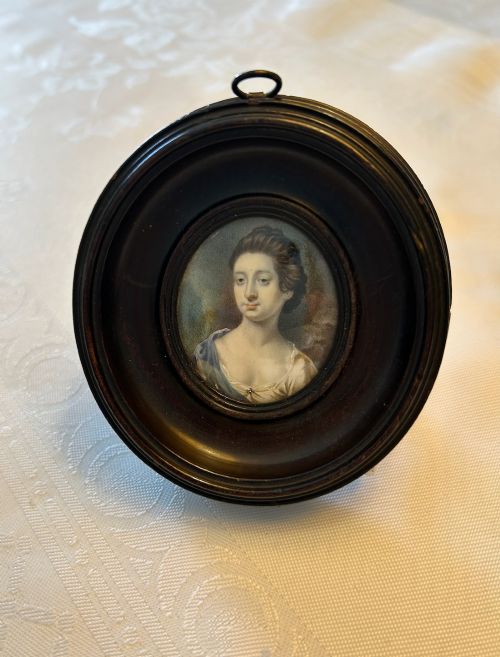
A miniature art pendant typically takes the form of a portrait miniature, capturing sitters from the eighteenth century, Georgian era, and nineteenth century in intimate detail. These pieces function as wearable paintings, merging portraiture with personal ornament.
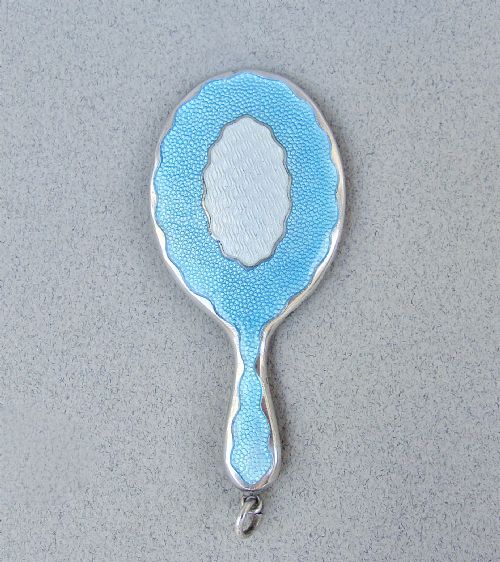
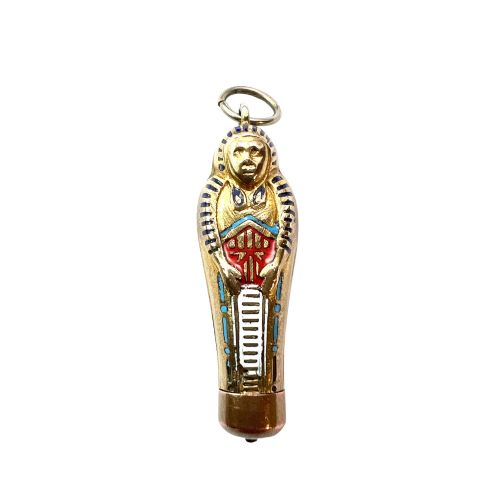
The selection here ranges from standard portrait miniatures mounted in brooches and pendants to novelty objects, including purse mirrors, propelling pencils, and devotional pieces. Portrait miniatures of gentlemen, ladies, naval officers, and family groups dominate the selection.
Makers and schools represented span British, American folk, and Anglo-Indian traditions. Dating stretches from mid eighteenth-century examples to Art Deco and Art Nouveau creations of the early twentieth century.
How they were made
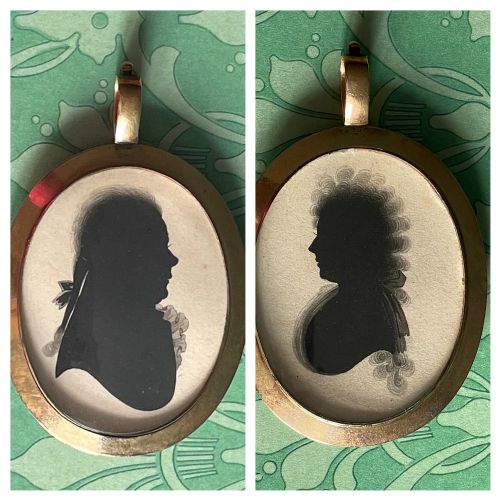
Artists painted these works using watercolour on ivory, vellum, or paper, whilst others utilised enamel on metal or silhouette painting on glass. Some portraits were executed on agate panels or mounted directly within devotional objects.
Surrounding metalwork involves gold, gilt metal, silver, and silver gilt, frequently paired with pearls, ebonised wood frames, or guilloché enamel. Construction methods unite miniature painting techniques with fine goldsmithing to secure the tiny works of art.
Miniature Art Pendant Retail Price Guide 2026
Typical asking prices for miniature art pendant among the pieces listed under this phrase on Sellingantiques today, from the lower quarter to the upper quarter. They describe what is for sale here now, not the wider market.
Listings feature portrait miniatures spanning the eighteenth century, Georgian era, Victorian period, and early twentieth-century Art Deco and Art Nouveau styles.
What varies in quality
The material integrity and execution of the surrounding frame or mount also define the tier of the object. Heavy gold frames, pearl settings, and complex guilloché enamel work elevate the status of the pendant above simpler gilt metal mounts.
Charles Shirreff·John C D Engleheart·Henry Williamson·Frederick Buck·Charles Hayter·Christian Friedrich Zincke·William Naish·Henry Bone·George Engleheart·James Ferguson·William Grimaldi·John Inigo Wright·Meyle And Mayer·Samuel Cotes·AE Chalon·John Barry
The Miniature Art Pendant Glossary
- Portrait miniature
- A small painting, typically executed on ivory, vellum, or card, designed for intimate personal viewing or wear.
- Guilloché enamel
- Enamel applied over a metal surface that has been machine-turned with an intricate geometric pattern, visible beneath the translucent colour.
- Vellum
- A fine parchment prepared from calfskin, utilised as a smooth painting surface for detailed miniatures.
- Silhouettist
- An artist specialising in cut paper or painted profiles, often rendered in solid black against a contrasting background.
- Devotional object
- A small item intended for religious meditation or prayer, frequently carried upon the person or worn as a pendant.
Miniature Art Pendant: Frequently Asked Questions
How were miniature art pendants worn?
These pieces were frequently worn suspended from chains around the neck as pendants or pinned directly to garments as combined brooch and pendant hybrids.
Their portable nature allowed sitters to keep likenesses of family members or naval officers close during long journeys.
What materials form the painted surfaces?
Artists utilised watercolour on ivory, vellum, and paper, alongside enamel techniques and silhouettes painted directly on glass.
Agate panels also served as a sturdy backing for specific military and naval portrait commissions.
Were these always portraits of individuals?
Whilst human portraiture forms the majority of the selection, devotional objects and novelty items such as sarcophagus pencils and purse mirrors also appear.
Even within portraiture, artists recorded named gentlemen, ladies, children, and entire family groups.