





Miniature Art on Ivory
Miniature art on ivory captures likenesses and scenes with astonishing intimacy, offering a tangible link to the late eighteenth and early nineteenth centuries.
Miniature Art on Ivory
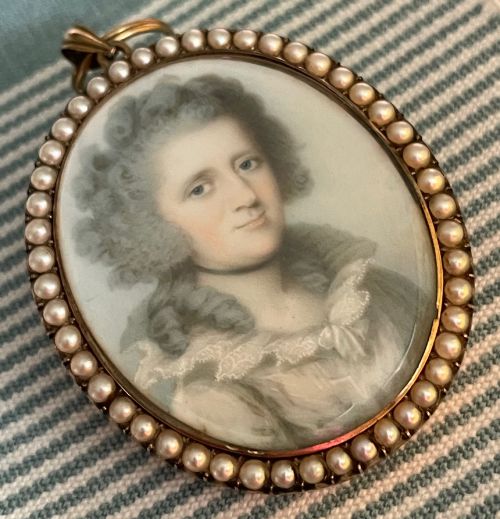
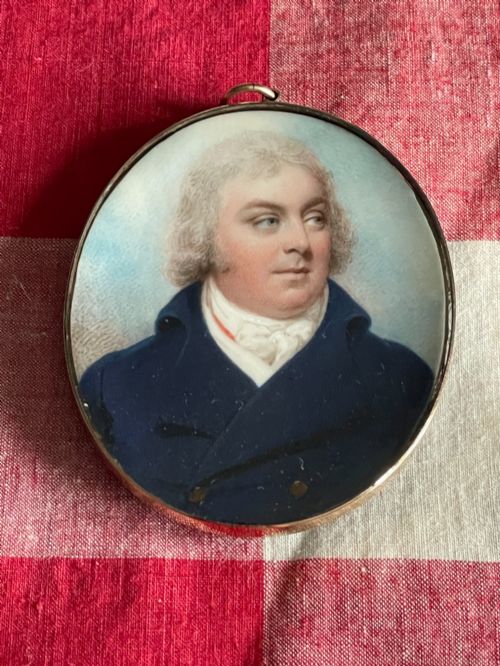
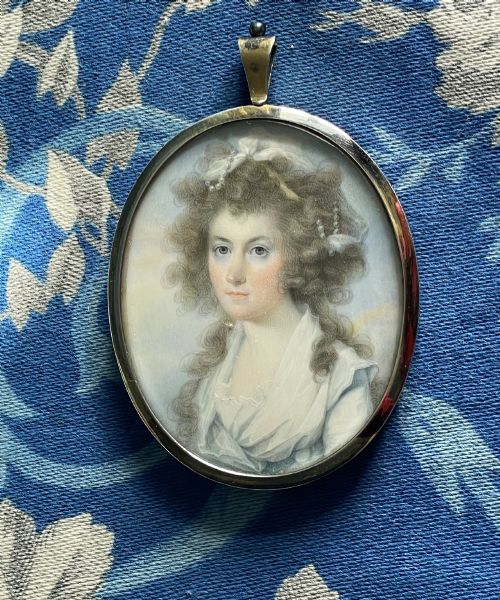
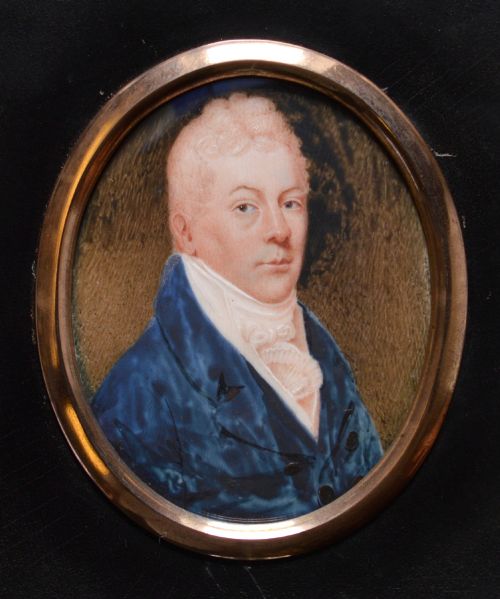
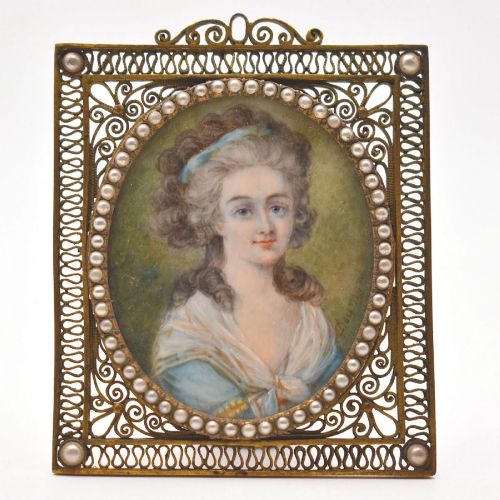
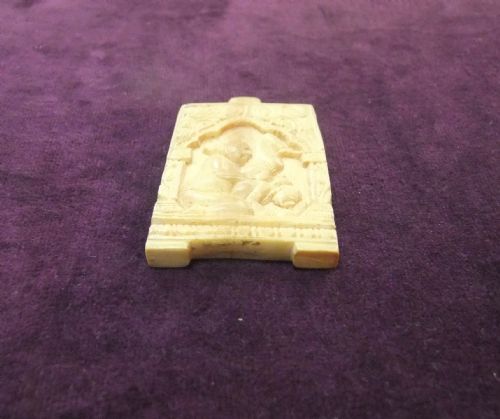
The versions you are most likely to meet on this page include watercolour paintings on thin slices of ivory, housed in frames of gold, brass, gilt metal, or ebonised wood. Alongside British and Irish portrait miniatures, the selection occasionally extends to French Rococo pieces and Indian traditional carved panels.
Most examples function as intimate keepsakes, designed to be held in the hand, worn as jewellery, or displayed in small domestic spaces. Their survival relies on stable indoor conditions, protecting both the organic ground and the pigment layers from moisture and light.
Distinctions in craftsmanship
The choice of housing also marks the difference between standard and superior examples. High-grade pieces feature heavy gold settings or detailed ebonised frames, sometimes incorporating seed pearls or elaborate brass work.
Miniature Art on Ivory Retail Price Guide 2026
Typical asking prices for miniature art on ivory among the pieces listed under this phrase on Sellingantiques today, from the lower quarter to the upper quarter. They describe what is for sale here now, not the wider market.
Listings feature works spanning the late eighteenth century into the Regency era, employing watercolour on ivory housed in gold, brass, and ebonised wood.
Charles Hayter·Frederick Buck·George Engleheart·Archibald Skirving·Henry Jacob Burch·Edward Pugh·Samuel Cotes·Jeremiah Steele
The Miniature Art on Ivory Glossary
- Ivory
- A hard, creamy-white material derived from animal tusk, used as a smooth painting surface for portrait miniatures. Its natural translucency allowed light to pass through watercolour layers.
- Watercolour
- A paint consisting of pigment suspended in a water-based solution, applied in layered washes and fine stippling on miniature paintings. It requires protection behind glass to prevent fading and moisture damage.
- Ebonised wood
- Timber treated to resemble ebony, frequently used for the dark, contrasting frames of Georgian and Regency portraits. This finish brought focus to the brightly coloured painting within.
- Gilt metal
- A base metal coated with a thin layer of gold or gold-coloured wash, utilised for decorative frames and mountings. It provided the appearance of solid precious metal at a lower cost.
Miniature Art on Ivory: Frequently Asked Questions
How were miniature portraits displayed?
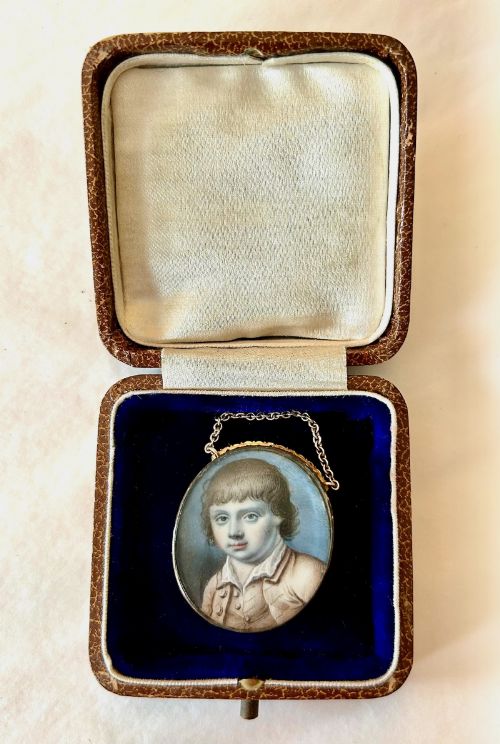
Owners typically kept these small works in velvet-lined cases, carried them in pockets, or wore them suspended from ribbons around the neck. Some were also mounted directly onto interior walls or placed on desks within small easel stands.
Over time, collectors transitioned to hanging them in tight clusters on drawing room walls, creating feature displays of family lineages and notable figures.
Can I tell the period from the frame?
Frames provide strong chronological clues, as Georgian and Regency styles shifted from simple oval ebonised wooden surrounds to more ornate gilt metal and gold settings. The inclusion of seed pearls often points towards late eighteenth-century French craftsmanship.
Interior linings, hair compartments on the reverse, and the method of bezel closure also help date the housing independently of the painting itself.
How do I care for ivory miniatures?
These delicate objects demand stable environments away from direct sunlight and high humidity, which can warp ivory and fade watercolour pigments. Keeping them behind original or replacement glass prevents dust and atmospheric grime from settling on the paint surface.
Avoid using liquid cleaners on any part of the frame or painting, as moisture easily penetrates the seals and damages the organic ground.
Why are so many subjects unidentified?
Many sitters lost their identities over the generations as family trees fractured and descendants failed to record names on the reverse of the frames. Miniatures were frequently commissioned to mark betrothal or departure, and when the direct connection faded, the names went with it.
Artists occasionally signed their work on the obverse or reverse, but sitters were rarely named unless the piece was intended for public exhibition or recorded in commission ledgers.