





Millinery Display Block
A millinery display block is a sculpted form used to shape or showcase headwear, prized for its sculptural silhouette and industrial utility.
Millinery Display Block
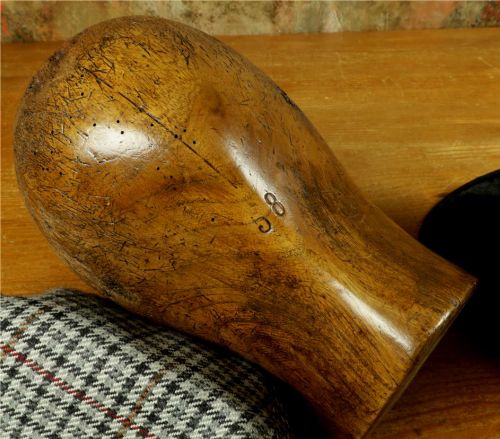
When you search for a millinery display block, you encounter sculptural objects designed for shaping, sizing, or exhibiting hats and wigs. These pieces originate from domestic and commercial workshops spanning the eighteenth, nineteenth, and early twentieth centuries.
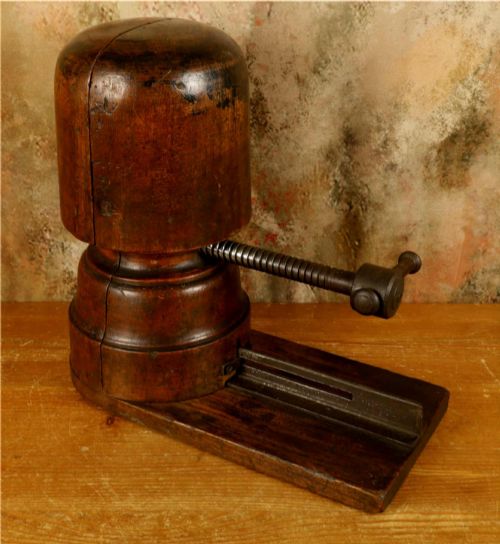
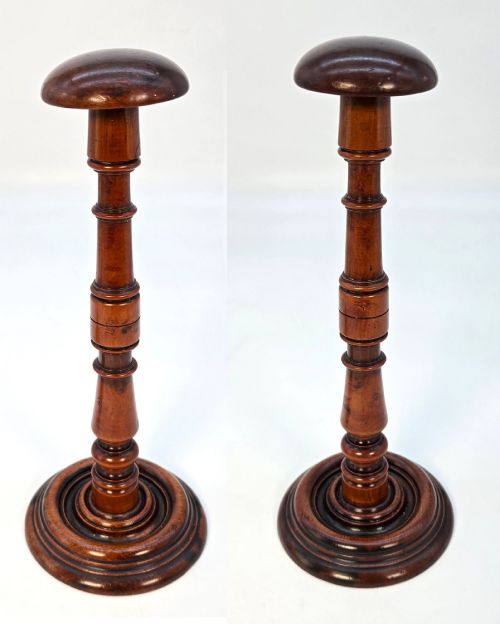
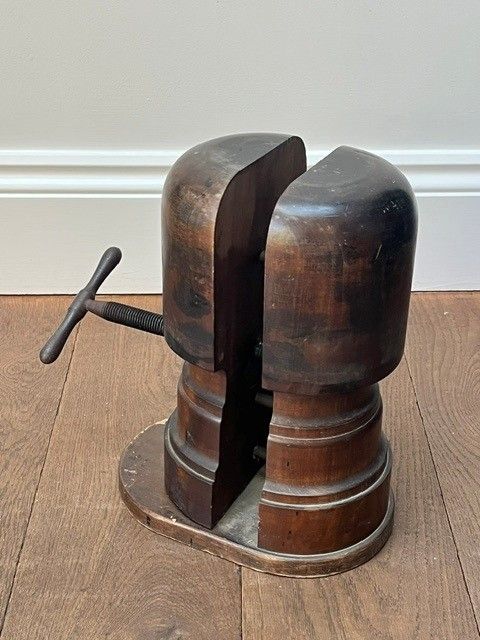
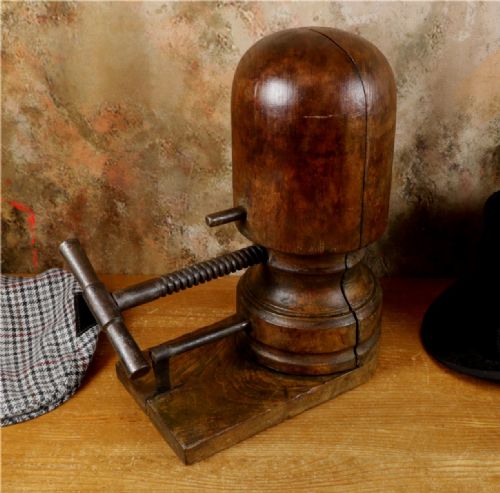
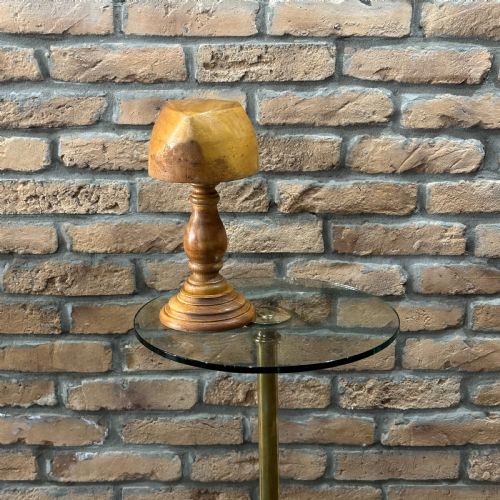
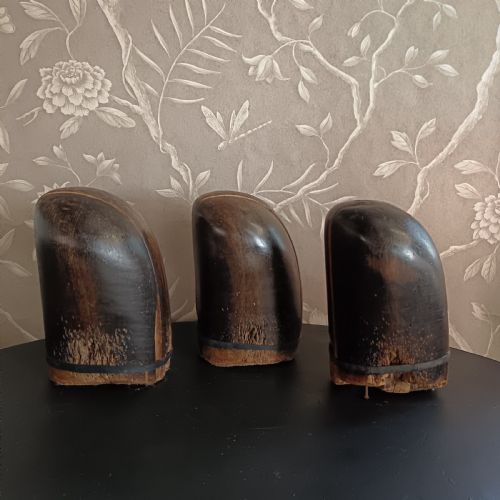
The selections available here range from carved wooden wig stands and hat forms to industrial aluminium moulds and mechanical hat stretchers. Wooden examples, including fruitwood, yew wood, beech, and mahogany, appear alongside robust cast iron and aluminium variants.
Domestic Victorian pieces and French provincial forms sit alongside utilitarian Georgian wig stands and military bearskin cap blocks. Each iteration reflects the specific millinery requirements of its period, from bespoke hatting to twentieth-century industrial production.
Materials and construction
Makers shaped these objects using traditional woodworking techniques, carving dense hardwoods like fruitwood, yew, beech, and walnut by hand. Folk art carvings and turned wooden wig stands demonstrate careful lathe work and manual shaping to achieve smooth cranial contours.
Later twentieth-century production introduced cast aluminium moulds, utilising metal casting to achieve precise repeating forms for industrial hat production. Iron mechanisms also feature in adjustable hat stretchers, combining turned wooden handles with functional metal hardware.
Millinery Display Block Retail Price Guide 2026
Typical asking prices for millinery display block among the pieces listed under this phrase on Sellingantiques today, from the lower quarter to the upper quarter. They describe what is for sale here now, not the wider market.
Military precision meets domestic craft in the specialised blocks shaped specifically for nineteenth-century bearskin caps.
Markers of distinction
Quality rests in the sculptural integrity of the carved form, the crispness of the turning, and the tactile character of the timber surface. Dense fruitwoods and figured yew wood exhibit richer grain patterns and deeper patination than standard utility woods.
The complexity of the object also defines the tier, separating standard production aluminium moulds from finely carved eighteenth-century wig stands or folk art millinery heads. Original surface wear, functional mechanical components on stretchers, and untouched patination elevate individual examples.
The Millinery Display Block Glossary
- Millinery mould
- A solid form used by hatters to shape felt, straw, or fabric during construction. These blocks dictated the final silhouette of the hat.
- Hat stretcher
- A mechanical device inserted into a hat to adjust or maintain its inner circumference. They typically combine turned wooden segments with internal metal expansion hardware.
- Wig stand
- A tall pedestal form designed to support and display wigs or headwear. Eighteenth-century examples often feature elaborate turning in dense timbers like mahogany or yew.
Millinery Display Block: Frequently Asked Questions
What is a millinery display block?
A millinery display block is a carved or moulded form used historically to shape, size, or exhibit hats. They range from solid wooden hat blocks to metal industrial moulds.
Today, these objects are collected and utilised as sculptural decorative pieces in domestic interiors, often displayed on shelves or tabletops.
How do I date a wooden hat block?
Dating relies on timber choice, tool marks, and overall form, with eighteenth-century pieces often showing hand-turned mahogany or yew construction. Nineteenth-century examples frequently utilise fruitwood or oak.
Twentieth-century iterations introduce alternative materials like aluminium and solid beech, shifting away from bespoke hand-carving toward industrial manufacturing methods.
Can I use these blocks for storing hats?
These blocks function well for supporting and displaying modern hats, caps, or wigs in a domestic setting. Their solid construction provides stable cranial support.
Care should be taken with antique timber and metal surfaces to ensure they remain clean and dry when in contact with modern fabrics.