







Milliner Form
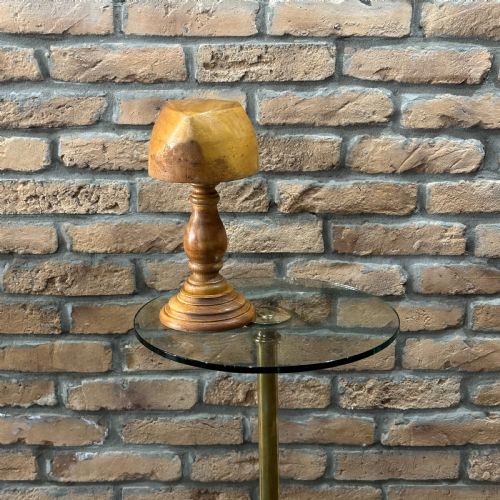
These milliner form pieces are utilitarian workshop tools from the nineteenth and early twentieth centuries designed for shaping hats.
Milliner Form
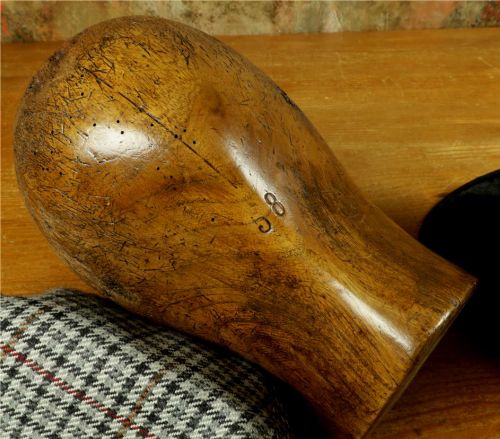
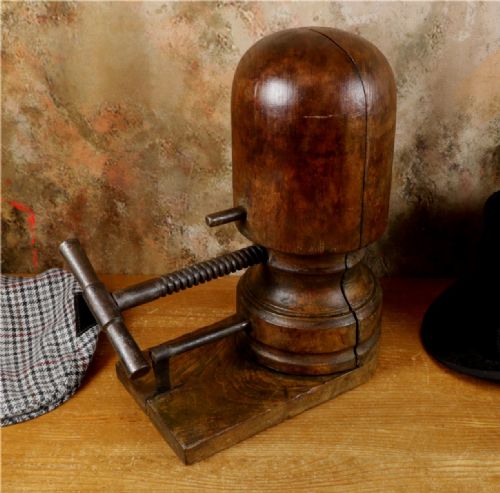
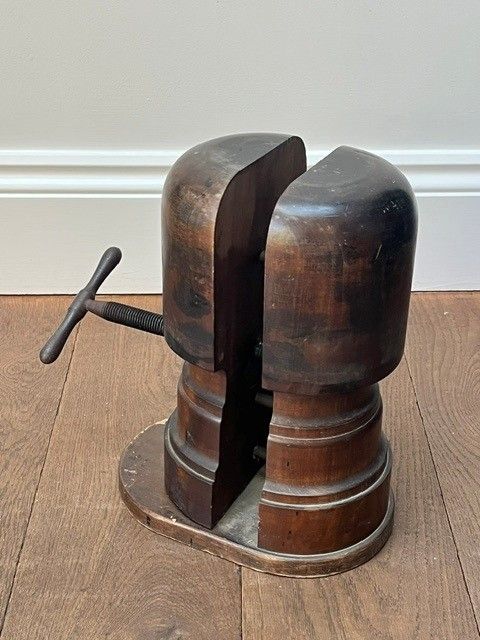
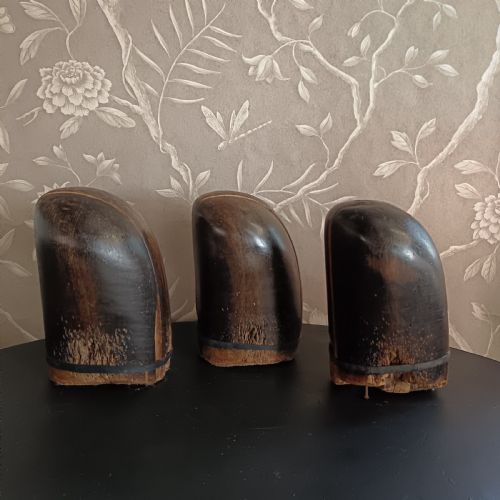
When you search for a milliner form, you are looking at practical workshop equipment originating from the nineteenth century up to the 1920s. These pieces include carved wooden hat blocks, millinery moulds, hat stretchers, and wig display stands.
How they were made
Traditional hat blocks and forms were hand-carved from solid hardwoods such as oak, walnut, beech, and fruit wood to withstand heavy workshop use. Metal examples utilise cast aluminium and iron, often finished with robust components.
Moulds and stretchers were shaped to exact functional requirements for shaping, sizing, and drying millinery items. The construction reflects industrial and traditional haberdashery methods where durability and precise contours mattered most.
Milliner Form Retail Price Guide 2026
Typical asking prices for milliner form among the pieces listed under this phrase on Sellingantiques today, from the lower quarter to the upper quarter. They describe what is for sale here now, not the wider market.
Listings feature materials spanning aluminium, wood, iron, hardwood, cast iron, oak, walnut, and cast aluminium across periods from the 19th century to the 1920s.
What varies in quality
Quality in a milliner form rests upon the material density, the complexity of the carving, and the integrity of the original workshop surface. Solid carved wooden blocks with distinct grain show greater craftsmanship than simpler utilitarian shapes.
Metal items vary according to the precision of the casting and the crispness of the mould edges. Pieces bearing specific functional adaptations, such as military bearskin cap blocks or adjustable stretchers, often demonstrate higher specialisation.
The Milliner Form Glossary
- Hat block
- A solid wooden or metal form used by milliners for shaping and creating hats. These items carry the physical indentations and markings of actual workshop use.
- Hat stretcher
- A mechanical tool utilised by hatters to expand and adjust the size of headwear. They feature wooden segments manipulated by central metal screws.
- Millinery mould
- A hollow form, frequently cast in aluminium, designed for pressing or shaping hat materials. They represent the industrial shift towards metal workshop equipment.
- Folk art style head
- A carved wooden representation of the human head used for millinery display. These feature individual hand-carved facial expressions and proportions.
Milliner Form: Frequently Asked Questions
What is a milliner form used for?
These pieces served as foundational tools for shaping, stretching, and drying hats in professional millinery workshops. Hatters formed felt and straw over the wooden or metal contours to achieve correct sizing.
Today, collectors use them as sculptural display objects, wig stands, or interior decorative pieces that reflect historic trades.
How do I date a hat block?
Dating relies on observing the materials, construction methods, and stylistic cues present in the piece. Nineteenth-century examples typically feature hand-carved hardwoods like fruit wood, oak, or walnut.
Twentieth-century pieces often incorporate industrial materials such as cast aluminium or iron, reflecting the manufacturing shifts of the 1920s.
Are wooden and metal forms different?
Wooden forms are generally hand-carved from hardwoods and display the organic grain and tool marks of traditional carpentry. They date from the nineteenth century and earlier decades.
Metal forms utilise cast aluminium or iron and belong to twentieth-century industrial production, offering geometric precision and modular shapes for mass hat production.
How should I display them?
Milliner forms suit simple display where their sculptural qualities and historic patinas remain visible. Placing them on shelves, tables, or mantelpieces highlights their original workshop character.
They require stable indoor environments away from excessive moisture to preserve the aged wood or metal surfaces safely.