

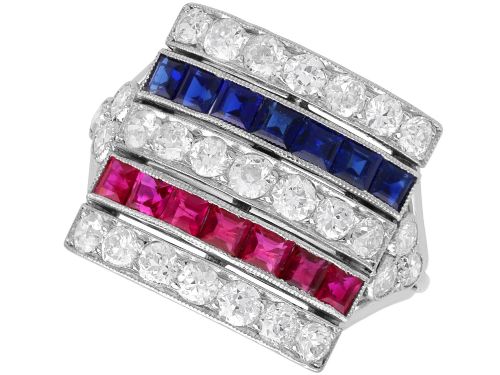


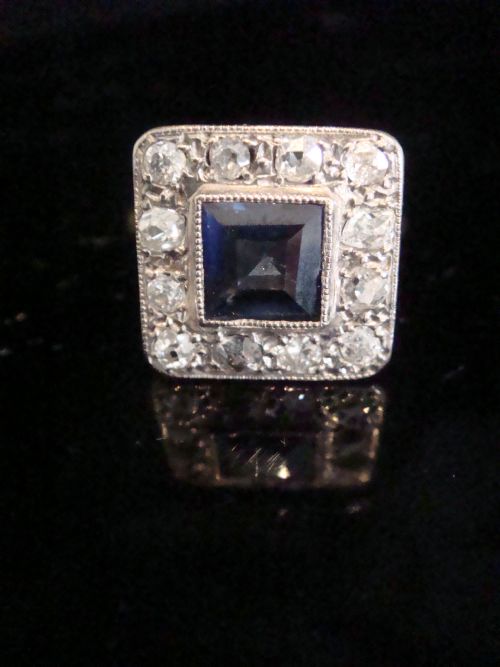


Millegrain Set Vintage Ring
These millegrain set vintage rings offer delicate beaded metalwork framing brilliant stones, bringing enduring geometric elegance straight to your hand.
Millegrain Set Vintage Ring
A millegrain set vintage ring showcases fine, bead-like edges along the metal settings that secure the gems. When you search for this phrase, you find refined examples spanning the Edwardian era through the nineteen-thirties and nineteen-sixties.
Most specimens on this page combine platinum with eighteen-carat gold or eighteen-carat white gold. These rings display distinct cluster, trilogy, and pave configurations that reflect classic early twentieth-century design philosophies.
Craftsmanship and materials
Goldsmiths constructed these pieces by combining durable platinum settings with eighteen-carat yellow or white gold shanks. This dual-metal approach provided the strength needed for intricate stone settings while maintaining a warm golden band.
The characteristic millegrain texture was applied using specialised rolling tools to raise tiny beads of metal along the edges of the bezel or claw settings. Old cut diamonds, synthetic sapphires, blue spinel, onyx, and rubies were then carefully secured within these detailed borders.
Millegrain Set Vintage Ring Retail Price Guide 2026
Typical asking prices for millegrain set vintage ring among the pieces listed under this phrase on Sellingantiques today, from the lower quarter to the upper quarter. They describe what is for sale here now, not the wider market.
Factors that distinguish quality
The crispness and uniformity of the tiny beaded metal border determine the finesse of the execution. Distinct, evenly spaced millegrain work requires exceptional hand skill and separates superior examples from softer, worn versions.
The integration of platinum and gold components indicates structural ambition and material hierarchy. Superior rings feature well-matched old cut diamonds and securely flush-set coloured stones that sit harmoniously within the geometric framework.
The Millegrain Set Vintage Ring Glossary
- Millegrain
- A decorative technique featuring a row of tiny raised metal beads along the edge of a setting. It softens the transition between metal and stone while adding texture.
- Old cut
- A diamond cutting style prevalent before the modern brilliant cut, characterised by a smaller table, higher crown, and open culet. These stones project a softer, warmer candlelit sparkle.
- Pavé
- A setting style where numerous small gems are placed close together with minimal visible metal, creating a continuous surface of stones. The tiny prongs are often enhanced with millegrain.
- Trilogy ring
- A ring featuring three main stones representing the past, present, and future. In these listings, they are frequently paired with platinum settings and gold shanks.
- Cluster ring
- A design arrangement where a central stone is surrounded by a border of smaller gems. This configuration maximises visual impact and optical brilliance.
Millegrain Set Vintage Ring: Frequently Asked Questions
What is a millegrain setting?
A millegrain setting incorporates a narrow, finely beaded border of metal pressed along the edges of a gemstone collet or mount. This decorative detail frames the stone with a delicate texture.
Master metalsmiths used specialised knurling tools to raise these tiny metallic beads by hand. The technique became a defining characteristic of fine jewellery produced during the Edwardian and Art Deco periods.
How do I care for these rings?
These delicate rings require gentle handling to preserve the fine metalwork and secure the stones. Regular professional checks ensure the tiny beads and settings remain tight and undamaged.
Clean them using a soft brush with warm soapy water rather than harsh ultrasonic machines. Store them individually in lined boxes to prevent abrasion against other pieces.
Are synthetic stones original?
Synthetic gemstones such as sapphires were commonly utilised in period jewellery alongside natural diamonds. Makers valued them for their vivid, consistent colour and flawless clarity.
Their presence in Edwardian and Art Deco pieces reflects contemporary manufacturing advancements rather than later replacements. These stones form an authentic part of the jewellery's history.
How do I distinguish Edwardian from Art Deco?
Edwardian pieces typically rely on platinum and yellow gold with flowing floral garlands, lace-like motifs, and organic curves. The aesthetic prioritizes lightness, grace, and delicate openwork structures.
Art Deco design shifts decisively toward bold geometric symmetry, stark contrasts, and streamlined architectural shapes. This later style frequently combines white metals with calibrated coloured gemstones like onyx and spinel.