





Middle Eastern Vessel
A middle eastern vessel brings centuries of craftsmanship into a room, offering striking metalwork and pottery from historic workshops across the region.
Middle Eastern Vessel
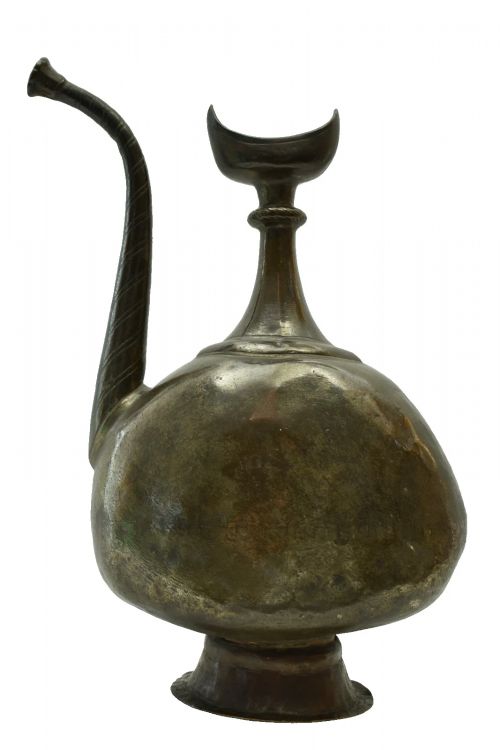
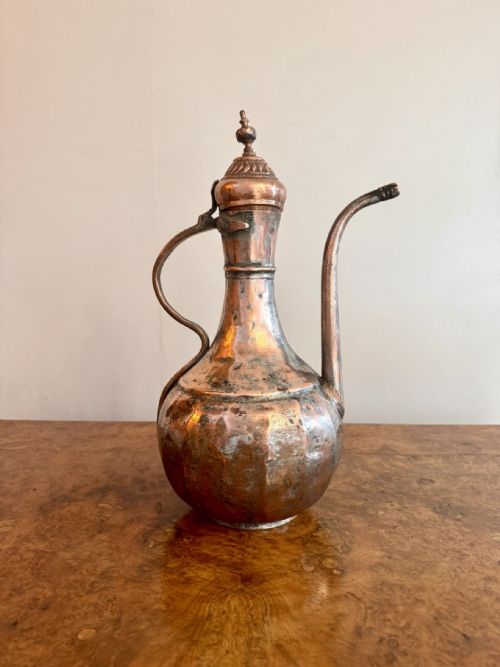
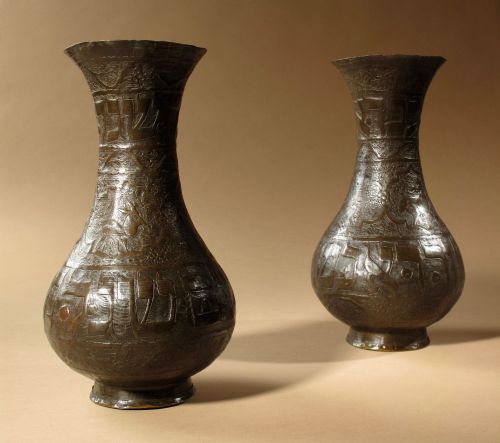
A middle eastern vessel encompasses a diverse group of objects created across centuries, ranging from practical daily items to decorative pieces. Buyers examining this selection encounter various forms including pitchers, ewers, basins, coffee pots, and bottle vases.
The objects originate from multiple traditions and periods, with nineteenth-century examples and earlier sixteenth-century works appearing frequently. These items represent distinct regional styles such as Ottoman, Qajar Persian, and Mamluk.
Common functional forms include ritual vessels, wash bowls, and mustard pots alongside purely decorative vessels. Each piece demonstrates the specific utilitarian or ceremonial purpose intended by its maker.
How they were made
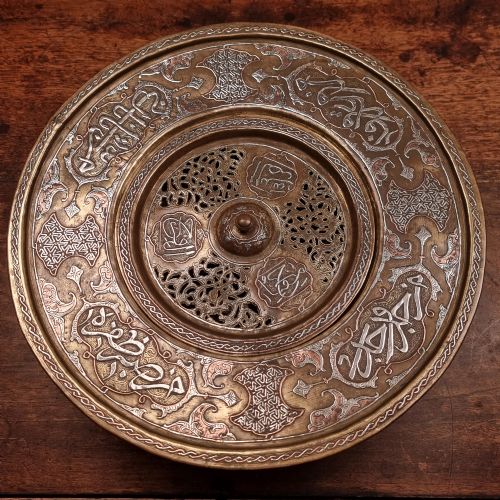
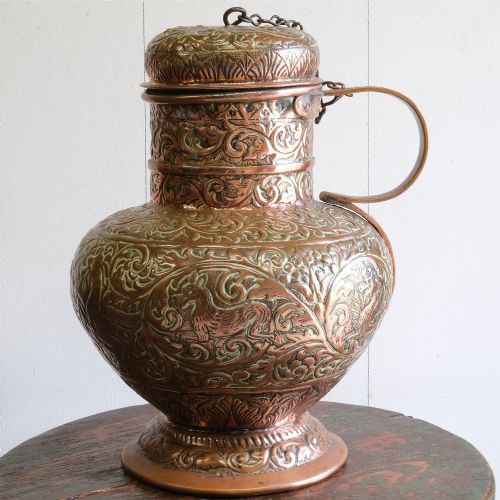
Metal vessels utilise copper, brass, bronze, and solid silver, shaped through techniques such as engraving, embossing, and silver inlay. Artisans often embellished brass surfaces with intricate geometric patterns or figurative portraits.
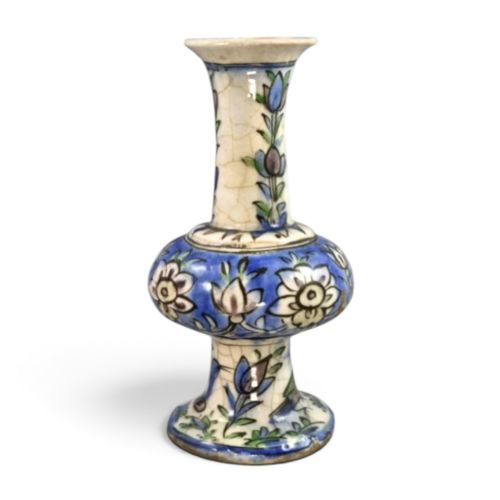
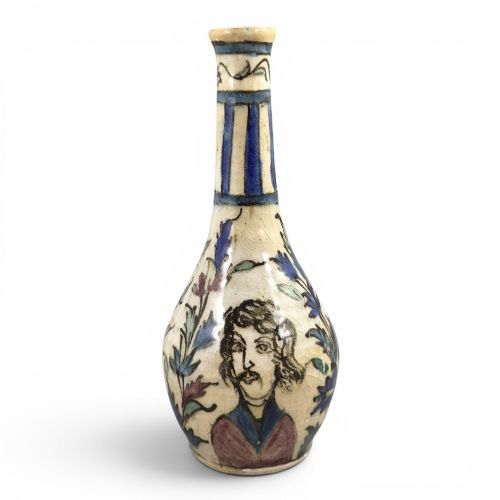
Ceramic examples employ earthenware, fritware, and glazed ceramic bases decorated with polychrome glazes. Potters shaped these materials into robust vessels before applying colourful surface treatments.
Middle Eastern Vessel Retail Price Guide 2026
Typical asking prices for middle eastern vessel among the pieces listed under this phrase on Sellingantiques today, from the lower quarter to the upper quarter. They describe what is for sale here now, not the wider market.
One piece records history on a repurposed artillery shell decorated during the First World War.
What varies in quality
The fineness of the engraving and metal inlay distinguishes standard production from exceptional examples. Deeper, more intricate hand-carved decoration on brass and copper indicates a higher level of artisan skill.
In ceramics, the complexity of the polychrome glaze and the clarity of portrait or floral decoration separate ordinary earthenware from finer painted pieces. The preservation of original surface finishes and patination also influences the character of each vessel.
The Middle Eastern Vessel Glossary
- Cairoware
- A style of nineteenth-century metalwork originating in Egypt, typically comprising brass inlaid with silver and copper to create dense decorative patterns. These pieces often feature traditional Islamic calligraphy and geometric motifs.
- Fritware
- A type of pottery developed in the Near East using a quartz-based paste rather than clay, allowing for finer vessels and intricate glazes. This material provided a brilliant white body that held polychrome painting exceptionally well.
- Ewer
- A large pitcher with a flared spout and handle, traditionally used for pouring water during ritual washing or hand-rinsing before meals. Many historical examples feature hinged lids and crescent moon finials.
- Mamluk
- Pertaining to the sultanate that ruled Egypt and Syria, known for magnificent engraved brass basins and vessels inlaid with precious metals. Revival pieces from later periods often emulate this distinctive medieval aesthetic.
- Qajar
- Relating to the Iranian dynasty that ruled during the nineteenth century, celebrated for pottery decorated with vivid human portraits and floral scenes. Vessels from this period often display a characteristic palette of polychrome glazes.
Middle Eastern Vessel: Frequently Asked Questions
How do I clean an antique brass vessel?
Metal vessels require minimal intervention to preserve their historic patination and surface integrity. Gentle dusting with a soft cloth is usually sufficient for regular maintenance.
Harsh chemical polishes should be avoided because they strip away the aged finish and can damage delicate silver inlay or engraved details.
What is an ab-zan vessel?
An ab-zan is a traditional ritual vessel associated with Persian metalworking traditions, specifically from the Kerman and Yazd regions. These bronze objects served specific cultural or religious functions.
Their engraved surfaces often carry distinct inscriptions and traditional motifs that reflect the regional craft practices of their period.
How can I tell Ottoman metalwork apart?
Ottoman metalwork frequently incorporates distinctive architectural motifs, calligraphic inscriptions, and specific finials such as crescent moons. The weight and choice of metals, particularly brass and copper, help define the regional origin.
Comparing the depth of the engraving and the construction of handles and spouts assists in distinguishing Ottoman production from Persian or Mamluk pieces.
Where were these ceramic vases made?
Ceramic vases in this selection originate primarily from Qajar-era workshops in Iran during the nineteenth century. These pieces utilise fritware or earthenware bodies finished with painted glazes.
The inclusion of portrait decoration and specific colour palettes points directly to Persian ceramic traditions of that era.