




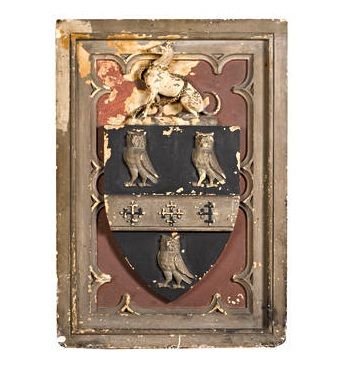
Mid Victorian Plaque
These mid victorian plaque items bring mid nineteenth century craftsmanship into your home, offering decorative panels, micromosaics, and carved wooden figures to elevate any interior space.
Mid Victorian Plaque
When you search for mid victorian plaque, you look at decorative objects spanning the nineteenth century, including specific Italian micromosaic plaques and painted armorial panels. The listings here present items predominantly from the mid nineteenth century, capturing the detailed aesthetic of the Victorian era.
The objects take diverse forms beyond flat panels, stretching into sculptural wall art and architectural elements created during the eighteen fifties and sixties. Buyers encounter works influenced by the Grand Tour and Gothic Revival movements, reflecting the eclectic tastes of the period.
Originating from continental Europe and Britain, these pieces combine materials like porcelain, earthenware, and carved fruitwood into cohesive decorative statements. Each item demonstrates the varied domestic and display functions valued during the Victorian age.
How they were made
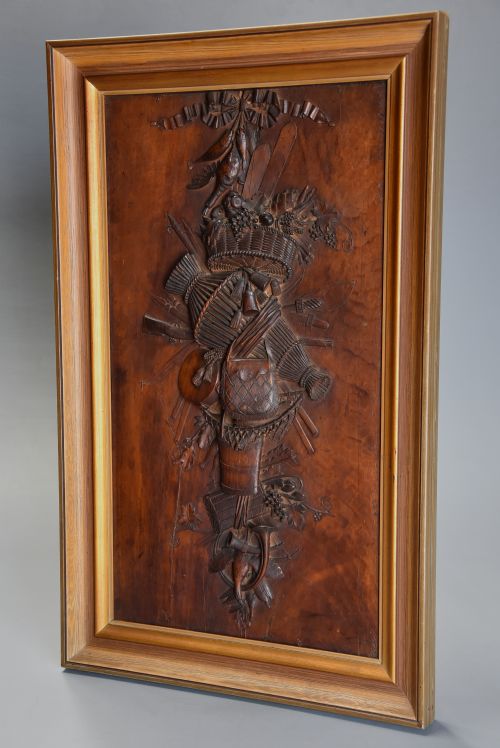
Makers utilised skilled hand carving on fruitwood and other timbers to produce high relief trophies and sculptural figure groups. These wooden items rely on precise chisel work to achieve depth and texture without mechanical assistance.
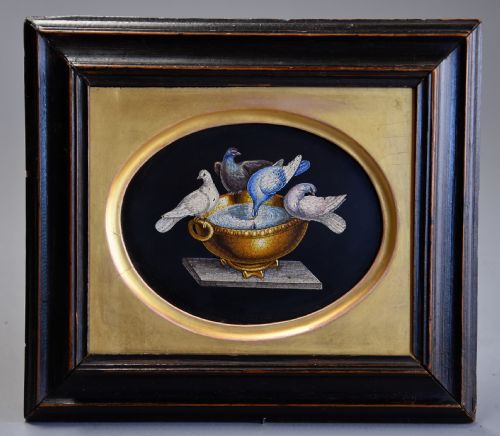
Micromosaic plaques employ tiny coloured glass tesserae assembled meticulously within ebonised frames to form pictorial scenes such as the Doves of Pliny. Painted plaster panels involve the application of pigments to moulded substrates to simulate heraldic and armorial displays.
Mid Victorian Plaque Retail Price Guide 2026
Typical asking prices for mid victorian plaque among the pieces listed under this phrase on Sellingantiques today, from the lower quarter to the upper quarter. They describe what is for sale here now, not the wider market.
The aesthetic influences recorded across these pieces span Victorian, Napoleon III, Grand Tour, Highland Hunting Lodge, and Gothic Revival styles.
What varies in quality
The fineness of execution separates exhibition quality items from standard domestic pieces, particularly in the density and precision of micromosaic glass tesserae. Superior carved fruitwood displays deeper undercuts and sharper anatomical detail in figure groups.
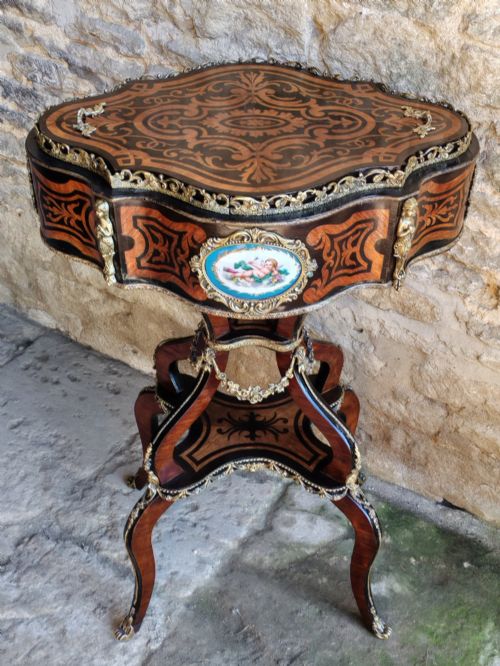
Materials dictate the upper tier of the range, where exotic woods like kingwood and rosewood combine with ormolu mounts to enhance the object's presence. Lesser examples rely on simpler painted plaster or basic earthenware without secondary enrichment.
The Mid Victorian Plaque Glossary
- Micromosaic
- A decorative technique using microscopic glass tesserae to create detailed miniature pictures, frequently depicting classical subjects or famous antiquities.
- Fruitwood
- Dense, fine grained timber obtained from fruit trees, chosen by carvers for its ability to hold intricate detail.
- Armorial panel
- A flat decorative piece displaying a coat of arms or heraldic insignia, executed in painted plaster or carved wood.
- Grand Tour
- The traditional journey of Europe undertaken by upper class Europeans to accumulate art and cultural artefacts.
- Tessera
- An individual small block of stone, glass, or ceramic used in the creation of a mosaic.
Mid Victorian Plaque: Frequently Asked Questions
What is a micromosaic plaque?
A micromosaic plaque is a miniature picture formed from thousands of tiny coloured glass pieces fused together. These detailed works often depict classical motifs or famous ancient Italian scenes.
Craftsmen mounted these intricate glass panels into protective frames, frequently ebonised wood, for display on walls or desks during the nineteenth century.
How do I date a mid victorian plaque?
Dating relies on stylistic clues, framing techniques, and material composition typical of the mid nineteenth century. Examining the construction methods of the backing wood or plaster helps narrow the period.
Comparative analysis with documented exhibition pieces from the eighteen fifties and sixties provides further chronological context for unsigned works.
Where were these plaques displayed?
Owners typically displayed these decorative panels in principal reception rooms, studies, or specialised galleries within nineteenth century homes. Their portable nature allowed them to be hung on walls or placed on specialised furniture.
Travellers returning from continental Europe often brought back micromosaics and carved panels as souvenirs of their cultural education.
What materials are used in these pieces?
Materials range from delicate glass tesserae and glazed earthenware to robust carved fruitwood and plaster. Higher tier examples incorporate fine woods and gilt bronze mounts to complement the central plaque.
Each material choice reflects the specific manufacturing traditions of British and continental workshops operating during the Victorian era.