





Mid Century Walnut Dresser
These mid century walnut dresser examples combine mid-eighteenth-century craftsmanship with rich timbers for functional storage.
Mid Century Walnut Dresser
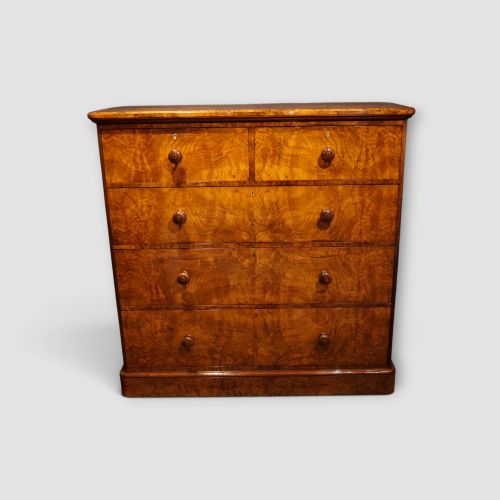
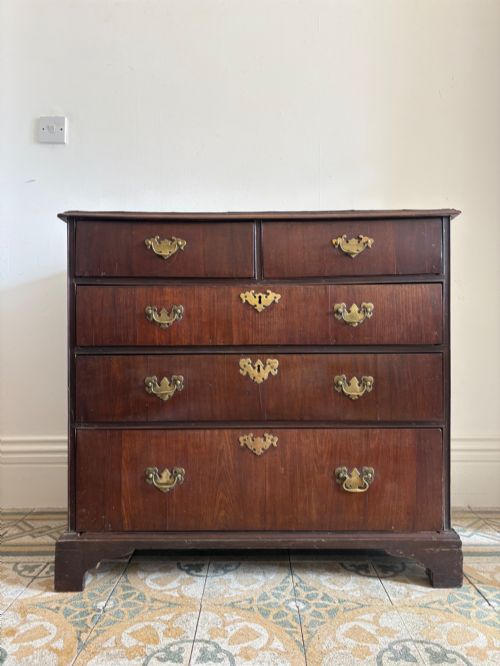
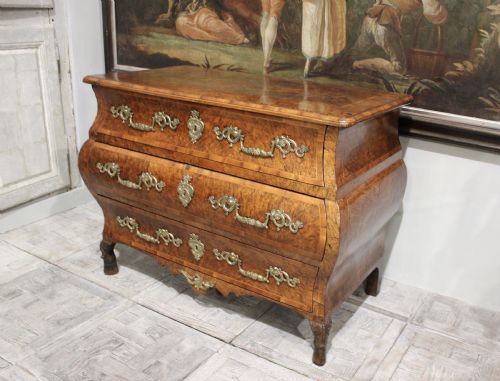
A mid century walnut dresser search reveals pieces spanning the eighteenth and nineteenth centuries, including Georgian and continental European examples. The most frequent forms encountered on this page are chests of drawers, commodes, and dresser bases.
Makers utilised various timber types such as burr walnut, red walnut, and Virginian walnut, often shaped with serpentine outlines. These items served as practical storage furniture in domestic interiors across different regions.
Materials and construction
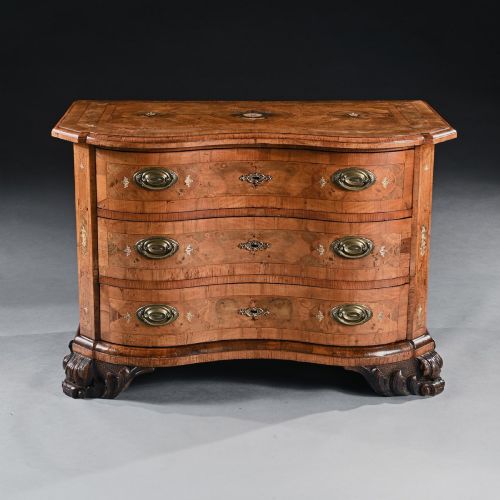
Construction relies heavily on walnut timber, occasionally enhanced with olive wood, fruit-wood, oak, pine, and pewter or ivory marquetry details. Cabinetmakers shaped these materials into serpentine commodes and chests of drawers.
Metal hardware such as brass handles complements the wood grain and marquetry work. Regional variations span German baroque, Italian rococo, and 19th-century Scandinavian designs.
Mid Century Walnut Dresser Retail Price Guide 2026
Typical asking prices for mid century walnut dresser among the pieces listed under this phrase on Sellingantiques today, from the lower quarter to the upper quarter. They describe what is for sale here now, not the wider market.
Some mid-eighteenth-century commodes feature secret compartments alongside elaborate pewter and ivory marquetry details.
Distinguishing quality
Quality differences rest upon the selection of timber veneers, such as burr walnut or red walnut, and the precision of marquetry detailing. Finer pieces demonstrate sophisticated serpentine forms and integrated brass hardware.
Regional stylistic execution distinguishes standard regional items from high-style German baroque, French commodes, or George II period pieces.
The Mid Century Walnut Dresser Glossary
- Commode
- A low chest of drawers or cabinet originating in France during the eighteenth century. These pieces often feature serpentine outlines and decorative marquetry.
- Serpentine
- A curved furniture front characterised by a convex centre flanked by concave ends. This contour appears frequently on eighteenth-century commodes.
- Marquetry
- The art of applying pieces of veneer to a structure to form decorative patterns. Examples include pewter and ivory inlay.
- Burr Walnut
- Timber taken from a walnut tree growth, producing intricate swirling grain patterns. Cabinetmakers utilised this figure for decorative effect on drawer fronts.
Mid Century Walnut Dresser: Frequently Asked Questions
What is a mid century walnut dresser?
These pieces comprise eighteenth and nineteenth-century chests of drawers, commodes, and dresser bases made from walnut.
They reflect regional styles including Georgian, German baroque, and Italian rococo.
How were they used historically?
They functioned primarily as domestic storage for clothing and household items in period interiors.
Their decorative surfaces also provided display space for objects.
How do I identify periods?
Dating relies on stylistic markers such as serpentine outlines, brass handle designs, and marquetry techniques.
Materials like burr walnut and red walnut point toward specific eighteenth-century workshops.
How do I care for walnut furniture?
Keep pieces away from direct sunlight and fluctuating humidity to protect the timber and veneer.
Dust with a dry cloth and avoid harsh chemical polishes.