





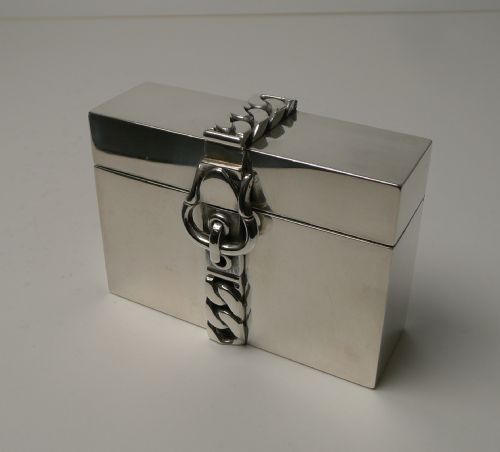

Mid Century Silver Case
A mid century silver case encompasses protective housings and fitted sets crafted from precious metals during a distinct period of design.
Mid Century Silver Case
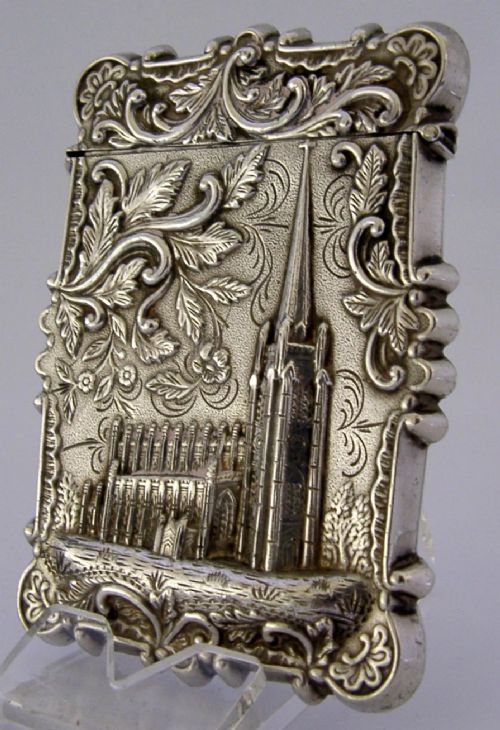
When searching for a mid century silver case, buyers encounter objects ranging from small decorative boxes and card cases to cased sets of cutlery and smoking compendiums. These items originate predominantly from the 1950s and 1960s, reflecting the streamlined aesthetic of mid-century modern design alongside occasional Victorian antecedents.
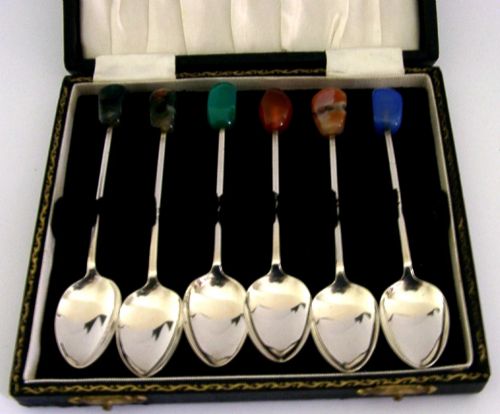
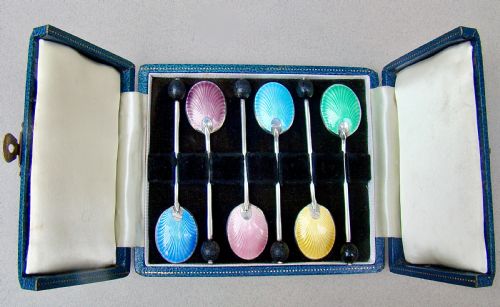
The selection includes specialised containers like sterling silver playing card boxes and enamel poker game boxes, often lined or paired with complementary materials. Cased items from this era frequently group matching utensils, such as cocktail sticks or coffee spoons, housed in fitted protective packaging.
While many examples date to the mid-twentieth century, earlier mid-nineteenth-century items also appear, demonstrating a continuity in fitted silver containers and protective travel pieces. Buyers most frequently meet mid-century iterations featuring clean lines, enamel accents, or minimalist geometric forms.
How they were made
Craftsmen utilised sterling silver and standard silver grades, frequently combining them with glass, leather, acrylic, and stainless steel to form structural housings and internal compartments. Enamel work and black lacquer appeared on decorative boxes, providing rich surface contrast against polished metal.
Techniques varied from traditional silversmithing and hand-engraving to modernist plating methods involving rhodium on brass or similar cores. Fitted cases relied on precise interior joinery, utilising velvet, silk, or leather linings to cradle delicate contents securely.
Mid Century Silver Case Retail Price Guide 2026
Typical asking prices for mid century silver case among the pieces listed under this phrase on Sellingantiques today, from the lower quarter to the upper quarter. They describe what is for sale here now, not the wider market.
Listings feature sterling silver, chrome, glass, and acrylic across items dated from the Victorian era through the nineteen-sixties.
What varies in quality
The distinction between standard and exceptional pieces rests upon the precision of the metalwork, the integrity of any applied enamel, and the quality of the internal housing. Superior examples exhibit crisp hallmarks, flawless lacquer or enamel surfaces, and robust hinges that align perfectly when closed.
Furthermore, the presence of original fitted boxes and associated paperwork elevates an item, as does the reputation of the specific silversmith or manufacturer responsible for the execution. Simpler mass-produced containers contrast with bespoke modernist works that showcase advanced alloy manipulation and custom joinery.
Henry Clifford Davis·Carrington and Co·Mappin and Webb·Adie Brothers
The Mid Century Silver Case Glossary
- Sterling silver
- An alloy consisting of 92.5 percent silver and 7.5 percent other metals, usually copper, chosen for durability in decorative boxes and cutlery. This standard composition is verified by official assay office hallmarks stamped directly into the metal.
- Guilloche enamel
- A decorative technique where a precise geometric pattern is mechanically engraved beneath a translucent layer of coloured enamel. This method creates a shimmering depth frequently utilised on mid-century smoking accessories and spoons.
- Hallmark
- A series of official marks stamped on precious metal items indicating the maker, purity, assay office, and year of production. These stamps provide a reliable method for dating silver cases and cased sets.
- Campaign
- A style of portable furniture and utilitarian objects designed for travel, typically featuring recessed brass handles and reinforced corners. Pieces of this nature prioritize durability and compact storage.
Mid Century Silver Case: Frequently Asked Questions
What items came in a mid century silver case?
Such enclosures protected diverse luxury goods, including card decks, cigarettes, cocktail accessories, and specialised cutlery. Manufacturers designed fitted interiors tailored explicitly to hold each component firmly in place during transport or display.
These housings ranged from pocket-sized card holders to substantial table boxes and boxed flatware sets intended for formal dining. The contents reflected the social habits and domestic rituals of the mid-twentieth century.
How do I date a silver case?
Dating relies primarily on the assay office hallmarks stamped into the metal, which include specific letters corresponding to the year of manufacture. Stylistic indicators, such as modernist geometric motifs or specific fastener designs, also help narrow the production era.
Comparing the construction methods against known periods like the 1950s or 1960s provides additional context. Original fitted boxes and accompanying documentation often preserve the exact timeline of the piece.
How should I clean a silver case?
Maintenance requires gentle polishing with a soft cloth specifically formulated for silver to avoid abrading delicate engravings or applied enamel. Harsh chemical dips should be avoided, particularly on items featuring lacquer, glass, or fabric linings.
Storing the container in a dry environment minimises future tarnishing and protects vulnerable internal materials from humidity. Regular dusting preserves the polished finish of both exterior housings and internal fittings.
Are these cases suitable for daily use?
Many solid metal enclosures remain robust enough for regular handling, provided the hinges and clasps function securely. However, fragile decorative elements like glass panels, enamel work, or aged leather linings suggest careful, intermittent use rather than heavy daily carriage.
Selecting a sturdy sterling silver or stainless steel variant ensures better longevity for practical tasks like carrying cards or small personal items. Assessing the structural integrity of the latch helps determine whether a piece can safely serve a functional role.