



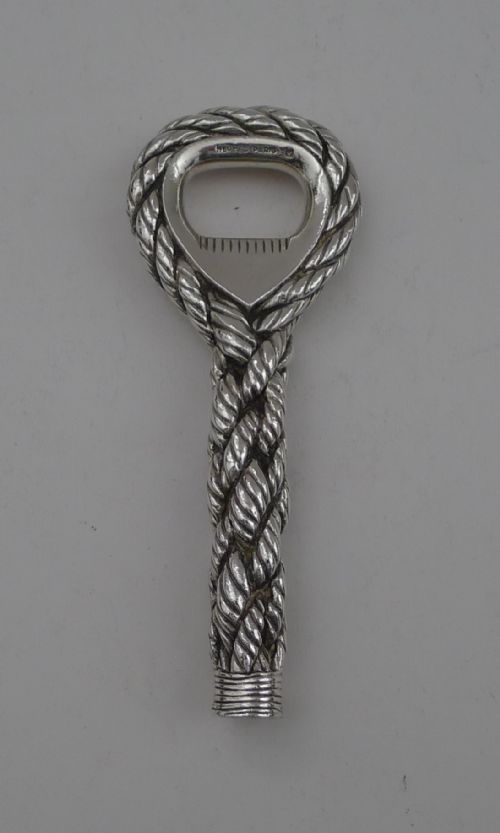

Mid Century Silver Accessory
A mid century silver accessory brings practical elegance to a desk or bar, offering functional design shaped in sterling silver, plate, and glass.
Mid Century Silver Accessory
A mid century silver accessory encompasses items created for the bar, desk, vanity, and smoking room during the middle decades of the twentieth century. These objects bridge utility and decoration, reflecting the streamlined aesthetics of the period.
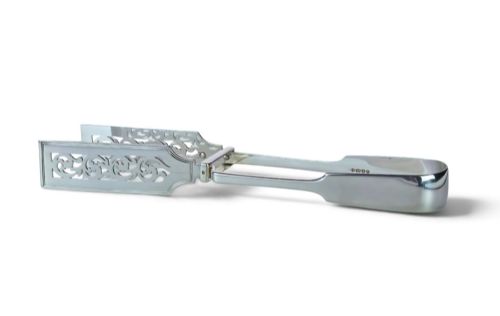
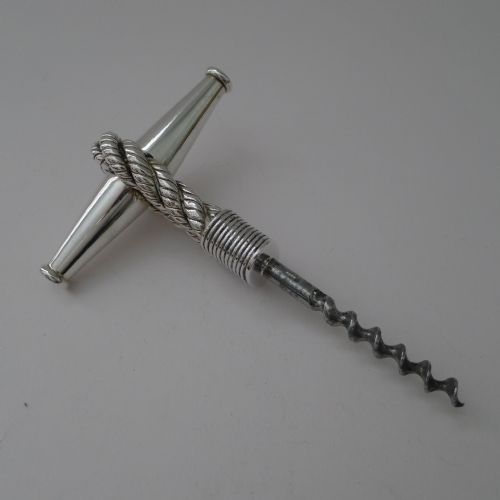
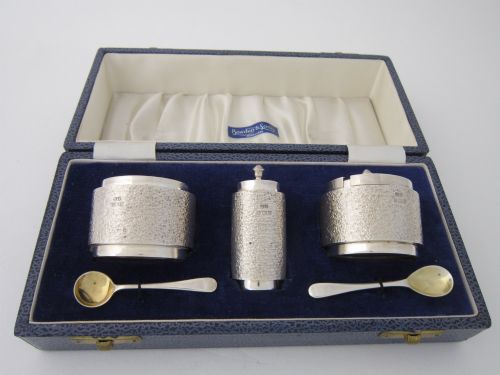
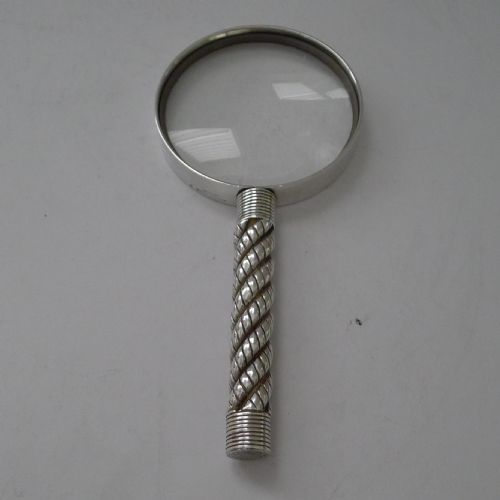
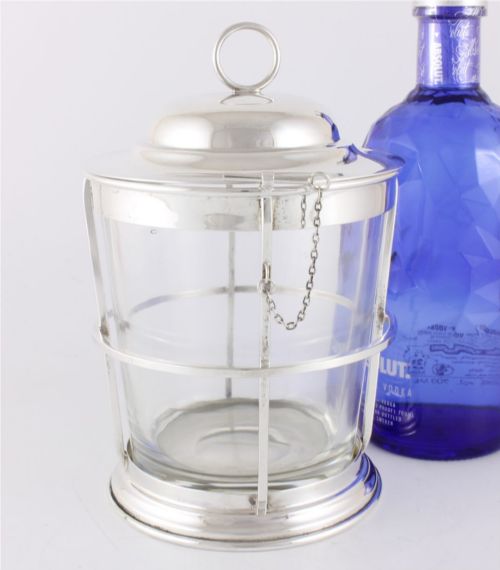
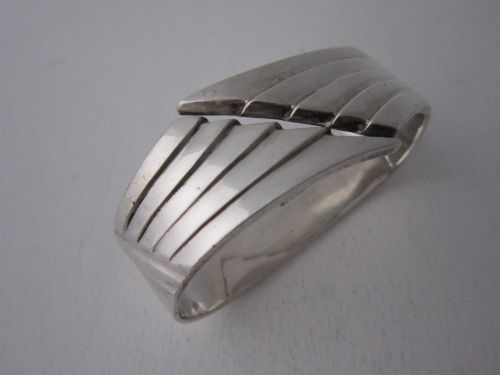
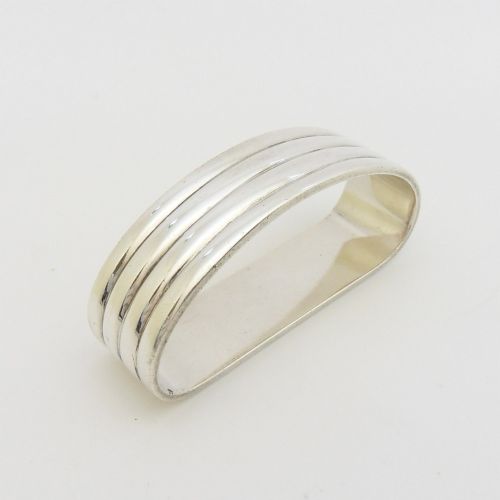
The selections on this page lean heavily toward items made around 1950 and 1960, spanning cocktail shakers, ice buckets, magnifying glasses, desk items, and napkin rings. Alongside mid-century forms, occasional Victorian, Edwardian, and eighteenth-century pieces appear, providing historical contrast.
Makers from Scandinavia, France, Italy, and Britain dominate the offerings, bringing distinct regional interpretations to barware and desk items. Pieces range from minimal Danish modern designs to elaborate novelty items associated with prominent luxury houses.
What varies in quality
The distinction between standard production and superior quality rests upon the weight of the metal, the crispness of the casting, and the integrity of any applied enamel or plating. Substantial gauge silver provides a reassuring heft absent in thin, pressed alternatives.
Design attribution elevates certain objects significantly, particularly when associated with renowned silversmiths or design directors of the period. Signed pieces from established Scandinavian or French manufacturers exhibit superior finish and proportion compared to anonymous workshop output.
Mid Century Silver Accessory Retail Price Guide 2026
Typical asking prices for mid century silver accessory among the pieces listed under this phrase on Sellingantiques today, from the lower quarter to the upper quarter. They describe what is for sale here now, not the wider market.
Listings feature items spanning the 18th century through to the 1960s, with a strong concentration of pieces originating from 1950 and 1960.
Hermes Paris·David Andersen·Georg Jensen·Lino Sabattini·Christofle·Dunhill·Adie Brothers·Tuttle
The Mid Century Silver Accessory Glossary
- Sterling silver
- An alloy containing 92.5 percent silver by mass, with the remainder usually copper. This standard ensures durability while maintaining the bright lustre prized by makers.
- Silver plate
- A layer of silver applied to a base metal core such as brass or copper. This technique allowed larger entertaining pieces like cocktail shakers and ice buckets to remain relatively light and affordable.
- Vitreous enamel
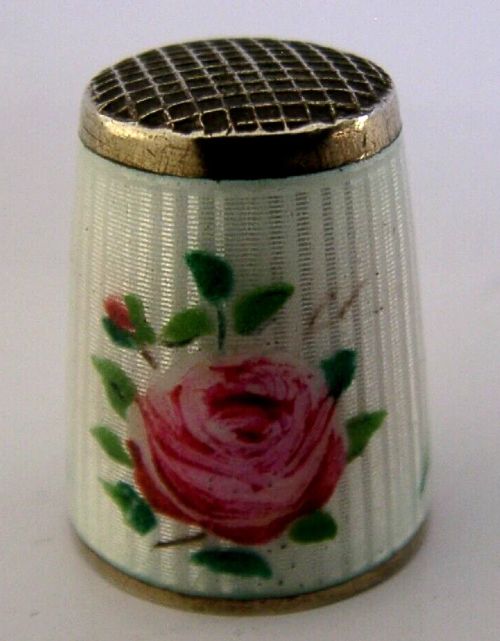
- Glass fused to a metal surface through high-temperature firing. It provides smooth, durable colour decoration on small accessories and sewing tools.
- Vide poche
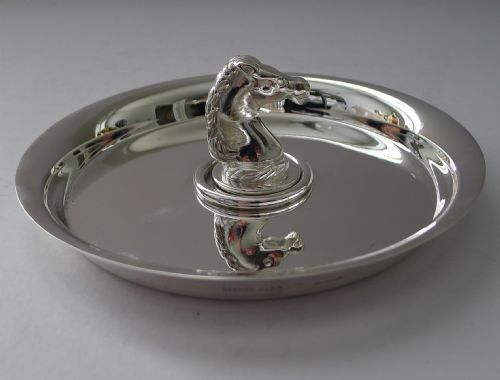
- A small tray or dish designed for emptying pockets of loose coins and keys upon entering a room. These desk and hallway accessories often took whimsical animal forms.
- Acorn pattern
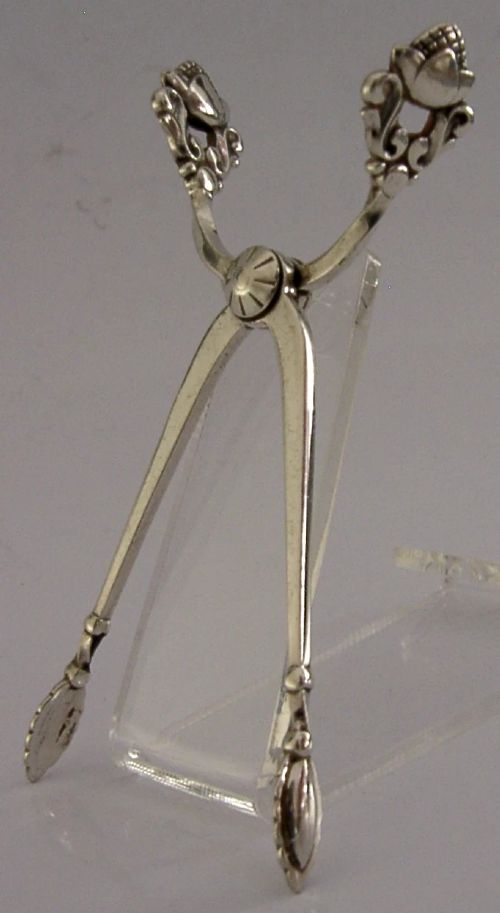
- A naturalistic motif designed by Georg Jensen featuring stylised oak leaves and acorns. This decorative scheme defines numerous Danish silver spoons and serving pieces.
Mid Century Silver Accessory: Frequently Asked Questions
What is a mid century silver accessory used for?
These items served daily domestic functions, ranging from mixing drinks behind a bar to organising desks, dressing tables, and smoking areas. Many were designed for specific social rituals of mid-century entertaining.
Today, collectors utilise them both as functional objects and as decorative accents that reflect the design priorities of the mid-twentieth century.
How do I identify a mid-century silver piece?
Look for hallmarks stamped into the metal, which indicate the city of assay, year of production, and maker's mark. Stylistic cues such as clean lines, organic forms, and minimal ornamentation also point to the mid-century era.
Documentation or signatures from known workshops often accompany higher-end items from this period, helping to confirm their origin and date.
Are silver plated items less desirable than solid silver?
Silver plating was a standard manufacturing method for large entertaining pieces like cocktail shakers, ice buckets, and wine coasters, where solid silver would be impractically heavy and expensive. Plated items from prominent makers remain highly collectible.
Value in these pieces depends more on the designer, manufacturer, and overall condition than strictly on the presence of solid metal.
How should I care for silver and enamel accessories?
Gentle cleaning with a soft cloth helps maintain the polished surface of silver without removing fine plating or scratching softer base metals. Avoid harsh chemical dips, particularly on pieces featuring vitreous enamel or organic inserts like tortoiseshell and glass.
Stored in dry conditions away from direct sunlight, these materials retain their original colour and structural stability over time.