





Mid Century Shelving
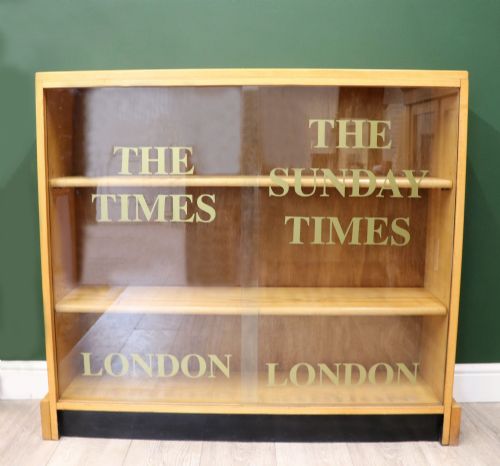
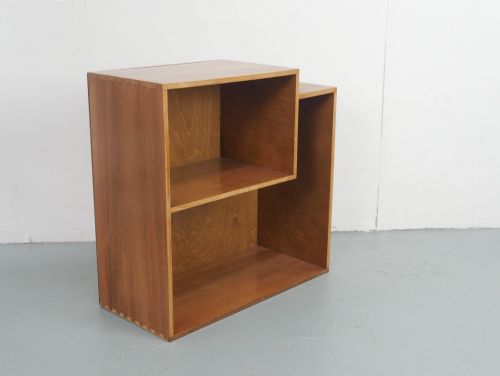
Mid century shelving brings together functional storage and period craftsmanship, offering everything from industrial racks to rosewood etageres for daily use.
Mid Century Shelving
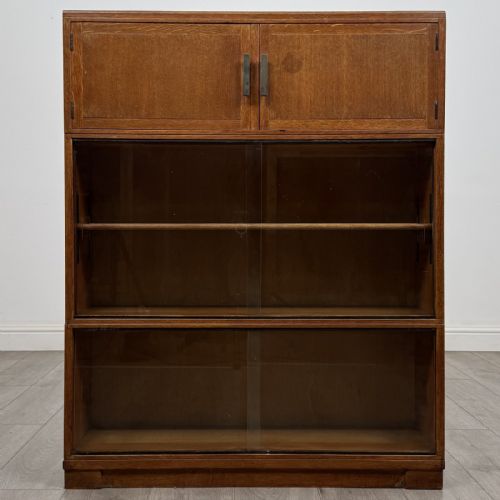
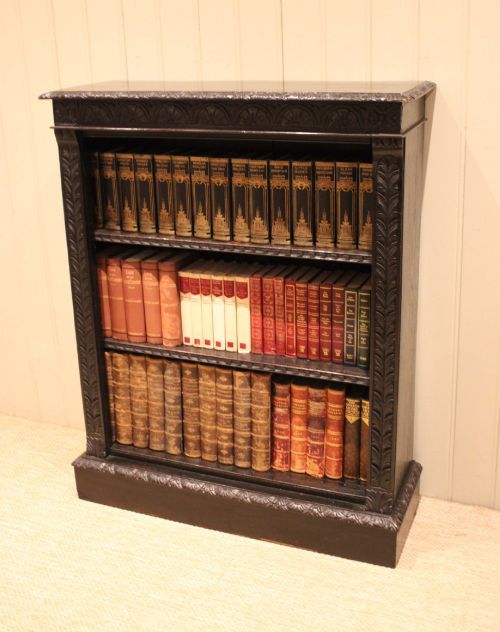
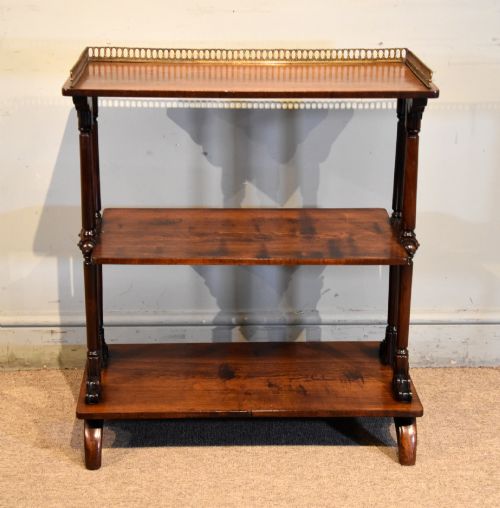
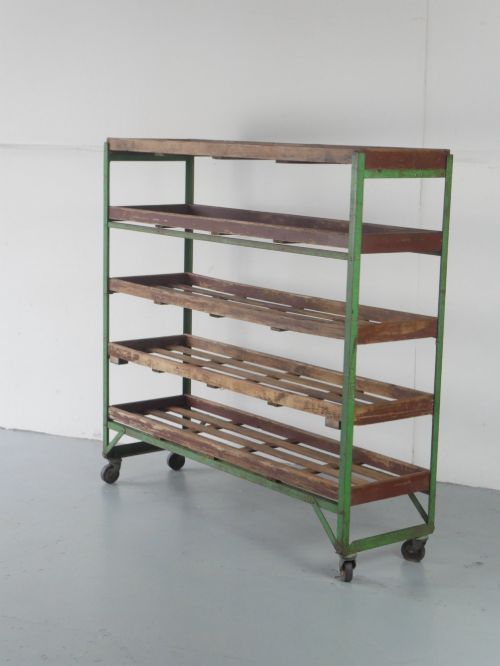
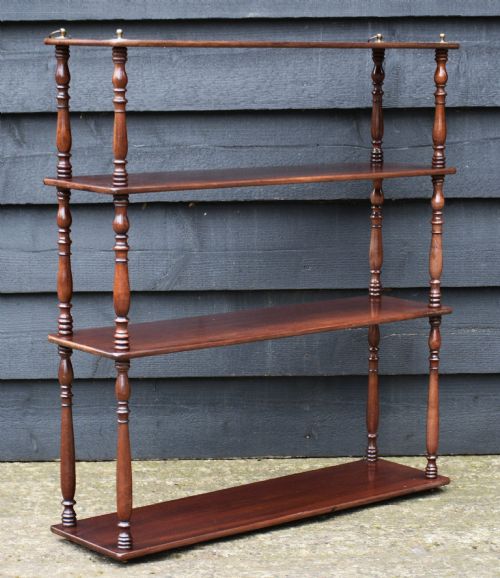
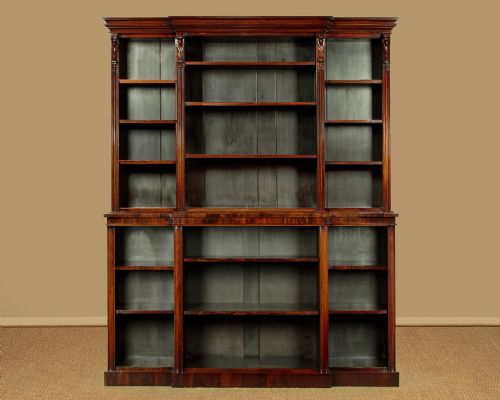
Mid century shelving covers a diverse selection of storage pieces designed to hold books, display objects, and household items. Buyers encounter an array of forms ranging from industrial metal racks and oak cupboards to nineteenth-century mahogany whatnots and rosewood etageres.
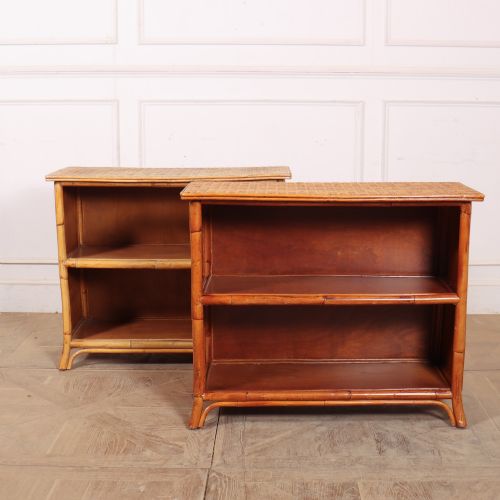
The pieces originating from the nineteenth century bring traditional tiered display stands and open bookcases into contemporary rooms. Meanwhile, items from the nineteen-twenties and nineteen-thirties introduce oak and walnut constructions suited to simpler domestic layouts.
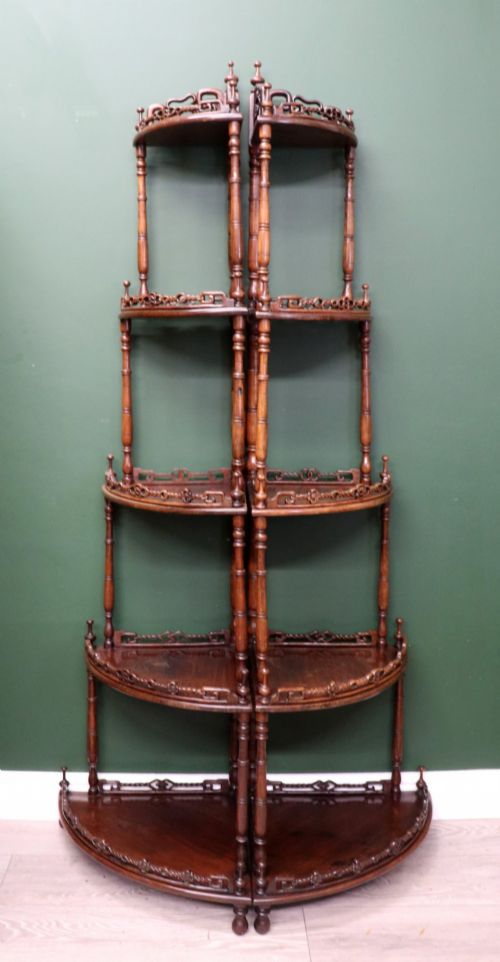
The selection on this page demonstrates how domestic storage evolved from ornate corner whatnots and brass-mounted display units into cleaner lines during the twentieth century.
Materials and construction methods
Cabinet makers relied heavily on solid hardwoods and decorative veneers to build these storage units. Mahogany, rosewood, oak, walnut, and padauk provide the primary structural timbers across the inventory.
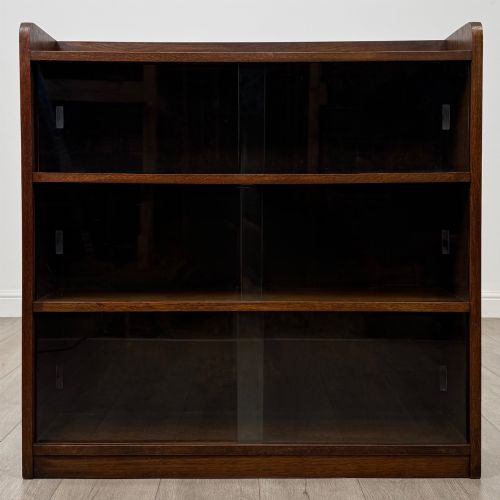
Metal and glass feature prominently in specific styles, such as brass mounts on French-manner etageres and sliding glass doors on Edwardian display cabinets. Wood veneer and pine also appear on fitted cabinets and display boxes.
Mid Century Shelving Retail Price Guide 2026
Typical asking prices for mid century shelving among the pieces listed under this phrase on Sellingantiques today, from the lower quarter to the upper quarter. They describe what is for sale here now, not the wider market.
Listings incorporate multiple timber varieties, including mahogany, rosewood, oak, walnut, pine, and brass-mounted glass.
Distinctions in build and finish
Quality reveals itself in the selection of timber and the precision of the joinery. Pieces utilising figured rosewood, birdseye maple, or burr walnut display a higher level of cabinet work than standard utility items.
The presence of secondary details such as carved corbels, brass mounts, and integrated drawers separates standard production items from exhibition quality works designed by prominent architects.
Sir Charles Barry·Heals·Druce & Co
The Mid Century Shelving Glossary
- Etagere
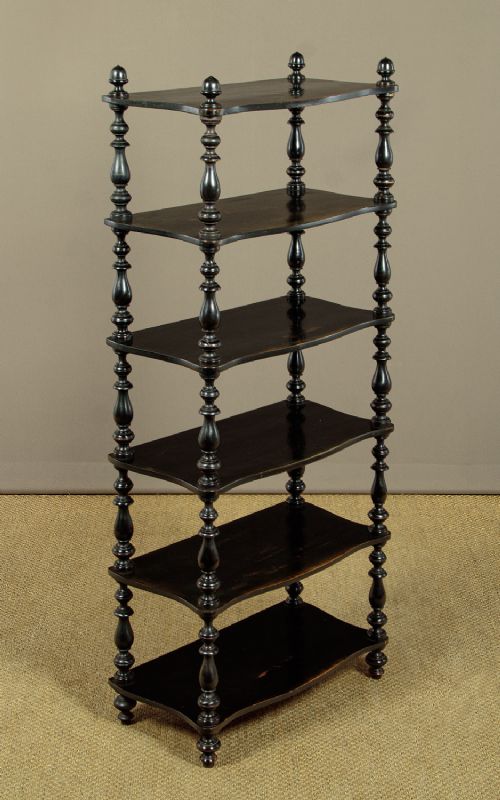
- A tiered piece of furniture with open shelves used for displaying small objects and ornaments. These typically feature three to six levels supported by slender columns.
- Whatnot
- A multi-shelved stand developed in the Victorian era for the display of ornaments and books. They appear in corner configurations as well as freestanding rectangular formats.
- Breakfront
- A piece of furniture where the central section projects forward from the flanking cabinets. This architectural arrangement creates depth and visual interest in large bookcases.
- Corbel
- A structural piece of stone or wood projecting from a wall to carry a weight. In shelving, they often serve as decorative carved supports beneath upper tiers.
Mid Century Shelving: Frequently Asked Questions
What is the difference between a whatnot and a bookcase?
A whatnot is primarily an open tiered stand designed for displaying ornaments, ceramics, and small decorative items across multiple levels.
A bookcase focuses on storing volumes of books, often featuring enclosed doors, glazed fronts, or solid wood sides to protect the contents.
Where should I place an etagere at home?
An etagere works well in drawing rooms, hallways, or studies where its open shelves can catch natural light and showcase collected objects.
Because these units offer visibility from all sides, placing them against a neutral wall or using them to divide a large space highlights their architectural tiers.
How do I care for rosewood and mahogany shelves?
Maintain these polished hardwood surfaces by dusting regularly with a soft, dry cloth and avoiding placement near direct heat sources or strong sunlight.
Applying a traditional beeswax polish occasionally helps nourish the grain and protects the vintage timber finish from drying out over time.
How can I tell a Victorian whatnot from a later piece?
Victorian examples often feature dense timber grains like rosewood or mahogany, accompanied by turned supports, brass castors, or hand-carved details.
Twentieth-century iterations tend to utilise simpler oak or pine constructions with cleaner lines and fewer decorative flourishes.