




Mid Century Server
A mid century server is a functional dining piece designed for staging food, holding silver, and organising hospitality.
Mid Century Server
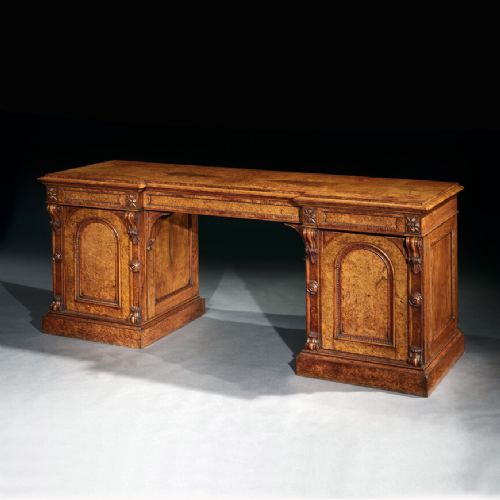
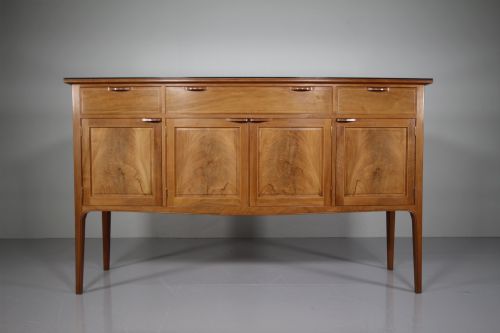
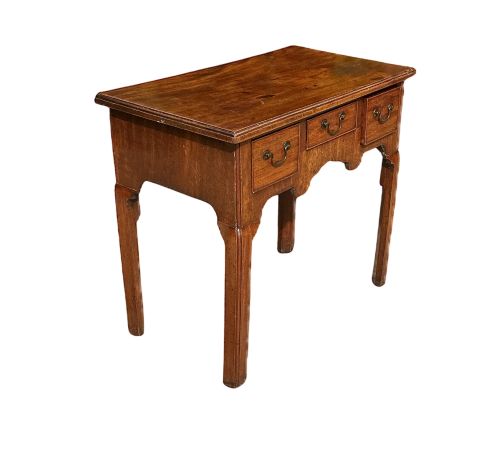
When searching for a mid century server, you encounter forms that bridge functional dining room storage and serving tables. These pieces take the shape of lowboys, chiffoniers, sideboards, and dedicated buffet cabinets intended for domestic entertaining.
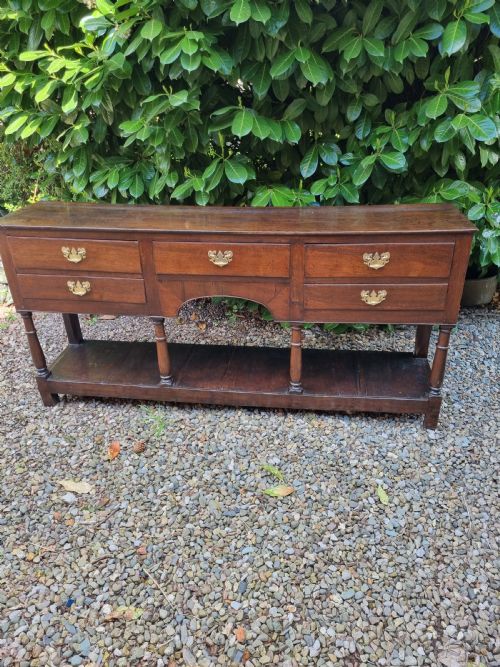
The selections span from robust oak dresser bases and walnut lowboys originating in the eighteenth century to streamlined Scandinavian buffet designs. Cherry wood iterations and mahogany side cabinets also appear regularly within this category.
Origin points stretch across Britain, Scandinavia, and France, bringing diverse regional carpentry traditions into the dining space. Each variant offers a specific surface layout and storage capacity tailored to historical dining customs.
Materials and Construction Techniques
Cabinetmakers utilised durable hardwoods including oak, walnut, mahogany, cherry, and birch for the primary carcass structures. Veneers and marquetry inlay appear on selected surfaces to create decorative grain patterns and geometric contrasts.
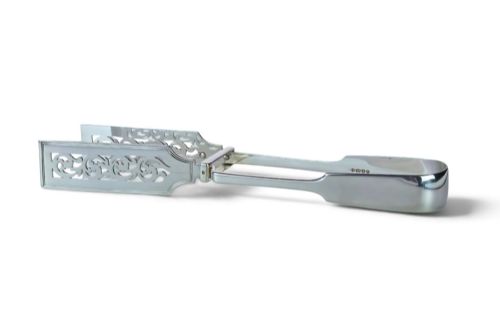
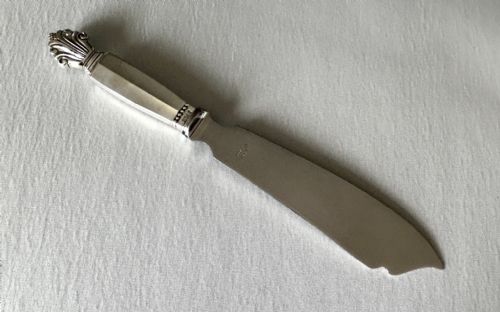
Metal elements such as sterling silver and silver plating form the components for smaller serving pieces, while brass hardware secures doors and drawers. Glass crystals and red crystal materials appear in specialised vessel and jug formats.
Joinery methods rely on traditional drawer construction and frame assemblies designed to support heavy tableware and serving dishes over generations of daily use.
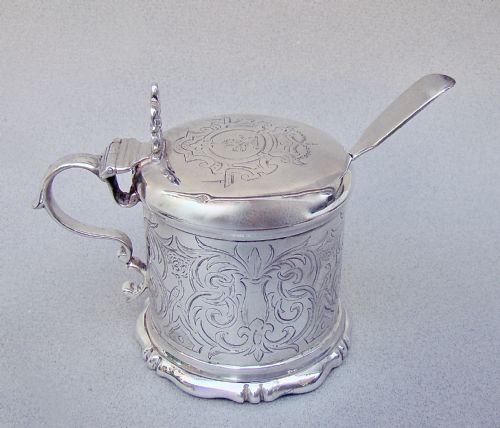
Some serving sets include silver mustard pots ready for grand nineteenth-century dining tables.
Distinguishing Quality Factors
The grade of a mid century server rests upon the selection of timber figure, the precision of internal drawer dovetailing, and the preservation of original hardware. Superior examples display balanced grain matching across door panels and drawer fronts.
Maker attribution elevates certain works, particularly when stamped or bearing documented workshop provenance such as the Cotswold School or notable Scandinavian designers. Structural integrity and minimal intervention during past restorations maintain the authentic character of the piece.
Edward Barnsley·Georg Jensen·Philippe Berthier·Reno Wahl Iversen·Dyrlund
The Mid Century Server Glossary
- Lowboy
- A small oak, walnut, or mahogany table with drawers, commonly used as a side table or serving surface. It stands on relatively tall legs relative to its compact top.
- Chiffonier
- A compact sideboard or cabinet featuring enclosed shelving and sometimes an upper mirror tier. This form emerged during the nineteenth century for dining room storage.
- Dresser Base
- The lower portion of a traditional kitchen or dining dresser equipped with drawers and cupboards. These heavy timber pieces function effectively as robust serving credenzas.
- Buffet
- A long sideboard cabinet designed specifically for the arrangement of food and drink before a meal. Scandinavian and French variants utilise birch and cherry woods.
- Marquetry
- The art of applying decorative pieces of veneer to a structure to form intricate patterns. Walnut lowboys frequently employ this technique on their primary top surfaces.
Mid Century Server: Frequently Asked Questions
What is a mid century server used for?
These pieces serve as practical surfaces for holding dishes, platters, and serving utensils during meals. They also provide enclosed storage space for table linen and silver.
Historically, they bridge the gap between kitchen preparation areas and the dining table, keeping essentials close at hand.
How do I identify an eighteenth century piece?
Eighteenth century servers often feature solid oak, walnut, or mahogany construction with hand-cut dovetail joints in the drawers. The proportions tend to be lower and more compact, such as the traditional lowboy format.
Surface patination and timber shrinkage over centuries provide physical indicators of true age.
Where were Scandinavian servers built?
Scandinavian pieces originate primarily from workshops in countries like Sweden and Denmark, utilising native timbers such as birch. These regional designs emphasise clean lines and functional storage compartments.
They reflect mid century modern aesthetics combined with traditional cabinetmaking skills.
Are buffet cabinets different from sideboards?
Buffets and sideboards share a similar function in the dining room, but buffet formats traditionally focus on food service surfaces. Sideboards frequently incorporate more extensive drawer arrangements and display tiers.
Both forms adapt easily to modern living spaces as general storage credenzas.