



Mid Century Pottery
Mid century pottery brings together vessels and figures shaped through varied global ceramic traditions spanning modernist experimentation and traditional forms.
Mid Century Pottery
Mid century pottery encompasses diverse ceramic objects including art pottery vases, banded bowls, and sculptural animals created across several decorative movements.
The selections available range from 19th-century Staffordshire figures and stoneware plates to mid-century art pottery and modernist French ceramic wall fountains.
Buyers encountering this search phrase will find a broad mix of earthenware, stoneware, and glazed ceramics originating from English, French, and Dutch makers.
How they were made
Potters utilised earthenware, stoneware, and terracotta bodies shaped by hand or wheel before applying decorative glazes, enamels, and slip.
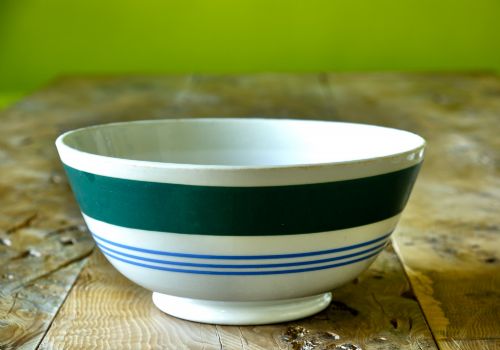
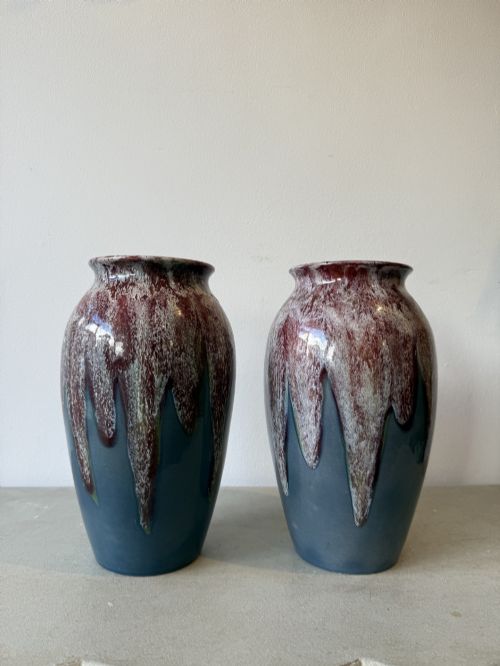
Surface treatments in the selection include rich drip glazes, hand-painted blue and white designs, and contrasting coloured enamel bands fired onto the ceramic surface.
Mid Century Pottery Retail Price Guide 2026
Typical asking prices for mid century pottery among the pieces listed under this phrase on Sellingantiques today, from the lower quarter to the upper quarter. They describe what is for sale here now, not the wider market.
Listings incorporate earthenware, stoneware, and terracotta formed into vases, bowls, and sculptural figures.
What varies in quality
The strength of a piece rests in the precision of its hand modeling and the depth of control achieved in the glaze firing.
Examples display distinct degrees of artistic ambition, separating standard production wares from expressive studio creations and detailed sculptural figures.
T G Green Pottery·Thomas Parr·John Ridgway·Joseph Constant
The Mid Century Pottery Glossary
- Earthenware
- Porous pottery fired at lower temperatures, typically requiring a glaze to achieve impermeability. It remains one of the primary ceramic mediums found across historical wares.
- Stoneware
- A sturdy, vitrified ceramic fired at higher temperatures until non-porous. This material provides exceptional durability for utilitarian vessels and decorative objects alike.
- Terracotta
- Unglazed or glazed fired clay possessing a warm reddish-brown hue. Sculptors often utilised this material for hand-modelled figures and architectural ornaments.
- Slip
- A liquid mixture of clay and water applied to pottery surface for decoration or smoothing before firing. Potters use it to create contrasting bands and background tones.
- Drip glaze
- A decorative finishing technique where viscous glazes run down the sides of a vessel during firing. This produces random, organic patterns unique to each individual piece.
Mid Century Pottery: Frequently Asked Questions
How do I clean old pottery?
Dust ceramic surfaces gently with a dry, soft cloth to remove everyday particles.
Avoid submerging antique pieces with delicate painted enamels or porous terracotta bodies in water.
Are these items waterproof?
Many glazed stoneware and earthenware pieces safely hold water for floral displays.
Unglazed terracotta or older items with hairline fractures should use internal glass liners instead.
Where should I display figures?
Position sculptural figures and ceramic animals on sturdy shelves away from heavy foot traffic areas.
Ensure display locations avoid direct, continuous sunlight to protect hand-painted enamel details.
How can I tell periods apart?
Examine the base clay body, glaze characteristics, and stylistic motifs visible on the piece.
Victorian pieces often feature moulded figures, while mid-century examples lean toward modernist glazes.