

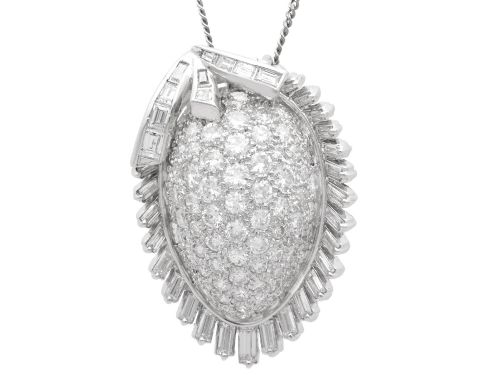
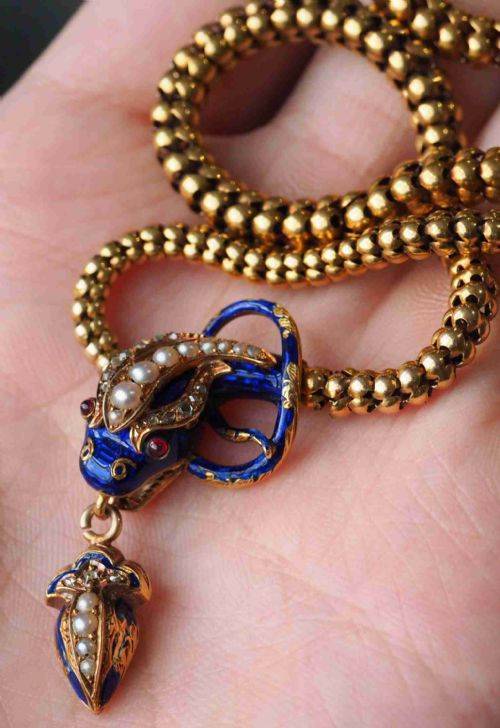


Mid Century Pendant Necklace
A mid century pendant necklace brings together modernist metalwork and striking gemstones, offering a wearable piece of twentieth-century design history.
Mid Century Pendant Necklace
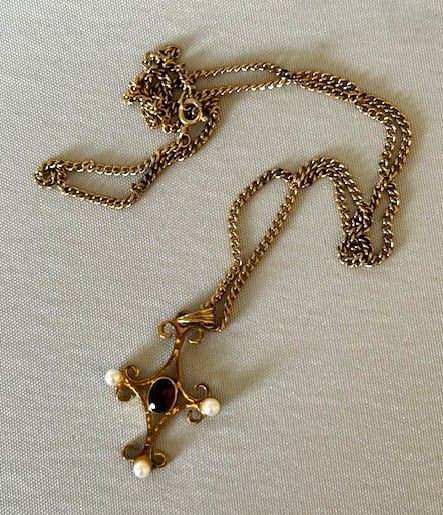
A mid century pendant necklace spans designs from the 1940s, 1950s and 1960s, alongside earlier Victorian and Edwardian pieces influenced by mid-century aesthetics. These items primarily appear as drop pendants, heart shapes, crosses, or organic forms suspended from chains and torques.
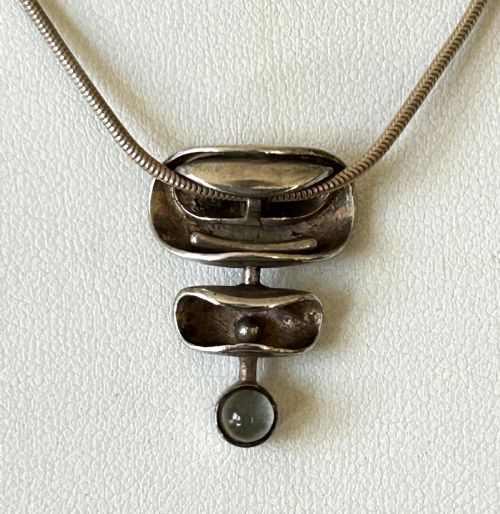
Scandinavian makers heavily influence this category, producing distinctive silver and enamel work originating from Norway, Denmark and Finland. Alongside these regional silver designs, gold mountings set with large aquamarines, diamonds, emeralds, sapphires and opals form a significant portion of the available selection.
Materials and construction
Metals range from sterling silver and silver gilt to white, yellow and rose gold in 10ct, 14ct, 18ct, 22ct, alongside platinum. Silver pieces frequently incorporate colourful enamel work or Scandinavian modernist styling.
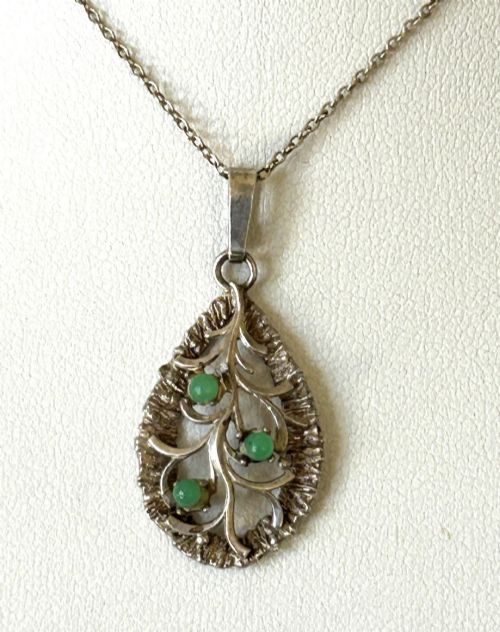
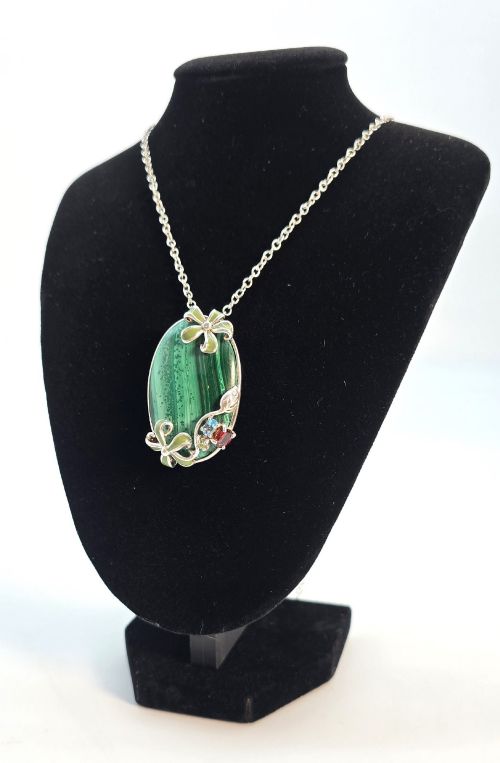
Gemstones are central to the construction, utilising diamonds, pearls, aquamarines, rubies, emeralds, sapphires, garnets, opals, chrysoprase, malachite, coral and amethyst paste. Settings vary from cluster formations to organic mountings and solid gold bezels.
Mid Century Pendant Necklace Retail Price Guide 2026
Typical asking prices for mid century pendant necklace among the pieces listed under this phrase on Sellingantiques today, from the lower quarter to the upper quarter. They describe what is for sale here now, not the wider market.
Materials recorded include diamond, sterling silver, silver, pearl, enamel, platinum, aquamarine and ruby.
Separating top examples from standard pieces
Quality rests upon the distinction of the design, the weight of the precious metal, and the size and clarity of set gemstones such as aquamarines, diamonds and emeralds. Named workshops and distinct Scandinavian modernist origins elevate certain pieces above anonymous mass production.
The integration of materials also defines the tier of a piece, seen in the precision of vitreous enamel work on silver or the balance between organic metal forms and set stones.
Andreas Daub·Hermann Siersbol·David-Andersen of Norway
The Mid Century Pendant Necklace Glossary
- Pendant
- A decorative ornament suspended from a necklace or chain. It hangs freely as a focal point against the chest.
- Silver Gilt
- Silver that has been coated with a thin layer of gold. This technique provides the warmth of gold over a silver base.
- Torque
- A rigid circular neck ring that remains open at the front. These often hold fixed pendants in Scandinavian designs.
- Enamel
- A glassy substance fused to metal through firing for colour. It appears frequently in mid-century modernist silver jewellery.
Mid Century Pendant Necklace: Frequently Asked Questions
What defines a mid century pendant necklace?
These pieces date predominantly from the 1940s to the 1960s, reflecting modernist design principles, organic shapes and clean lines. They combine precious metals like silver and gold with substantial gemstones.
They also encompass earlier Victorian and Edwardian items that share aesthetic ties with the mid-century period.
How do I wear a pendant torque?
A pendant torque sits rigidly around the neck as a collar rather than hanging loosely on a flexible chain. It presents the attached pendant centrally.
This rigid format suits open necklines where the sculptural form of the metalwork remains entirely visible.
Are these necklaces made of solid gold?
The metal varies across listings, including sterling silver, silver gilt, platinum and various purities of gold such as 10ct, 14ct, 18ct and 22ct white or yellow gold.
Each listing specifies the exact precious metal composition used for the mounting and chain.
Where do Scandinavian designs originate?
Scandinavian pieces on this page come from silversmiths and workshops located in countries such as Norway, Denmark and Finland. These designs often feature minimalist silver and vibrant enamel.
Specific makers from these regions are frequently identified in the item descriptions.