

Mid Century Pedestal
When you search for mid century pedestal, you are looking for sturdy central columns supporting tables, desks and lamps shaped by 19th-century and 20th-century hands.
Mid Century Pedestal
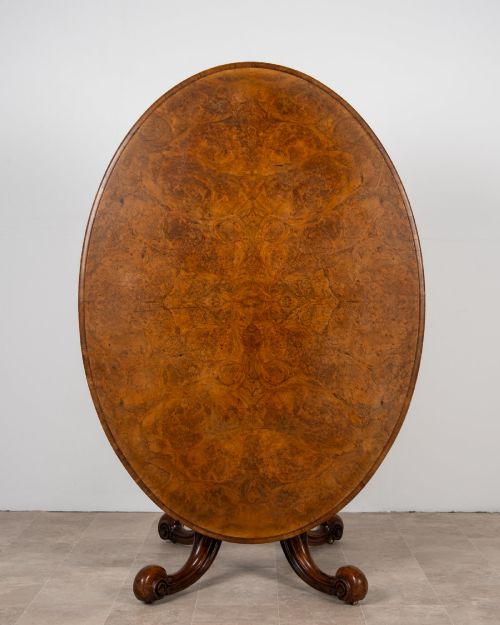
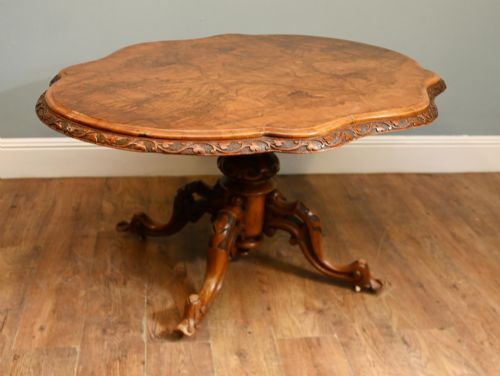
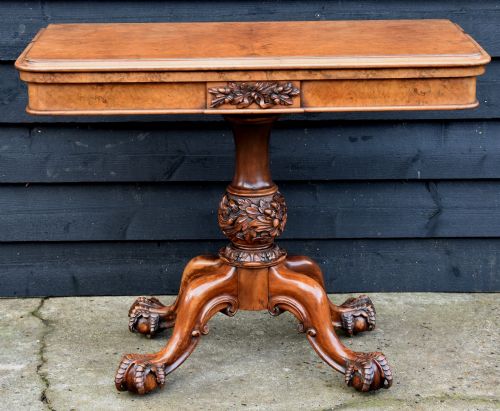
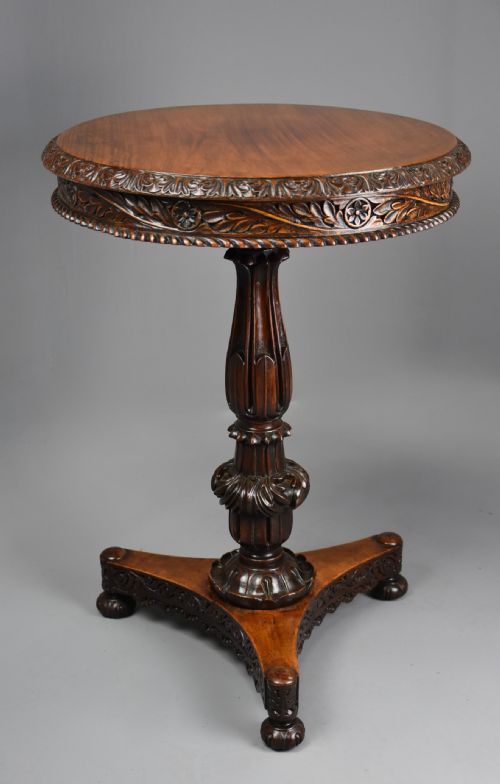
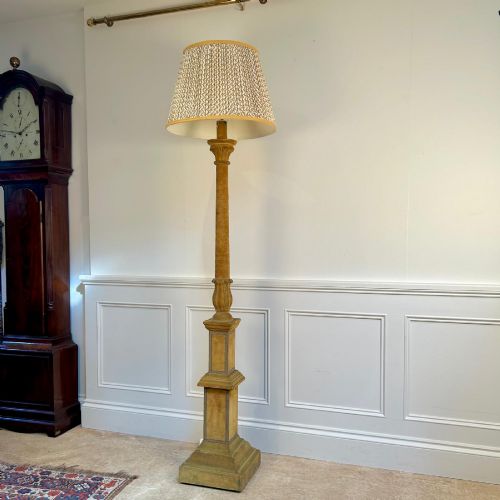
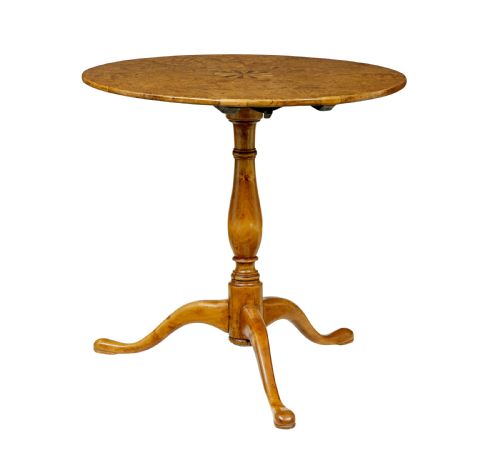
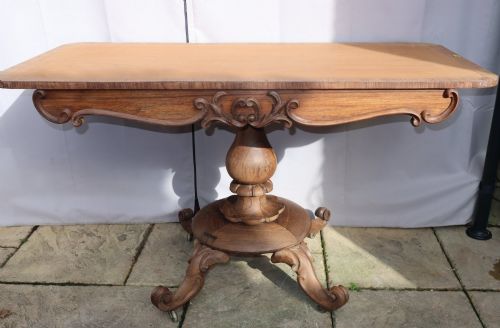
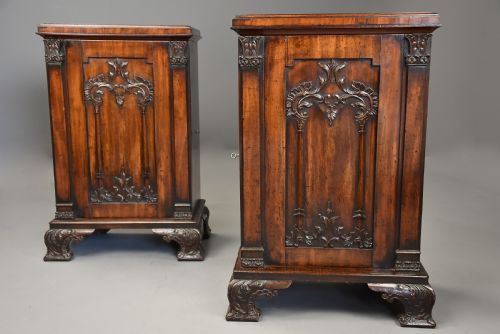
When buyers search for mid century pedestal pieces, they encounter central column supports beneath centre tables, occasional tables, desks, dining tables, and floor lamps. These pieces originate from Victorian, Georgian, Art Deco, and 1930s periods, drawing on English, Italian, French, and Anglo Indian traditions.
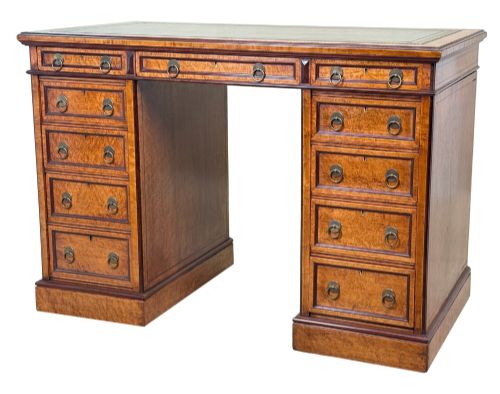
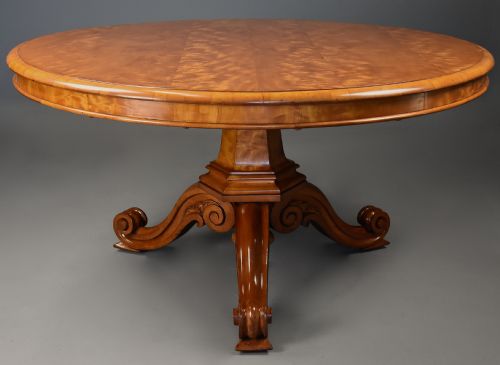
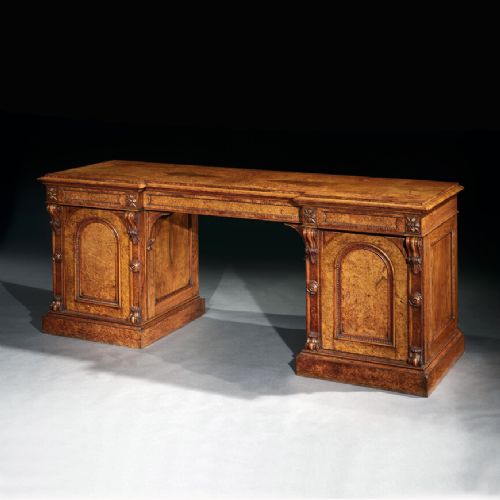
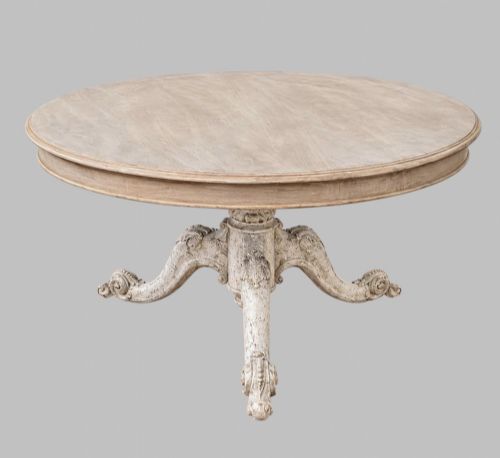
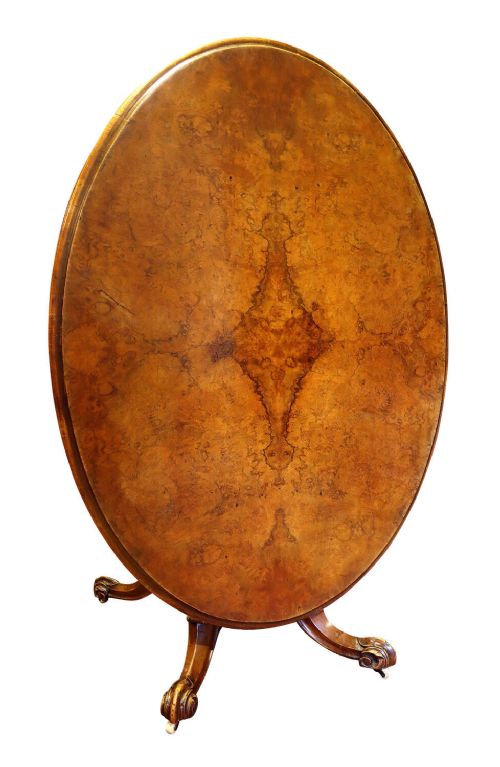
The most common forms on this page include walnut and mahogany centre tables, tilt-top occasional tables, and pedestal desks resting on centralized feet or pillars. Such items served dining rooms, libraries, and drawing rooms as stable surfaces holding lamps, books, or silver.
Materials and Construction
Construction relied on solid timber framing for central pedestals and tripod bases, ensuring adequate weight distribution to support heavy stone or wood tops. Turning, carving, and inlays defined the decorative vocabulary across Victorian and Art Deco examples.
Mid Century Pedestal Retail Price Guide 2026
Typical asking prices for mid century pedestal among the pieces listed under this phrase on Sellingantiques today, from the lower quarter to the upper quarter. They describe what is for sale here now, not the wider market.
Tilt-top tables let historical households reclaim floor space by pivoting their dining surfaces upright against the wall after tea.
Judging Quality
Quality rests upon the selection of timber, such as tightly figured burr walnut or richly grained mahogany, matched evenly across large surfaces like table tops and desk facades. Superior pieces exhibit crisp hand-carving on pedestal bases and robust structural joinery that prevents wobble.
Proportion and execution distinguish finer items from simpler utility furniture. Well-balanced central columns and precise brass or marble integration reveal the hand of a skilled workshop.
Benedetto Boschetti·Jean Antoine Houdon·Étienne Kohlmann·Tiffany and Co
The Mid Century Pedestal Glossary
- Pedestal
- A structural support or column holding up a table top, desk, or lamp. It provides a stable central base rather than four corner legs.
- Tilt top
- A table mechanism allowing the surface to pivot vertical when not in use. This clever design saved floor space in cramped drawing rooms.
- Burr walnut
- Wood taken from a tree growth featuring intricate, swirling grain patterns. Cabinet makers prized it for decorative veneering on Victorian tables.
- Centre table
- A freestanding piece finished on all sides to stand in the middle of a room. These served for displaying ornaments or holding lamps.
- Grand tour
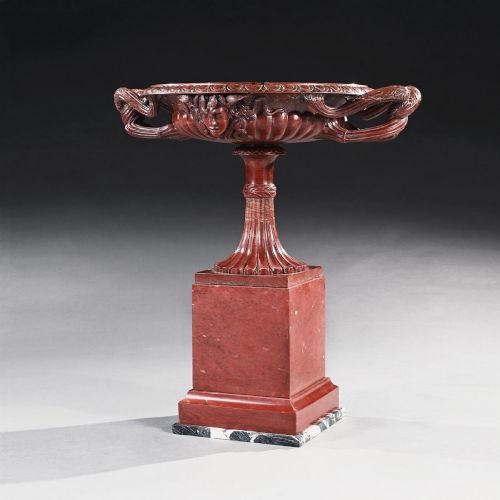
- Travel across continental Europe undertaken by wealthy individuals to collect art and antiquities. Items from this tradition include marble columns and tazzas.
Mid Century Pedestal: Frequently Asked Questions
What is a mid century pedestal table?
A mid century pedestal table uses a single central column or tripod base to support the top instead of conventional corner legs. These designs appeared across 19th-century Victorian and later Art Deco periods.
They offer practical advantages in tight spaces, allowing chairs to tuck neatly underneath without knocking against table legs.
How do I date a pedestal desk?
Dating relies on examining the secondary timbers inside drawers, the style of the brass hardware, and the construction methods used for the central pedestal. Victorian and 1930s office desks show distinct shifts from hand-dovetailed mahogany to oak framing.
Looking at the grain of walnut or mahogany veneers also helps match pieces to specific cabinet-making traditions.
Where should I place a centre table?
Centre tables are designed to stand freely in the middle of a room rather than pushed against a wall. Their finished bases and detailed wood tops look correct from every angle.
Historically, they sat in large halls or drawing rooms holding lamps, books, or decorative bronze figures.
What woods were used for these pieces?
Cabinet makers relied primarily on mahogany, walnut, burr walnut, rosewood, and oak for structural stability and rich visual grain. Exotic additions like padouk and satin birch appear on Anglo Indian and Scandinavian pieces.
Marble and brass frequently accompanied these timbers on lamp tables and decorative columns.