



Mid Century Pastel Art
Mid century pastel art brings the soft, immediate textures of chalk and pastel into focus, offering a direct view into twentieth-century British and European visual culture.
Mid Century Pastel Art
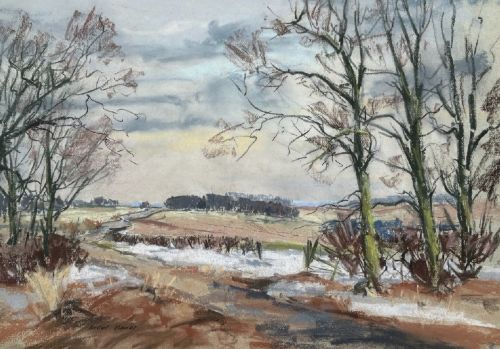
Buyers encountering this selection will find works spanning from Victorian watercolours and Edwardian views to robust mid-century British landscapes and post-impressionist compositions. The core of the offering relies on twentieth-century pieces that deploy chalk, pastel, and gouache to render winter scenes, harbour views, and intimate figure studies.
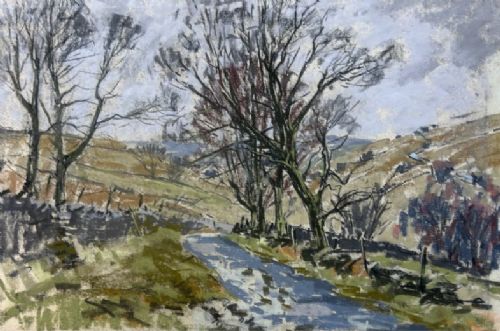
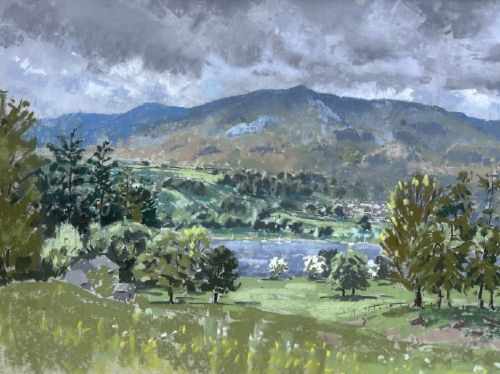
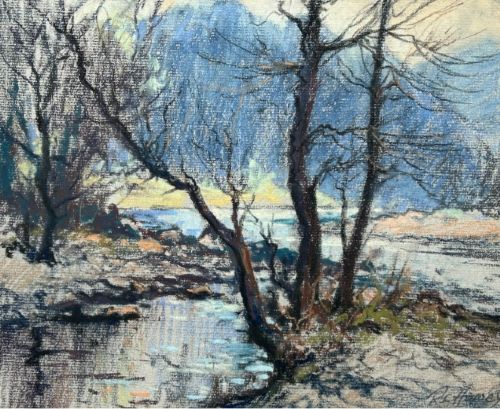
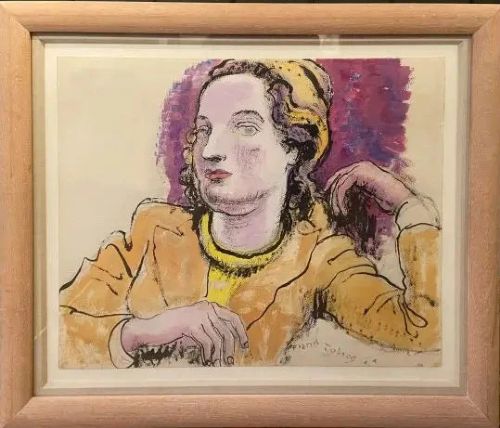
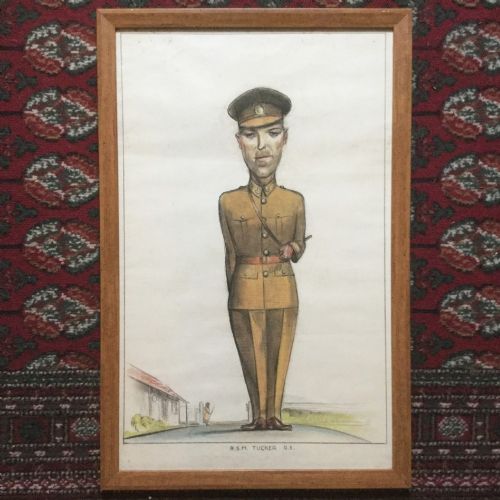
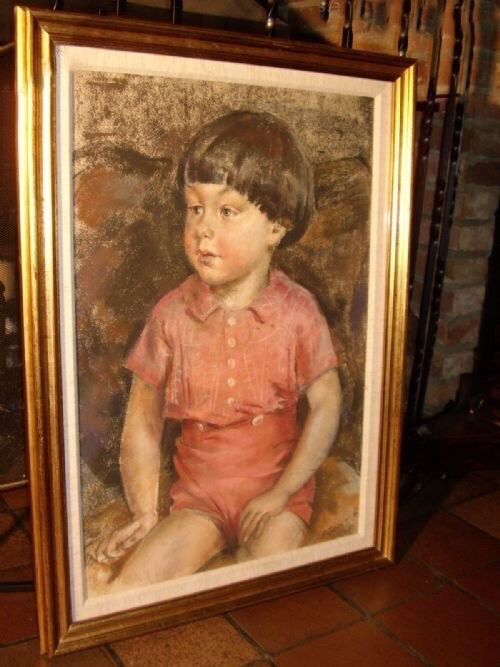
Landscapes form a significant portion of the material, depicting Yorkshire settings, Cumbrian waters, and Manx scenery alongside studio portraits and military figures. These works bridge the gap between rapid preparatory sketches and finished gallery pieces, maintaining the immediacy of the artist's initial mark.
Materials and technique
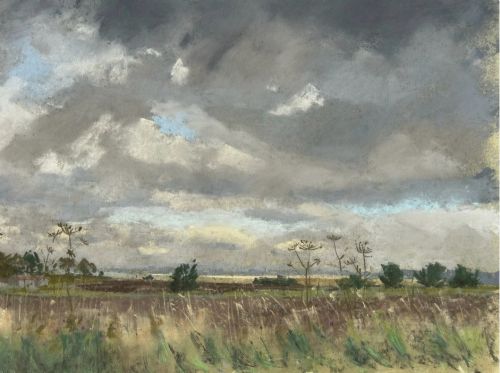
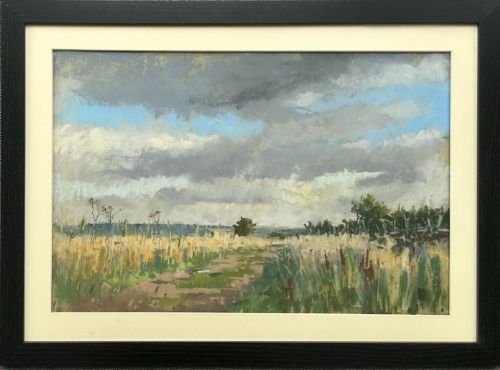
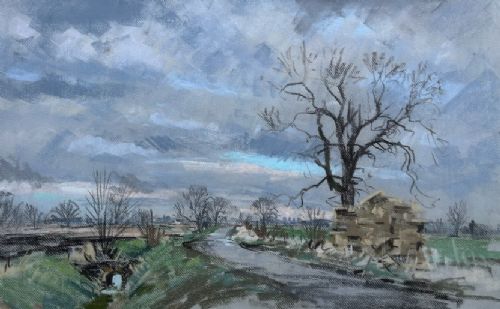
These works rely heavily on pastel and chalk applied directly to paper or coloured paper supports, often supported by secondary mediums like gouache and charcoal to build depth and contrast. Artists utilised the friable nature of pastel pigments to create soft gradations of tone, particularly effective in atmospheric weather effects such as stormy skies and winter snow scenes.
Framed under glass to protect the delicate, unvarnished pigment surfaces, the pieces preserve the tactile quality of the dry medium alongside wet media applications like watercolour and oil. Support materials range from standard artist papers to textured boards and tinted sheets that interact optically with the translucent pastel strokes.
Mid Century Pastel Art Retail Price Guide 2026
Typical asking prices for mid century pastel art among the pieces listed under this phrase on Sellingantiques today, from the lower quarter to the upper quarter. They describe what is for sale here now, not the wider market.
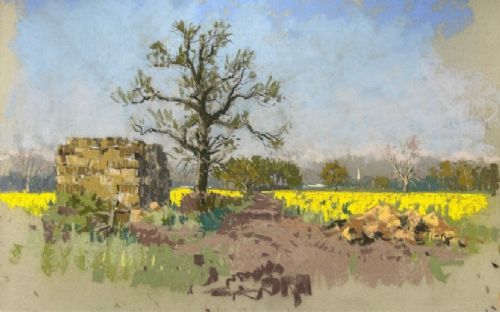
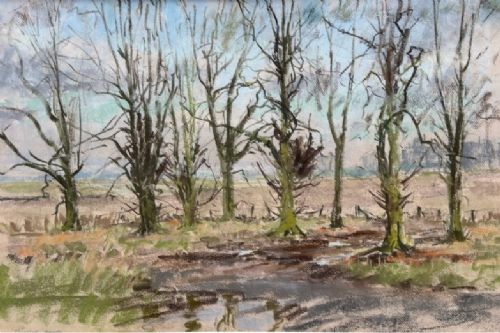
Subject matter across the selection ranges from Yorkshire landscapes and Cornish harbours to formal portraits and circus performers.
Judging quality in pastel works
Quality rests upon the sureness of the draughtsmanship and the artist's ability to capture light and form without overworking the delicate pigment layers. Stronger examples demonstrate confident handling in complex subjects like figurative nudes, equine motion, or intricate architectural settings.
Condition and preservation dictate the upper tiers of the selection, particularly the stability of the paper support and the absence of fading or pigment migration beneath the glass. Works sourced directly from studio portfolios often retain fresher colour saturation and sharper linear definition than those exposed to prolonged ambient light.
Angus Rands·Frank Dobson·Samuel Rabin·John Rattenbury Skeaping·Gyrth Russell
The Mid Century Pastel Art Glossary
- Pastel
- A dry painting medium consisting of powdered pigment combined with a binder, typically formed into sticks for direct application to paper.
- Gouache
- An opaque water-based paint often combined with pastel in mixed media works to add solid highlights and opaque colour blocks.
- Post-Impressionism
- An art movement developing roughly from the last decades of the nineteenth century that extended impressionism while rejecting its limitations, visible in later mid-century works.
- Modern British
- A broad classification for art produced in Britain during the twentieth century that absorbed continental modernist influences while retaining a distinct domestic character.
Mid Century Pastel Art: Frequently Asked Questions
How should I frame mid century pastel art?
Pastel works require framing behind glass with a sufficient window mount or spacer to prevent the delicate pigment surface from touching the glazing. This physical separation protects the friable chalk particles from adhering to the glass over time.
Conservation-grade materials and proper sealing against dust and moisture help preserve the integrity of paper supports and tinted backgrounds.
Where were these landscape scenes painted?
The landscapes focus predominantly on British regional settings, capturing locations across the Yorkshire dales, wolds, and coastlines. Other notable topographies include Cumbrian waters, Cornish harbours, and the Isle of Man.
Artists frequently worked plein air or from studio portfolios populated during dedicated sketching trips across these specific rural and coastal locales.
What is the difference between pastel and oil pastel?
Traditional pastels use a gum or resin binder to create a dry, chalky stick that relies on paper texture to hold the pigment in place. Oil pastels substitute a wax and oil base, resulting in a buttery consistency that does not require glass protection.
The majority of mid-century works in this selection utilise traditional dry pastel, often combined with gouache or charcoal.
How do I care for works on paper?
Works on paper require placement away from direct, strong sunlight to prevent the fading of fugitive pigments and the yellowing of the paper support. Maintaining stable indoor humidity levels prevents warping, foxing, and the degradation of the underlying materials.
Avoid hanging pastel pieces in high-moisture areas such as kitchens or unventilated bathrooms where dampness can damage the paper and destabilise the dry media.