




Mid Century Open Shelf
These mid century open shelf pieces offer versatile display storage, bringing practical division and rich timber tones into modern interiors.
Mid Century Open Shelf
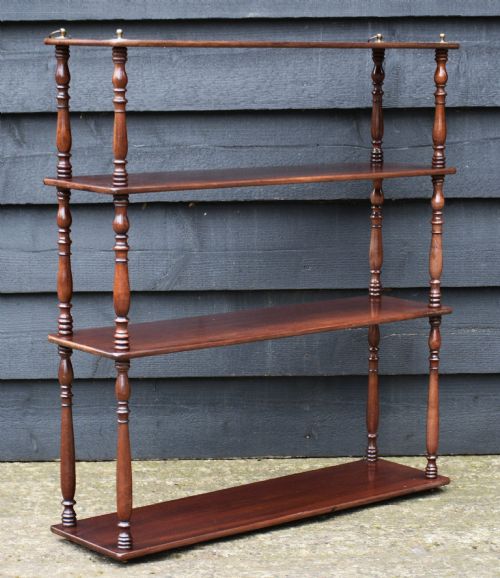
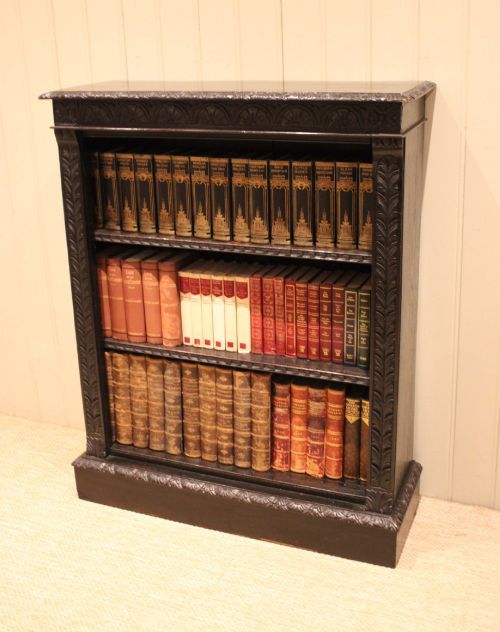
A mid century open shelf encompasses open bookcases, étagères, whatnots, wall hanging shelves, and corner units designed for display and storage. Buyers seeking a mid century open shelf encounter pieces stretching from the Victorian era through the 1920s and 1930s.
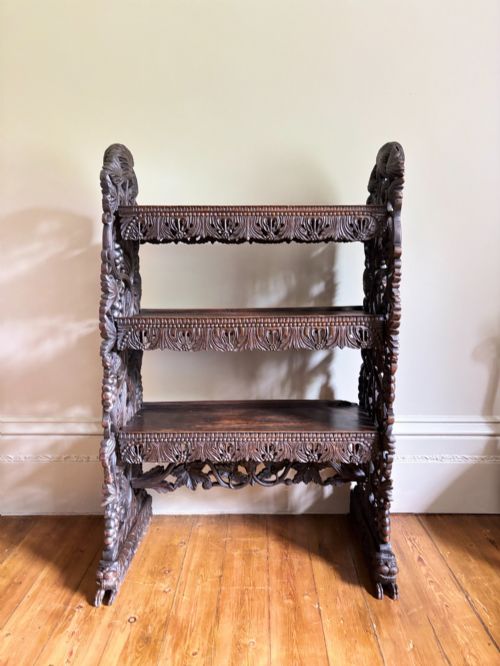
Victorian examples and later twentieth-century interpretations sit alongside each other, spanning styles from Victorian Gothic Revival and French Rococo Revival to Anglo-Indian and Mid-Century Modern. Wall shelves and corner units provide compact options for smaller spaces.
Materials and construction
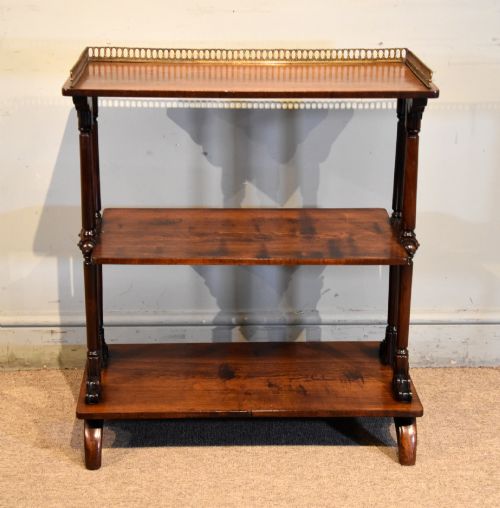
Timbers such as mahogany, rosewood, oak, walnut, and birdseye maple form the primary carcasses, paired with brass galleries, brass mounts, and wood veneer. Selected pieces incorporate carved corbels and Gothic influences into their structural frames.
Plywood appears alongside solid woods in later items, while ebonised finishes and distinct display boxes demonstrate varied cabinet-making techniques. Brass-mounted details and tiered tiers require precise joinery to support open shelving loads safely.
Mid Century Open Shelf Retail Price Guide 2026
Typical asking prices for mid century open shelf among the pieces listed under this phrase on Sellingantiques today, from the lower quarter to the upper quarter. They describe what is for sale here now, not the wider market.
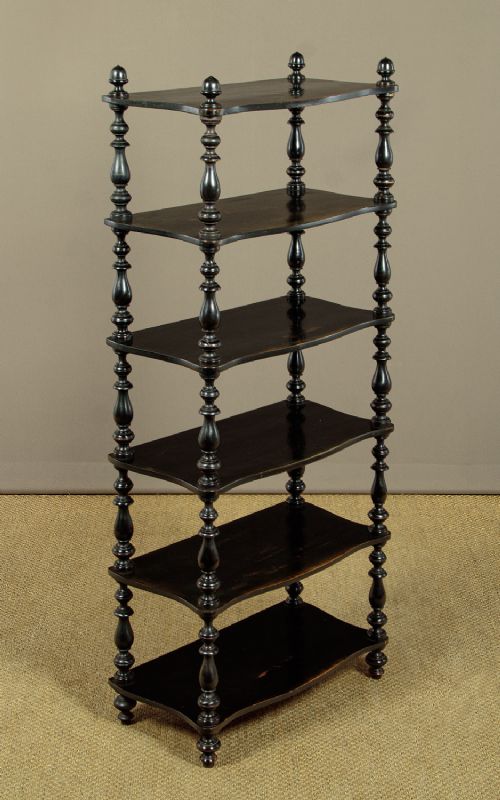
Some nineteenth-century makers packed six tiers of ebonised wood into a single dumb waiter, proving Victorians loved vertical storage just as much as we do.
Assessing quality in open shelving
Quality rests upon the choice of timber figure, such as rich rosewood grain or birdseye maple, and the crispness of carved elements like corbels and Gothic tracery. Superior execution shows in the integration of brass galleries and mounts that anchor the shelving structure.
The refinement of proportion separates standard joinery from distinguished examples, particularly in breakfront bookcases and multi-tiered étagères where architectural balance dictates visual authority.
Sir Charles Barry·Heals
The Mid Century Open Shelf Glossary
- Whatnot
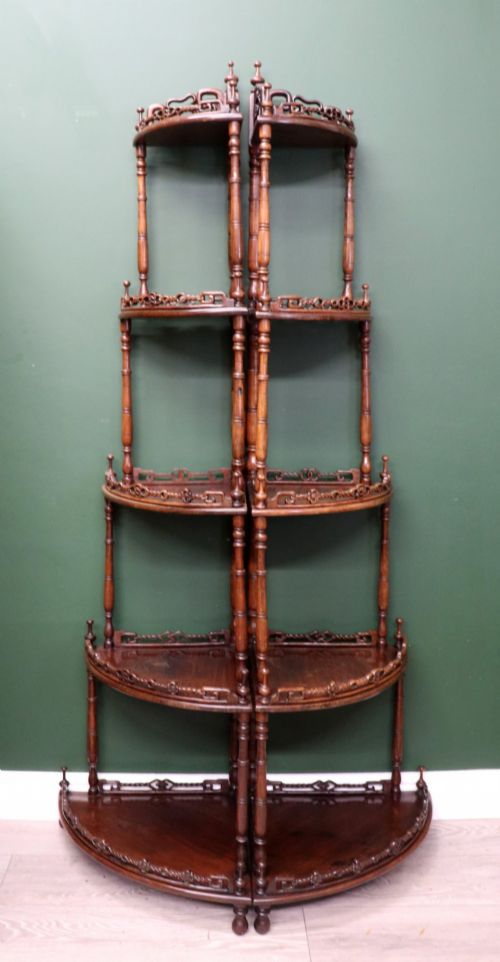
- A piece of furniture with shelves for displaying small objects or books, popular in the nineteenth century. These tiered stands range from corner units to central standing buffet shelves.
- Étagère
- A piece of furniture consisting of a set of open shelves for displaying ornaments. They often incorporate brass galleries and multiple tiers.
- Breakfront
- A cabinet or bookcase whose central section projects forward from the flanking wings. This architectural arrangement creates depth and visual rhythm across larger bookcases.
- Corbel
- A structural piece of stone or wood protruding from a wall to support a weight. In these pieces, carved wooden corbels often accent upright supports.
- Brass Gallery
- A low railing of brass enclosing the top shelf of a sideboard or étagère. It prevents items from sliding off the surface.
Mid Century Open Shelf: Frequently Asked Questions
Where should I place an open shelf?
These units suit living rooms, studies, and hallways where books and decorative objects require accessible display.
Positioning them away from direct sunlight preserves the rich rosewood, mahogany, and walnut tones of the timber.
How do I care for antique timber?
Dust the shelves regularly with a dry cloth and apply occasional high-grade wax to nourish the wood grain.
Avoid placing damp items directly onto the open surfaces to protect the polished veneer and solid wood.
What is the difference between a whatnot and an étagère?
Both terms describe tiered shelving units intended for display, though étagère often implies a French influence with delicate brass mounts.
Whatnots frequently appeared in Victorian interiors as corner units or multi-tiered stands for ornaments.
How do I identify Victorian open shelving?
Victorian pieces frequently utilise dense hardwoods like mahogany and rosewood, sometimes featuring Gothic revival details or carved corbels.
Look for traditional joinery methods and patination that develop naturally across the nineteenth century.