


Mid Century Oak Furniture
Mid century oak furniture brings robust timber character and practical storage to modern interiors through enduring designs.
Mid Century Oak Furniture
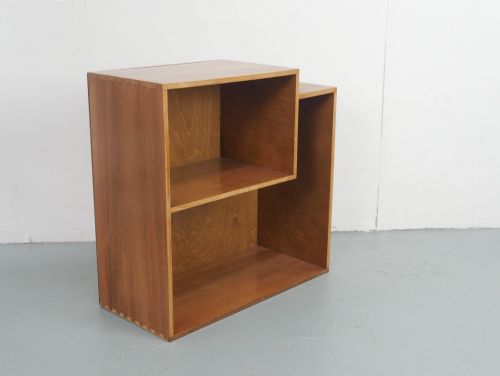
Mid century oak furniture encompasses practical domestic items built from durable timber across various eras, ranging from early country dressers to later modernist desks. When searching for mid century oak furniture, buyers encounter a diverse mix of forms that span utilitarian storage units, seating, and display cabinets.
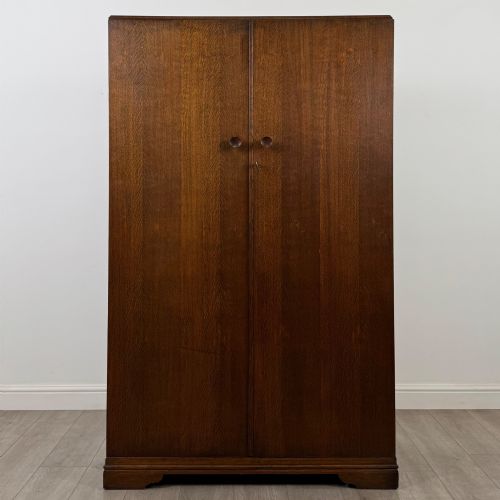
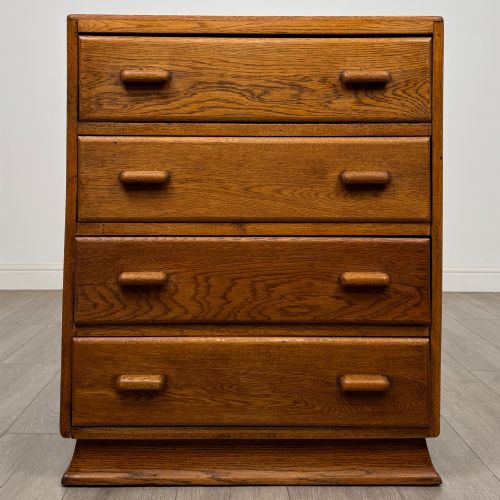
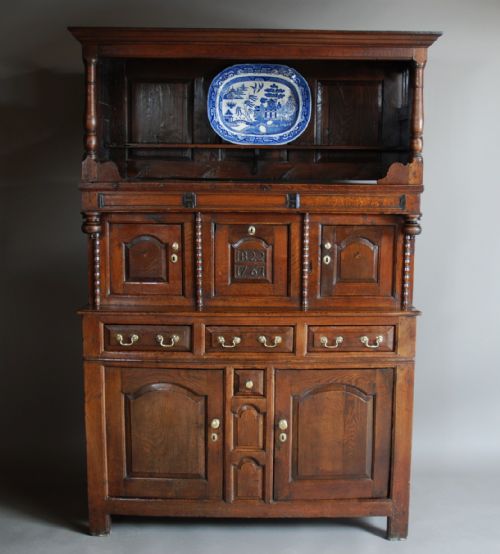
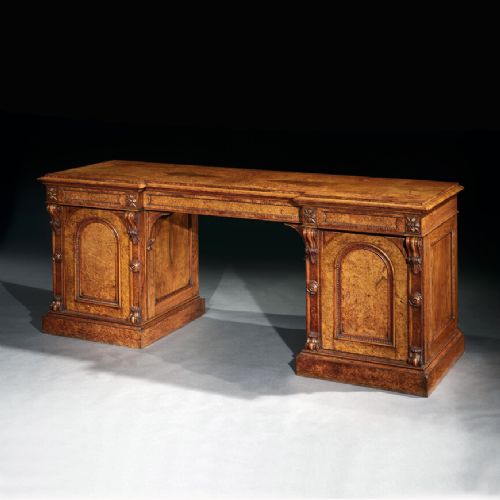
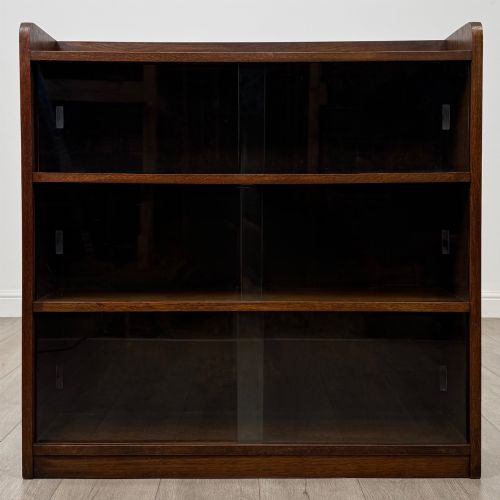
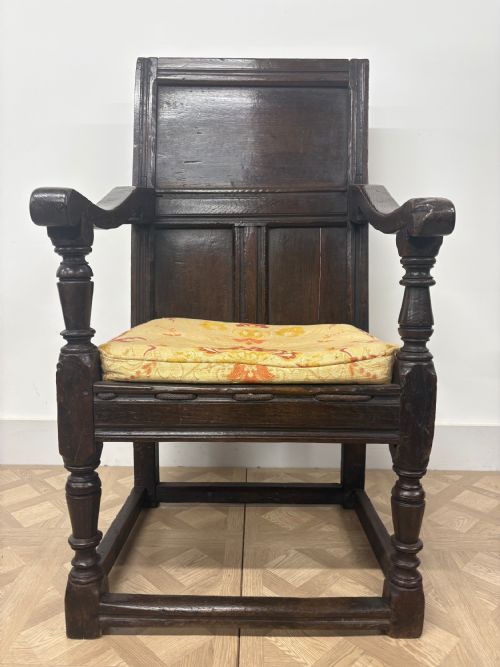
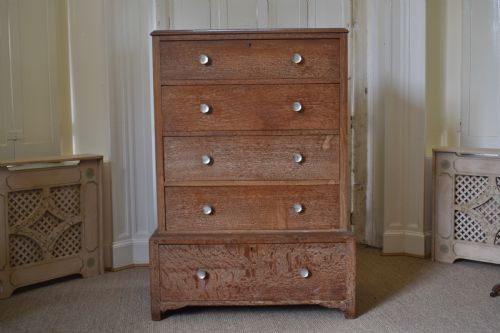
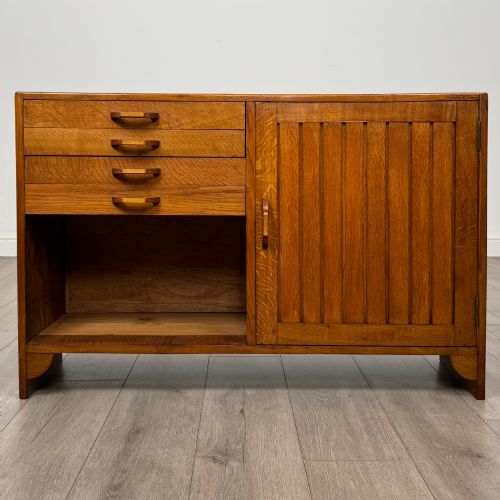
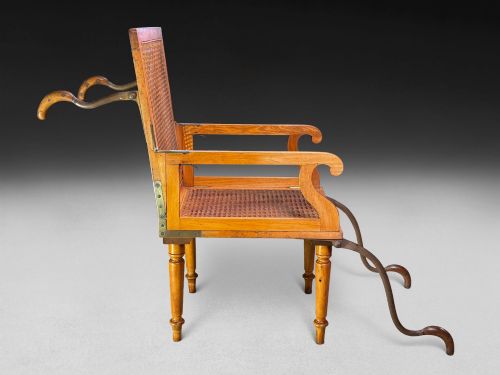
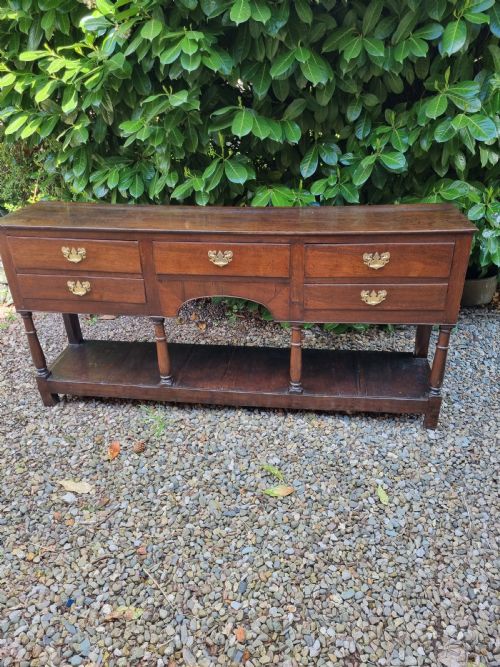
The selections on this page feature robust chests of drawers, tambour door filing cabinets, armchairs, and sideboards originating from periods including the seventeenth, eighteenth, and twentieth centuries. These pieces reflect shifting domestic needs through centuries of woodworking tradition.
Buyers are most likely to meet Edwardian and 1930s variations alongside earlier Georgian and seventeenth-century forms on this page. Each piece demonstrates how solid timber was shaped to serve specific household functions over generations.
Evaluating quality and craftsmanship
The distinction between tiers of quality rests upon the selection of timber figures, such as pollard oak or burr elm veneers, and the precision of the underlying joinery. Superior examples demonstrate careful matching of grain patterns across prominent surfaces and doors.
Structural integrity and the retention of original hardware, handles, and maker labels elevate certain items above standard utilitarian pieces. Patina developed through age also dictates the visual depth of the timber.
Mid Century Oak Furniture Retail Price Guide 2026
Typical asking prices for mid century oak furniture among the pieces listed under this phrase on Sellingantiques today, from the lower quarter to the upper quarter. They describe what is for sale here now, not the wider market.
Listings feature oak combined with auxiliary materials including brass, iron, glass, fabric, and leather across multiple centuries.
Crown Furniture·Heals·James Winter And Sons·Phoenix Gallery·Gordon Russell
The Mid Century Oak Furniture Glossary
- Tambour door
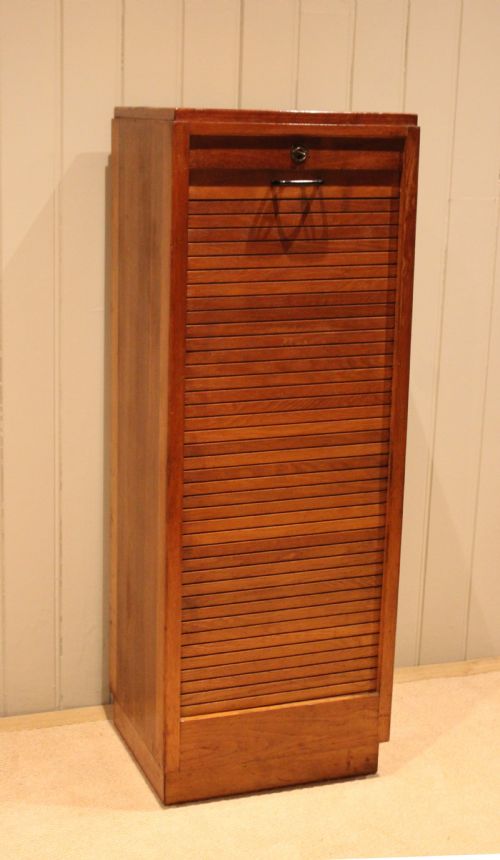
- A flexible door constructed from narrow vertical strips of wood glued to a canvas backing, allowing it to slide smoothly around a curved track. This mechanism is frequently found on filing cabinets and sideboards.
- Joint stool
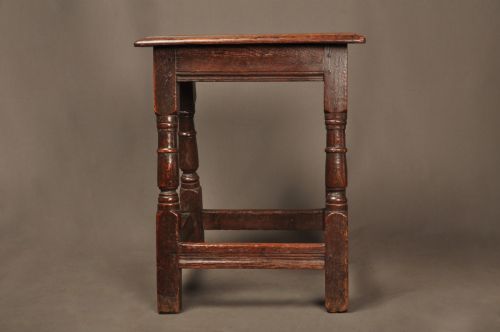
- A sturdy, mortise-and-tenon framed wooden stool constructed by seventeenth-century joiners. These items served multiple household seating and small table functions.
- Pollard oak
- Timber harvested from trees that have been pollarded, resulting in dense, clustered growth rings and distinctive decorative burr patterns. Cabinetmakers utilised this wood for high-end decorative surfaces.
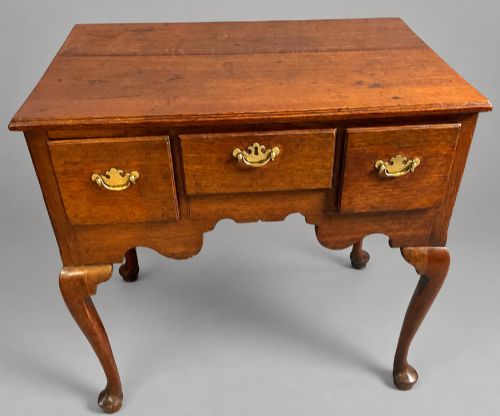
- Lowboy
- A small oak or walnut table featuring one or more rows of drawers beneath the top surface, popular during the eighteenth century. They typically served as dressing or side tables.
Mid Century Oak Furniture: Frequently Asked Questions
How do I identify seventeenth-century oak furniture?
Seventeenth-century pieces typically display pegged mortise and tenon joints, hand-carved panels, and heavy timber construction without modern mechanical fasteners. They often take the form of coppers, joint stools, or wainscot armchairs.
Makers of this era relied on quarter-sawn oak, which produces distinctive medullary rays across the surface grain. The lack of standard industrial machinery leaves subtle hand-tooled marks throughout the construction.
Where were tambour cabinets used?
Tambour front cabinets and desks were utilised primarily in offices, libraries, and studies for efficient document filing. The sliding slat door saved valuable floor space compared to traditional swinging doors.
By the early twentieth century, these units became standard commercial furniture for organising paperwork. Their flexible wooden tracks required precise carpentry to ensure smooth daily operation.
How should I care for vintage oak surfaces?
Protect vintage oak surfaces by keeping them away from direct heat sources and fluctuating humidity levels to prevent timber splitting. Regular dusting with a soft cloth maintains the natural finish without requiring heavy polishes.
Applying occasional appropriate wax preserves the historic patina developed over decades of use. Avoiding synthetic sprays ensures the timber breathes naturally.