

Mid Century Landscape Artwork
Mid century landscape artwork brings the open air, coastal towns and industrial cities of the twentieth century directly onto the wall through oil and watercolour.
Mid Century Landscape Artwork
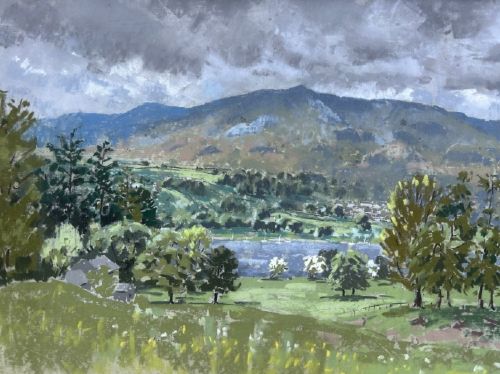
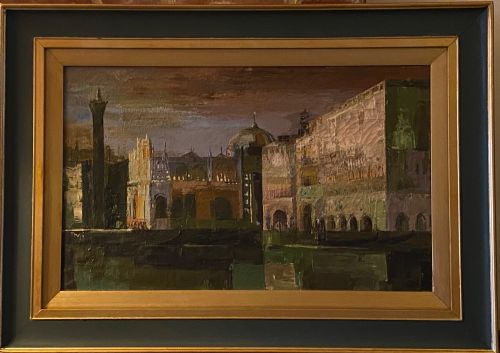
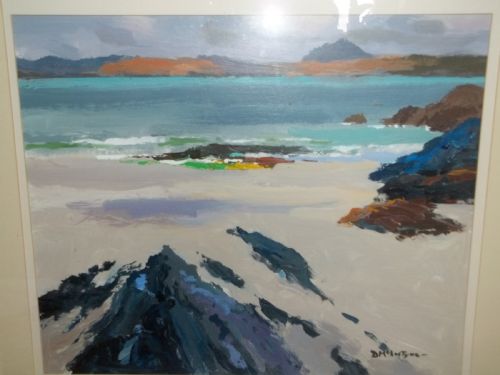
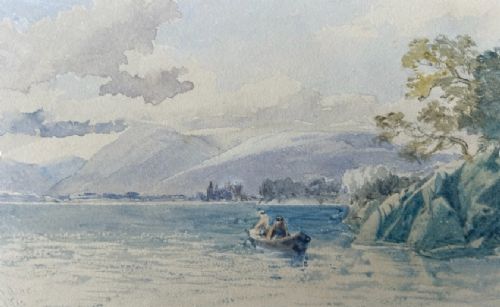
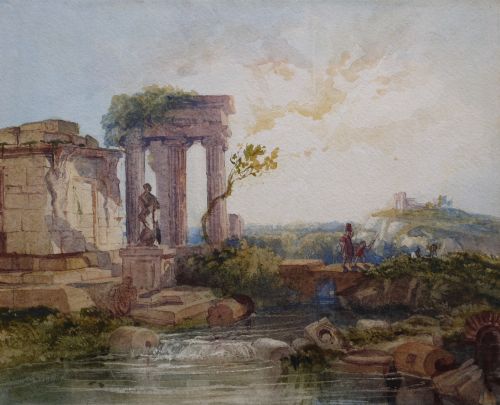
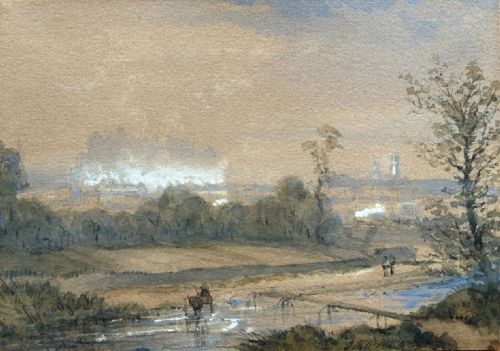
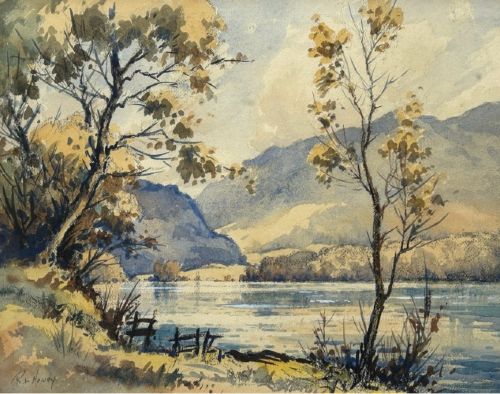
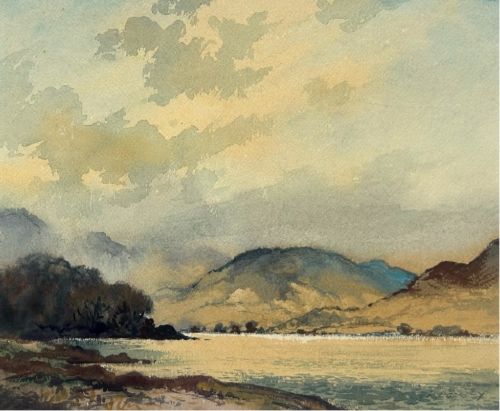
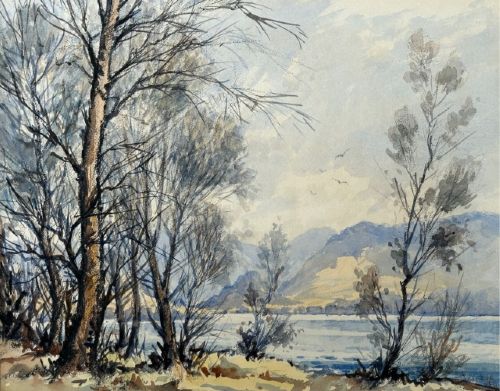
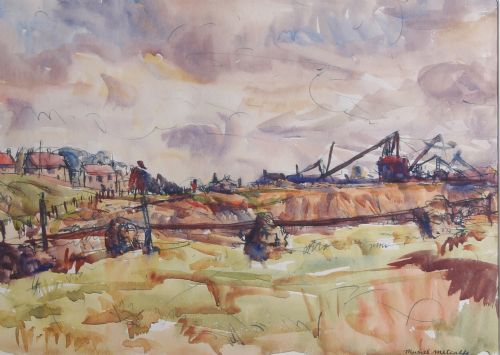
Mid century landscape artwork captures views ranging from Cumbrian lakes and Scottish lochs to bustling Parisian street scenes and Sicilian harbours. These paintings and drawings record the topography and changing light of the countryside and urban centres during the decades spanning the mid twentieth century. Buyers encounter everything from en plein air coastal studies to detailed architectural watercolours.
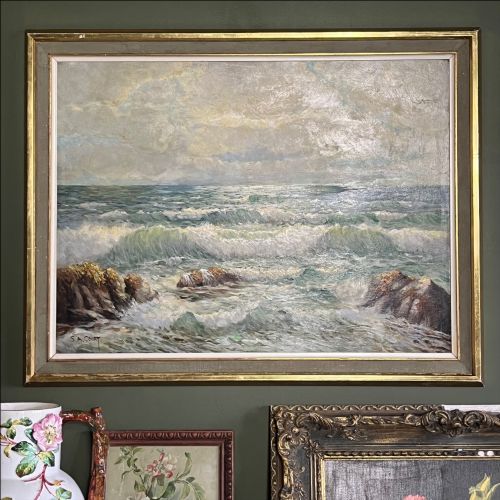
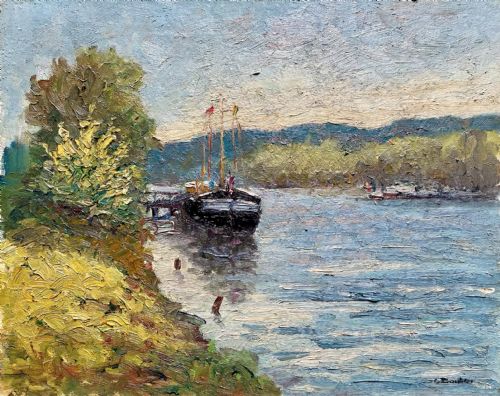
The versions most commonly met on this page are mid twentieth century oil paintings on board or canvas, alongside watercolours and ink drawings on paper. Creators worked within styles such as Mid-Century Modern, Modern British and Post-Impressionism to interpret natural and built environments. Pieces often display signatures from British, European and international hands active across the era.
How They Were Made
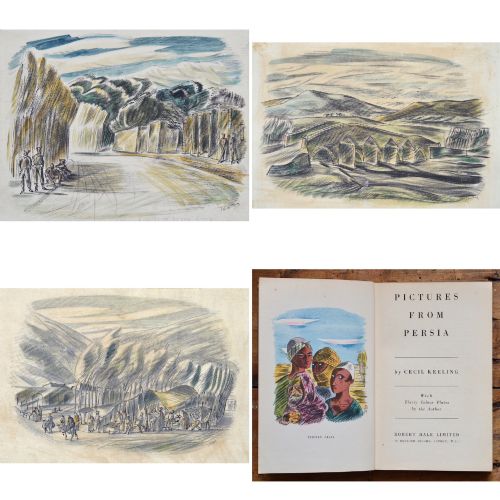
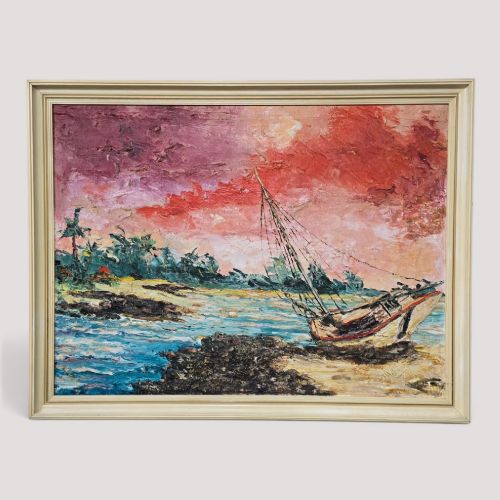
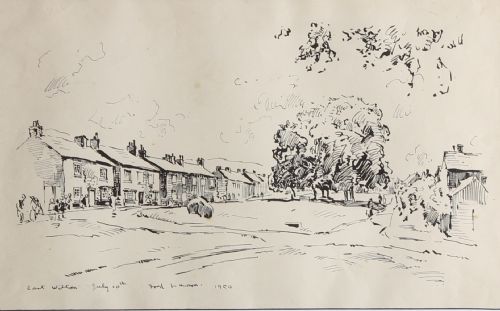
Artists applied oil paint, watercolour and ink across supports including stretched canvas, wooden board and heavy paper. Painters worked en plein air or in studios, using brushes and impasto techniques to build texture and depth on the surface. Drawings combine ink work with washes of colour to map out topographical scenes.
Frames play a structural role in presenting these works, utilising vintage gilt wood and simple mouldings to enclose the canvas or paper. Materials remain true to their mid twentieth century origins, showing the distinct handling of oil, canvas and board by individual painters.
Listings feature works executed in oil, watercolour, ink and woodblock print across the nineteenth and twentieth centuries.
What Varies in Quality
Quality rests upon the confidence of the brushwork and the artist's command of light, tone and composition within the landscape. Stronger pieces demonstrate a decisive handling of paint or ink that captures the atmosphere of a location, whether a northern townscape or a quiet harbour.
The vitality of the mark making and the cohesion of the palette distinguish accomplished works from routine topographical sketches. Selection depends on how effectively the maker translates the specific character of the terrain onto the canvas or paper.
Kenneth Cozens·Thomas Miles Richardson Jnr·Richard Principal Leitch·John R Prentice·Sidney A Court·Robert Leslie Howey·Muriel Metcalfe·Fred Lawson·Antonio DeVity·Clive Browne·Peter Brannan·Paul Bret·James Fry·Cyril Walduck Edwards·Eric Brown·Willem Bos·Christine Nesbit·Donald McIntyre·L De Gent·Erich Mercker·Henry de Waroquier·Stuart Walton·Lilian Colbourn·Fred Yates·Ronald Ossory Dunlop
The Mid Century Landscape Artwork Glossary
- En plein air
- Painting outdoors to capture direct observations of light and atmosphere. This method produces lively brushwork influenced by immediate weather conditions.
- Impasto
- Paint applied thickly to a canvas or board so that it stands out from the surface. This technique adds tactile dimension and visible texture to vegetation, water or buildings.
- Post-Impressionism
- An art movement extending beyond Impressionism while retaining its use of vivid colours and thick application. Artists prioritised emotional response and structural form over purely naturalistic rendering.
- Watercolour
- Paint consisting of pigment suspended in a water-soluble vehicle, applied to paper. It allows for translucent washes and delicate shifts in tone.
Mid Century Landscape Artwork: Frequently Asked Questions
How do I hang a mid century landscape painting?
These works suit placement at eye level in living spaces, studies or hallways where adequate lighting can highlight the brushwork. Using sturdy picture hooks matched to the weight of the wooden frame ensures secure wall placement.
Keeping paintings away from direct sunlight and excessive moisture protects the canvas, board and paper over time. Simple picture wire fixed firmly to the original frame backing allows for straightforward hanging.
What subjects appear in mid century landscapes?
Subjects span rural vistas, mountain lakes, industrial towns, coastal harbours and continental street scenes. Artists recorded both untamed countryside and the built environment during their travels.
Urban scenes focus on bridges, town halls and canals, while rural views capture trees, hills and coastal shores. Each subject reflects the specific geographic interest of the individual painter.
How do I identify a watercolour from an oil painting?
Watercolours are executed on paper beneath glass, displaying translucent washes and delicate linework where the paper texture shows through. Oil paintings feature opaque pigments applied to canvas or rigid board with noticeable depth and sometimes textured impasto.
Oils do not require glass protection and present a heavier surface texture compared to works on paper. Examining the support and surface sheen clarifies the medium used.
Are these artworks original paintings?
The selection comprises original hand-painted works and unique drawings created directly by the artists. Each piece represents a singular creative effort rather than a mass-produced reproduction.
Signatures, brush textures and individual application methods confirm the hand of the maker on canvas, board or paper. This direct execution gives every artwork its individual character.