
Mid Century Glass
Mid century glass brings together sculptural bowls, lighting and decorative objects that define the aesthetic of the period.
Mid Century Glass
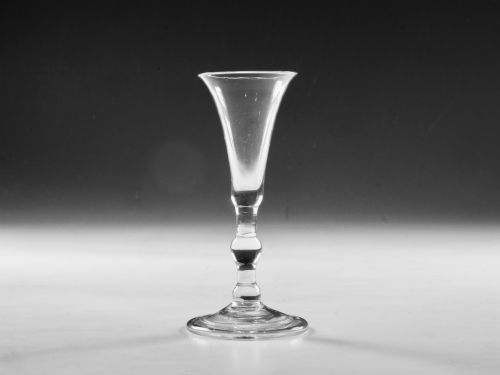
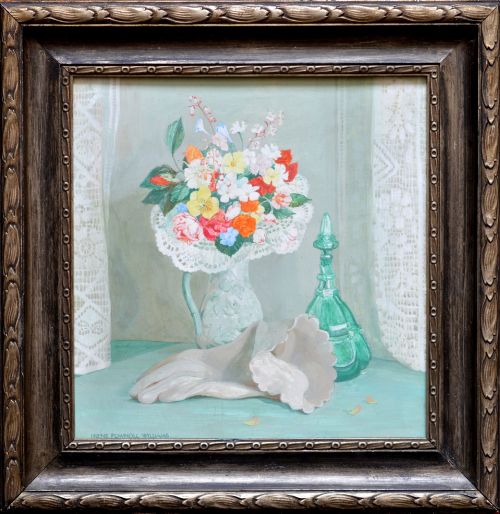
Mid century glass encompasses functional and decorative objects created during the middle decades of the twentieth century, alongside earlier glass vessels and lighting that share similar modernist or decorative sensibilities. Collectors encountering this phrase will find a diverse mix of items ranging from Italian art glass bowls to amber glass lamps and French opalescent vases.
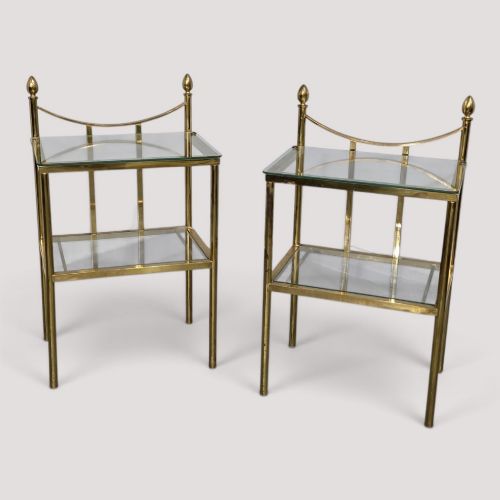
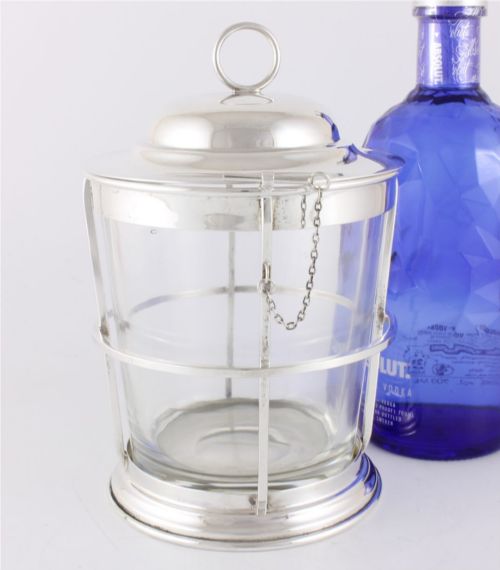
The selection ranges from utilitarian drinking vessels and decanters to significant sculptural centrepieces and lighting fixtures. Pieces often incorporate mixed media, pairing glass with brass, chrome or silver plate to create functional items for domestic interiors.
Materials and production techniques
Production relies on traditional hot-glass working methods, including free-blowing, mould-blowing and cutting, utilised by skilled artisans in established European glassmaking centres. Lead crystal, clear glass and coloured varieties such as amber, turquoise and opaline provide the primary material substance for these objects.
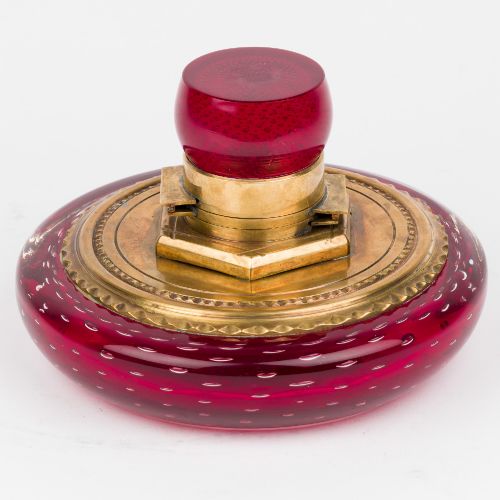
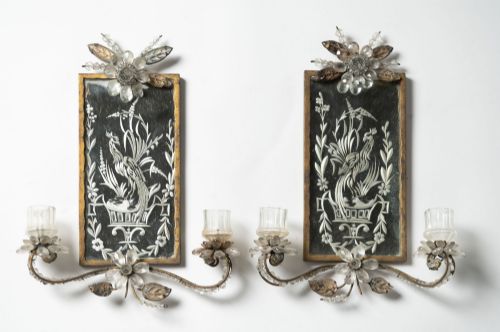
Makers frequently combined glass with metalwork elements, mounting bowls and shades in brass, silver plate or gilt bronze structures. Surface decoration involved engraving, etching and applied glass canes to achieve texture and visual depth.
Assessing quality and execution
Quality rests upon the purity of the metal, the precision of the cut or moulded form, and the sophistication of the design. Superior examples exhibit balanced proportions, absence of internal flaws, and crisp detailing in any associated metal mounts or engraved motifs.
The reputation of the designer or studio heavily influences standing, with documented pieces from notable glassworks commanding greater attention. The integration of glass with secondary materials like brass or ormolu further distinguishes finer decorative objects from standard production.
Venini·Hermes Paris·Maison Baguès·Maison Jansen·Romeo Rega·Lalique
The Mid Century Glass Glossary
- Airtwist
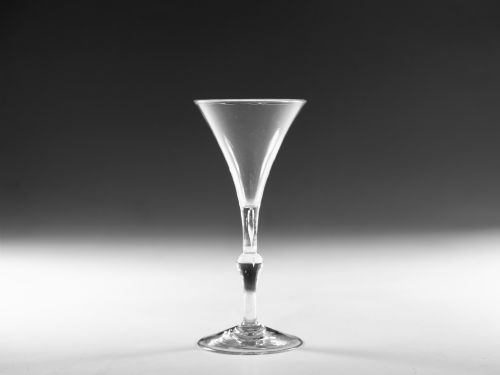
- A glass stem containing elongated internal air bubbles twisted into a spiral thread. This technique was popular in eighteenth-century drinking glasses.
- Opaline glass
- An opaque or semi-translucent glass, often found in white or pastel shades, popular in nineteenth-century decorative objects and lighting.
- Rummer
- A large, heavy drinking glass with a short stem and a capacious bowl, used for beer, wine or punch during the eighteenth and nineteenth centuries.
- Sweetmeat glass
- A small, elegant pedestal glass designed for serving sweetmeats, nuts or small confectioneries at the end of a meal.
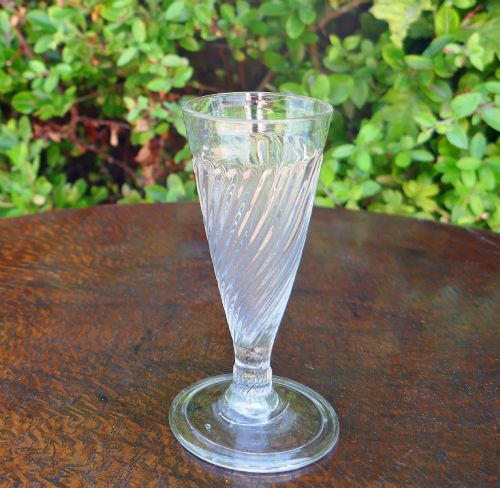
- Wrythen
- A decorative spiral pattern moulded into the body or stem of a glass vessel, creating a subtle twisted optical effect.
Mid Century Glass: Frequently Asked Questions
Are these pieces suitable for daily use?
Many decorative items, such as vases and display bowls, serve best in static settings where they face minimal risk of impact. Drinking glasses and decanters from earlier eras can be used carefully, though hand washing remains essential.
Heavier sculptural pieces and lighting require secure placement on stable surfaces. Assess the structural integrity of any combined metal and glass fittings before regular deployment.
How can I distinguish mid-century glass from older periods?
Mid-century pieces typically feature streamlined modernist forms, experimental colours like turquoise or amber, and associations with specific post-war designers and studios. Older glass from the eighteenth and nineteenth centuries often displays heavier lead content, hand-cut facets, and traditional shapes like rummers or airtwist stems.
Examining the base for pontil marks, wear patterns, and manufacturing signatures helps clarify the chronological origin. Comparing stylistic markers against documented examples provides further confirmation.
What is the best way to display glass lighting and objects?
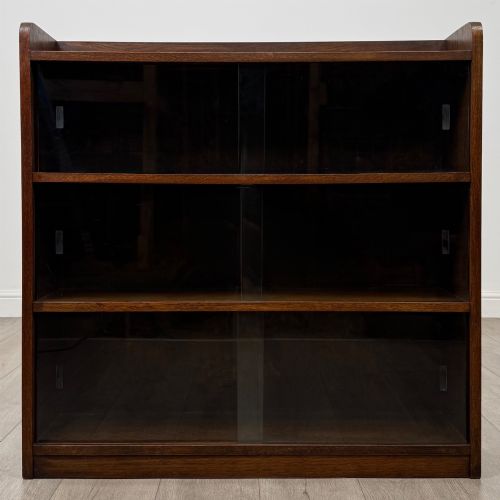
Position glass objects near natural light sources or dedicated display lighting to highlight transparency, colour variations, and surface textures. Cabinets with glass shelves allow light to pass through multiple pieces simultaneously.
Ensure that lamps and chandeliers receive proper electrical installation by a qualified professional to meet current safety standards. Distribute weight evenly when placing heavy glass bowls on tables or shelves.