

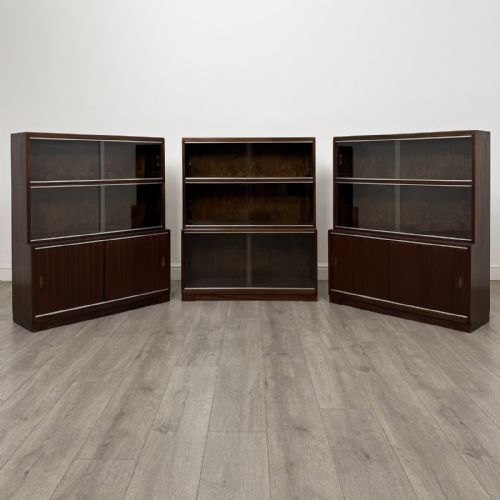


Mid Century Glass Set
A mid century glass set brings striking form and functional clarity to a modern room.
Mid Century Glass Set
A mid century glass set encompasses various grouped items spanning glassware and decorative accessories from the middle of the twentieth century and earlier periods. These collections typically feature matching vessels or service items designed for display and utility in the home.
Buyers frequently encounter diverse groupings that range from nineteenth-century drinking vessels and ice plates to twentieth-century silver-mounted condiment sets and display cabinets. The selection on this page reflects varied production dates stretching back through the Victorian era.
Vessels and containers form the core of these listings, often accompanied by complementary materials like sterling silver or brass. Each assembly offers a distinct glimpse into historical dining and desktop customs.
Materials and construction
Glass production relies on traditional free-blown techniques and lead crystal formulations to achieve clarity and weight in plates, tumblers and wine glasses. Makers shaped these items while molten before cooling and occasionally cutting the surface.
Metal components such as sterling silver and brass provide structural mounts, lids and fitted rims for glassware and desk accessories. Artisans combined these elements with wooden frames in mahogany, tortoiseshell or coromandel.
Inlay work and careful cabinetry secure glass panels within sliding door bookcases and display units. These varied fabrication methods unite durable materials with decorative finesse.
Mid Century Glass Set Retail Price Guide 2026
Typical asking prices for mid century glass set among the pieces listed under this phrase on Sellingantiques today, from the lower quarter to the upper quarter. They describe what is for sale here now, not the wider market.
The selection includes diverse object types ranging from wine glasses and desk stands to display cabinets and wall mirrors.
Quality and craftsmanship
Superior sets demonstrate exceptional clarity in the glass and precise uniformity across matching items like plates or tumblers. Finely executed metal mounts and secure fitted elements elevate the overall standard of an assembly.
The integration of secondary materials such as tortoiseshell inlay or sterling silver hallmarks indicates higher grade production standards. Pieces that retain their original matched components command greater interest from discerning collectors.
ADIE BROTHERS·Phoenix Gallery
The Mid Century Glass Set Glossary
- Free blown
- Glass shaped by blowing air through a pipe into molten material without the use of a mould. This technique often results in subtle individual variations across a set.
- Lead glass
- Glass containing metallic oxide to increase brilliance, weight and resonance. It allows for deeper cutting and greater clarity.
- Tortoiseshell
- Material sourced from the shell of certain sea turtles, used historically for decorative veneering on desk stands and boxes. It is frequently paired with inlaid brass.
- Coromandel
- A dense, dark decorative timber imported from Asia, valued for rich grain patterns in nineteenth-century desk accessories and cabinetry.
- Sterling silver
- An alloy containing a high proportion of pure silver, commonly utilised for matched condiment sets, butter dishes and structural mounts.
Mid Century Glass Set: Frequently Asked Questions
What items make up a typical set?
Sets generally comprise multiple matching vessels, plates or desk accessories designed to be used or displayed together.
These groupings range from drinking glasses and ice plates to condiment containers and matching cabinets.
How should these glass pieces be cleaned?
Delicate glass items and those with metal mounts require gentle hand washing in warm water with mild detergent.
Avoid abrasive sponges or harsh chemical cleaners to preserve the surface finish and any silver components.
Are these sets intended for daily use?
Many sets, particularly nineteenth-century drinking glasses and plates, function well for special occasions or careful everyday dining.
Owners should handle older crystal and thin glass with appropriate caution during service.
How are different periods identified?
Dating relies on stylistic markers, manufacturing techniques, and occasionally official hallmarks stamped on silver mounts.
Victorian and mid-century items display distinct design characteristics respective to their eras of production.