

Mid Century Furniture
Mid century furniture encompasses practical wooden storage, seating and tables spanning multiple periods from the seventeenth to the twentieth century.
Mid Century Furniture
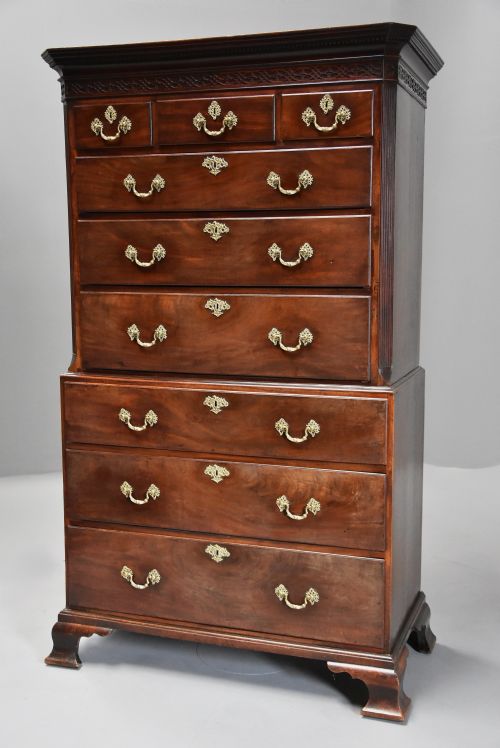
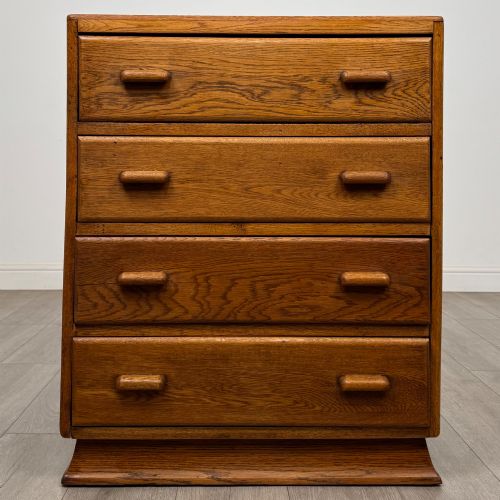
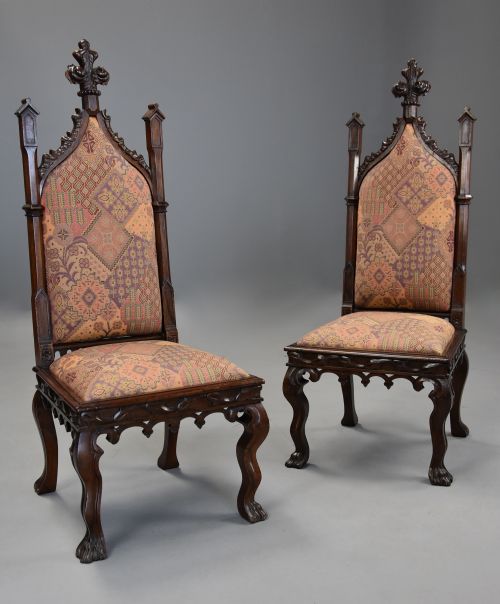
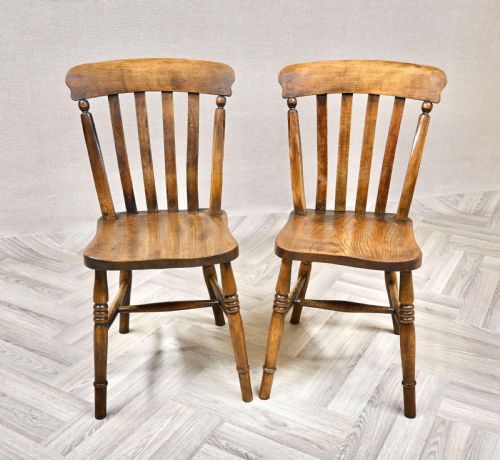
Mid century furniture covers a broad span of functional household pieces designed for daily utility and living space organisation. When browsing mid century furniture, buyers encounter items ranging from seventeenth-century oak armchairs and eighteenth-century walnut dining tables to nineteenth-century mahogany chests of drawers and twentieth-century limed oak storage.
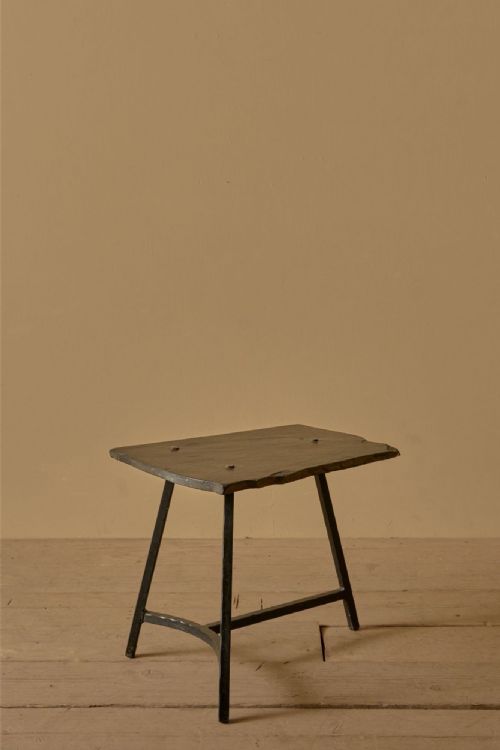
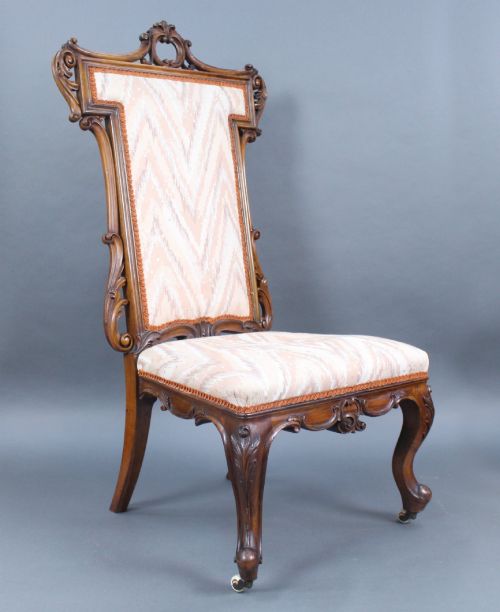
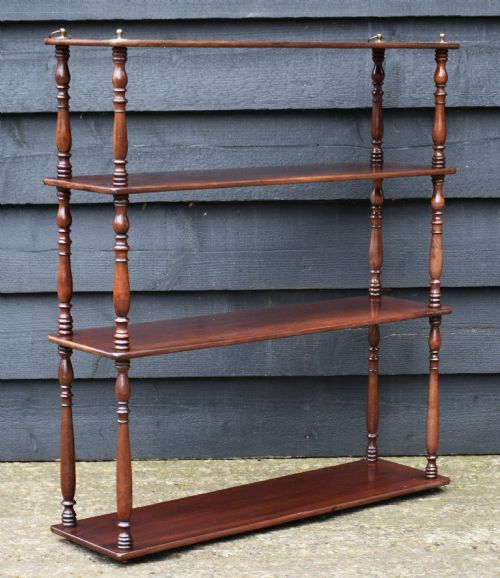
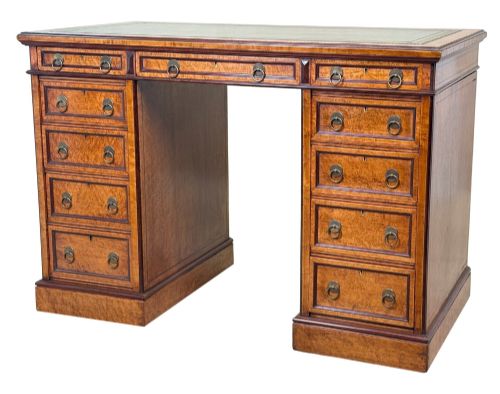
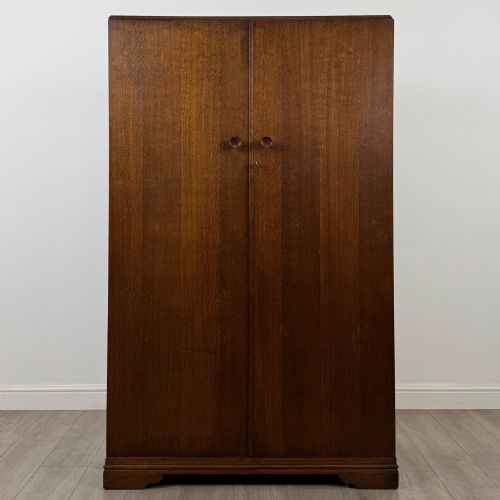
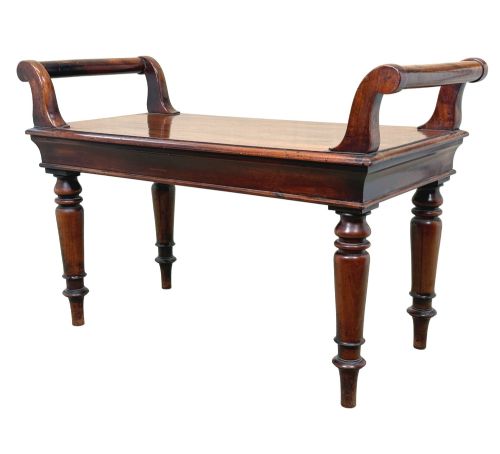
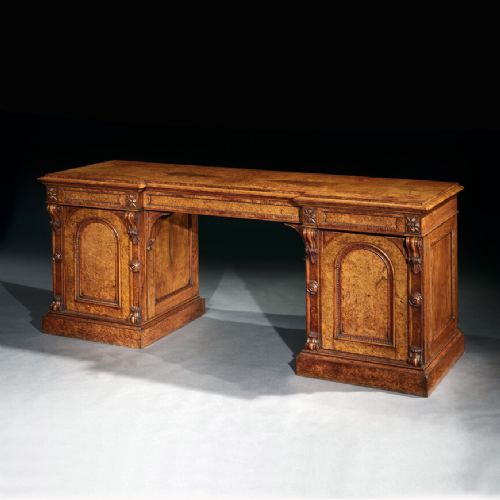
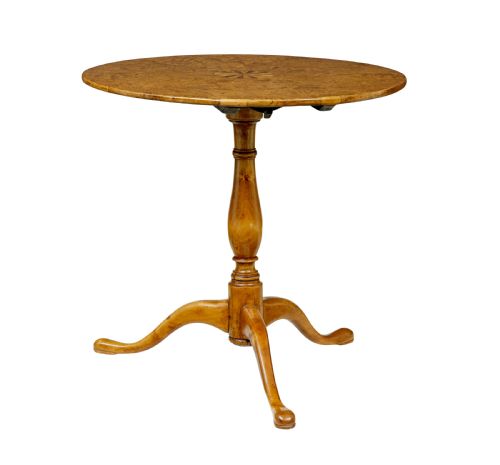
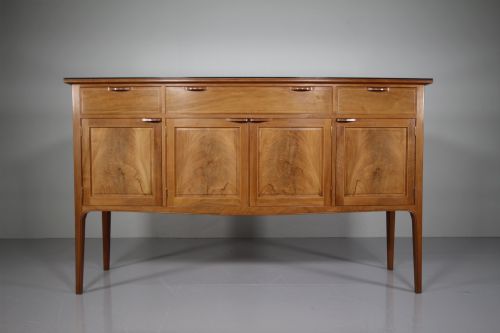
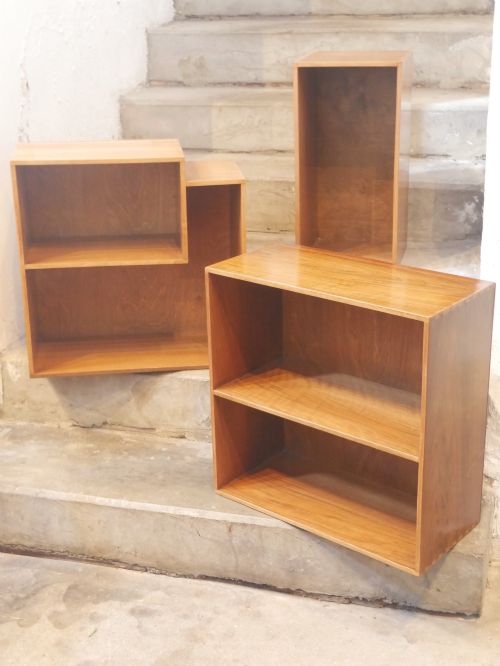
The selections on this page lean heavily towards nineteenth-century walnut and mahogany pieces alongside Edwardian oak storage and twentieth-century seating. Forms include side tables, bookcases, desks, dining tables, stools and wardrobes constructed across various stylistic traditions like Victorian, Georgian, Art Deco and Mid-Century Modern.
Buyers look for functional domestic items that bring historical character and robust timber construction into modern interiors. The range accommodates diverse room scales, offering compact occasional tables alongside grand proportioned dining furniture and extensive shelving units.
Materials and construction methods
Makers utilised dense hardwoods including mahogany, oak, walnut, rosewood and padauk, often finished with brass fittings, leather inserts or cane panels. Timber selection dictated the structural integrity and visual weight of each piece, whether dealing with solid ebony armchairs or parquetry surfaces.
Joinery techniques combined traditional framing with applied decorative elements such as burr birch veneers, ormolu mounts and hand-carved detailing. Surfaces received patination through polishing and waxing, preserving the natural grain of woods like pollard oak, birdseye maple and goncalo alves.
The inventory encompasses seating, dining tables, desks, and storage spanning the seventeenth, eighteenth, and nineteenth centuries.
Markers of construction quality
Superior quality manifests in the selection of figured timbers and the precision of the underlying joinery, separating standard utility items from pieces designed for formal reception rooms. The choice of solid woods like walnut or rosewood over secondary veneers indicates higher workshop standards.
Crown Furniture·Edward Barnsley·Heals·W.A. Willcocks·Hille
The Mid Century Furniture Glossary
- Campaign writing slope
- A portable desk designed for military officers, fitted with brass corners and internal compartments. These fold shut for travel while maintaining a stable writing surface.
- Wellington chest
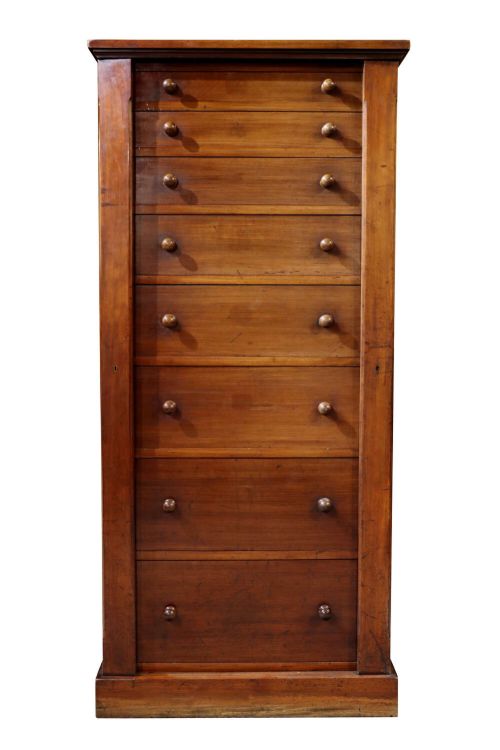
- A tall, narrow chest of drawers secured by a locking side pilaster bar. This mechanism holds all drawers shut simultaneously.
- Tambour door
- A flexible door constructed from narrow vertical strips of wood glued to canvas or leather backing. It slides smoothly along tracks to conceal shelving or storage compartments.
- Cwpwrdd tridarn
- A traditional Welsh three-tier press cupboard used for storing household provisions and linen. The upper sections often feature open spindles or panelled doors.
Mid Century Furniture: Frequently Asked Questions
How do I identify a nineteenth-century mahogany chest of drawers?
Examine the drawer construction and timber grain to determine the manufacturing period. Nineteenth-century examples often feature hand-cut dovetails and rich mahogany veneers over sturdy secondary woods.
Look for original brass handles and locks which match the period style. The presence of makers' stamps or labels inside the drawers can also confirm the era.
What is the difference between oak and walnut furniture?
Oak offers a heavy, coarse-grained texture with prominent medullary rays, used frequently in seventeenth and eighteenth-century English and Welsh vernacular pieces. Walnut provides a smoother, darker surface with intricate figuring, favoured for decorative seventeenth and eighteenth-century tables and cabinets.
Walnut pieces often incorporate veneers to showcase the grain, whereas early oak furniture relies on solid timber construction and pegged joinery.
How do I care for antique rosewood and mahogany?
Maintain timber surfaces by applying quality beeswax periodically to nourish the wood and preserve the natural patina. Avoid placing furniture in direct sunlight or near heat sources to prevent cracking and fading.
Dust regularly with a soft, dry cloth and avoid chemical sprays or excessive moisture which can damage polished finishes.