

Mid Century Female Painting
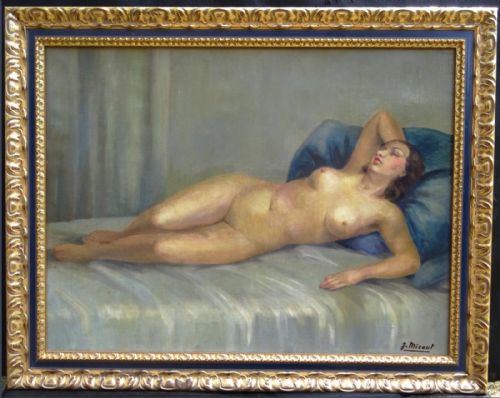
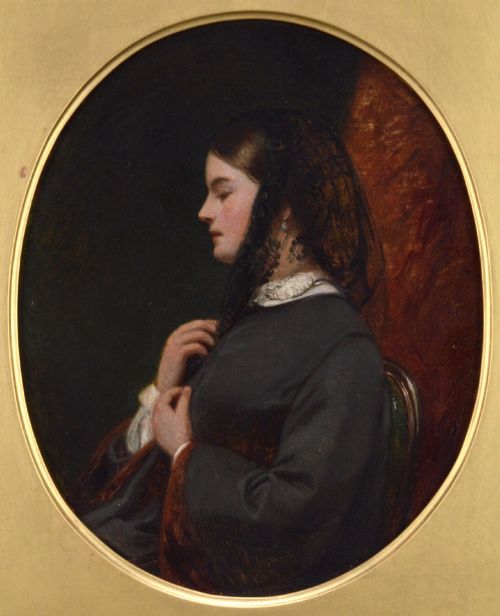
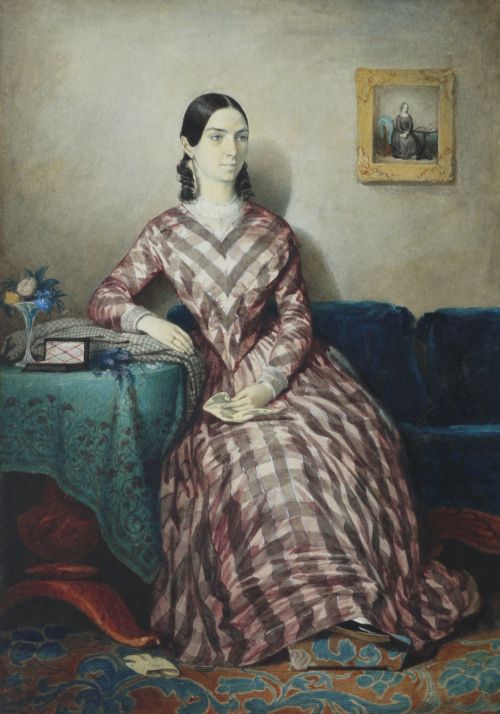
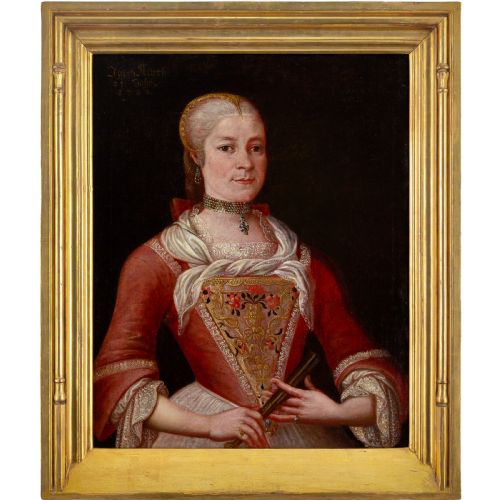
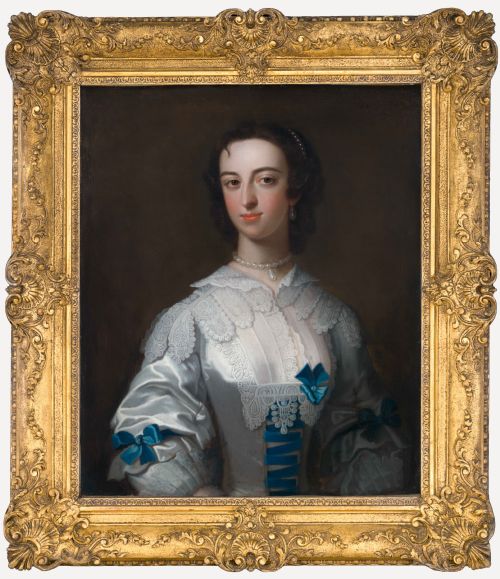
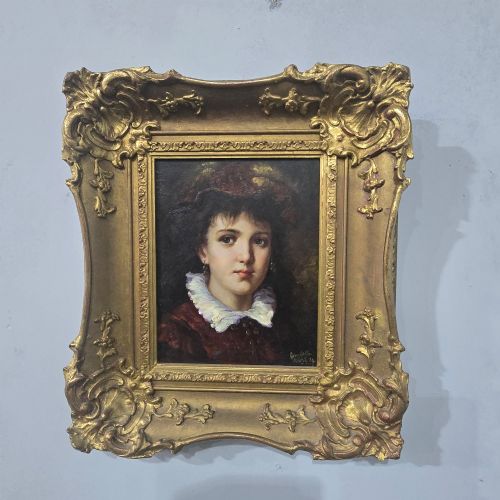
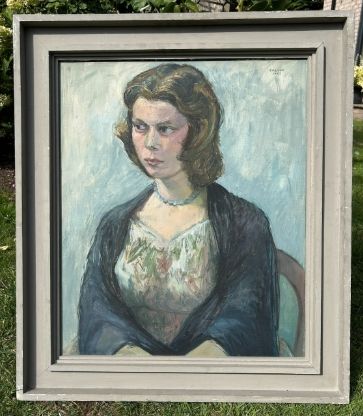
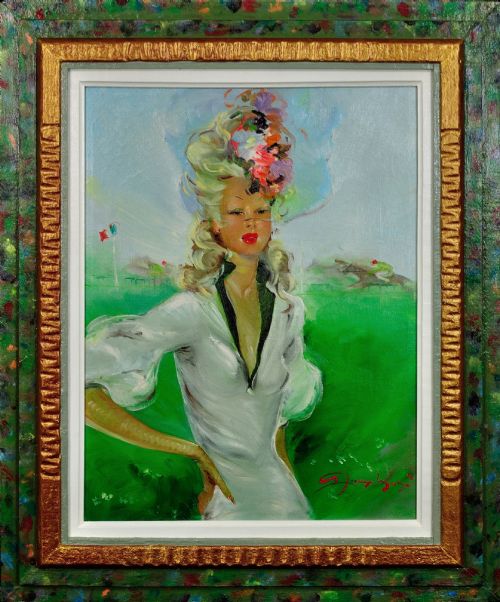
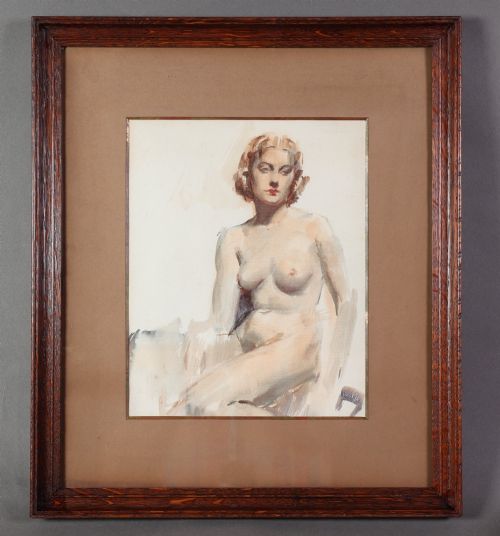
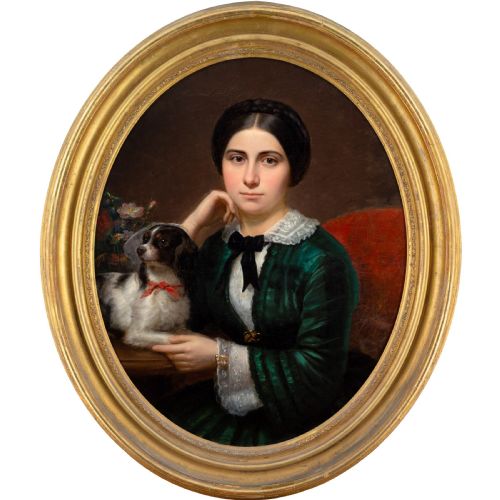
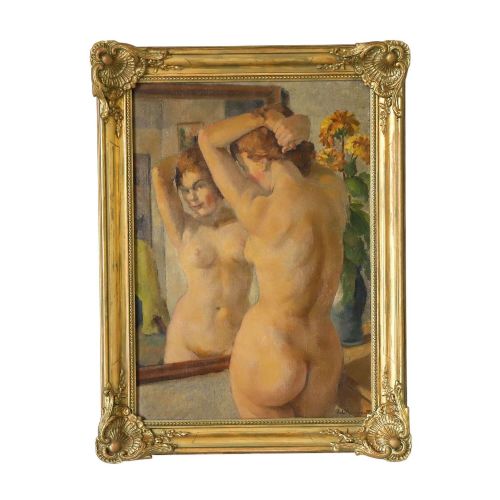
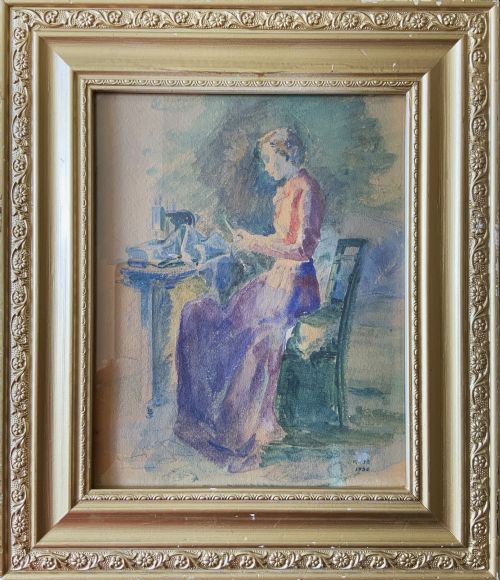
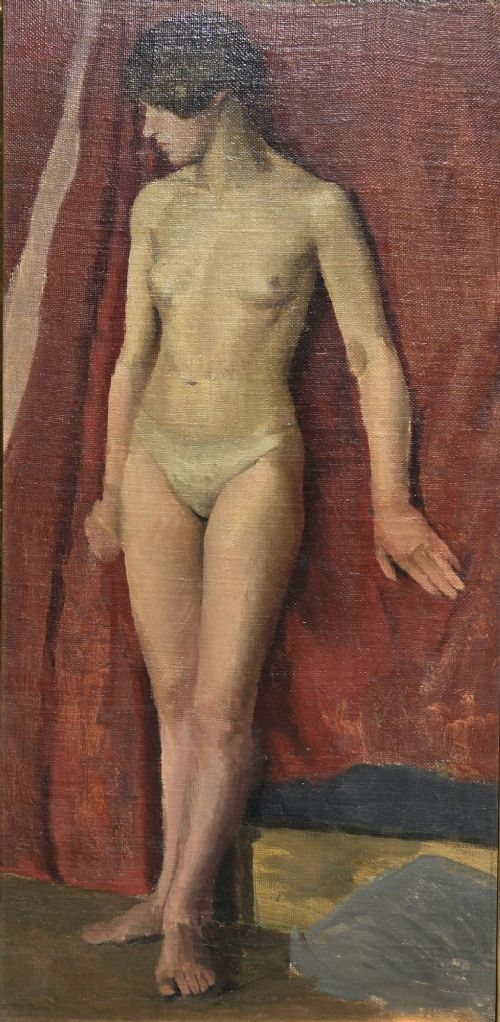
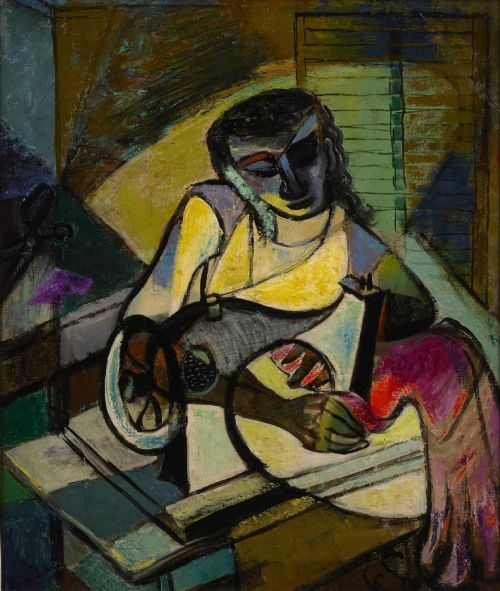
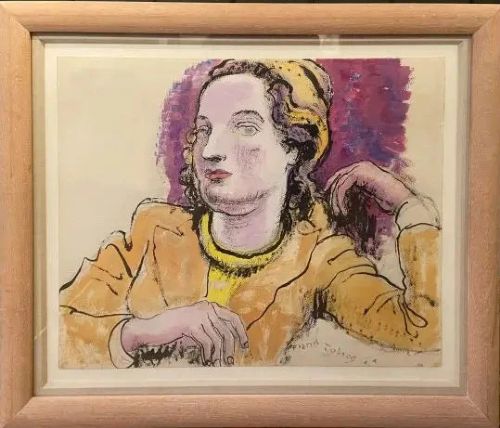
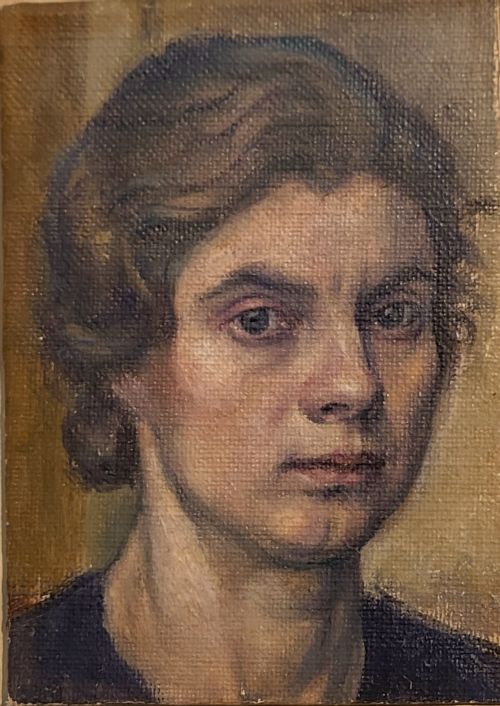
A mid century female painting captures women through portraiture and nude studies executed in oil, watercolour, and pastel across various modernist and traditional schools.
Mid Century Female Painting
When searching for a mid century female painting, buyers encounter works ranging from 1930s nudes and 1950s impressionist portraits to earlier eighteenth-century and nineteenth-century school pieces.
While mid-century modernist and expressionist styles dominate, the inventory also embraces earlier portraiture traditions spanning several centuries.
Materials and methods
Artists painted these works primarily using oil paint and watercolours applied to canvas, paper, wood panels, or board.
Many of the framed artworks incorporate traditional supports such as canvas laid on board and gilded frames embellished with gold leaf.
Draftsmanship techniques include pastel drawing and stipple work, showing the versatility of mediums utilised by portraitists and figure studies.
Mid Century Female Painting Retail Price Guide 2026
Typical asking prices for mid century female painting among the pieces listed under this phrase on Sellingantiques today, from the lower quarter to the upper quarter. They describe what is for sale here now, not the wider market.
Canvas, wood, and paper serve as the primary supports across British, French, and Italian school paintings.
Distinctions in quality
Quality in these paintings rests on the surety of the drawing, the handling of light and shadow, and the psychological depth of the sitter.
Works by listed academic painters or named regional schools demonstrate a superior command of composition compared to anonymous school pieces.
The preservation of the original pigment, canvas integrity, and period framing contribute significantly to the standing of an individual artwork.
Sir Allan Ramsay·Henry Pickering·Philippe de Rougemont·Attilio Toro·Mercedes Legrand·Philip Naviasky·Raoul Millais·Manuel Azpiroz·Yetta Kane·Raymond Arthur Roadnight
The Mid Century Female Painting Glossary
- Chiaroscuro
- The use of strong contrasts between light and dark, usually bold contrasts affecting a whole composition. This technique creates a three-dimensional volume on figures.
- Pastel
- A dry art medium in the form of a stick, consisting of powdered pigment and a binder. Artists utilise pastels for quick tonal studies and finished portraits.
- Provenance
- The chronology of the ownership, custody or location of a historical object. A documented history supports the attribution of works by named artists.
Mid Century Female Painting: Frequently Asked Questions
How do I date a mid century female painting?
Dating relies on stylistic clues, clothing, hair fashions, and the physical materials of the canvas and stretcher frame. Signatures, exhibition labels, and written annotations on the reverse also provide precise chronological markers.
Comparison with documented works by the same artist helps confirm the period. Historical context within the modernist movements further narrows the decade of creation.
Where should I hang a framed portrait painting?
These paintings suit principle living spaces, studies, or hallways where lighting can be controlled to prevent glare on the oil or glass surface. Placing them away from direct sunlight protects organic pigments and paper supports from fading.
Secure wall fixings suited to the weight of the frame and canvas are essential for safety. Grouping works by palette or period creates a cohesive display.
What is the difference between a study and a finished portrait?
A study is typically a preparatory work or a quick life painting intended to capture posture, lighting, or anatomy without the formal detail of a commission. Artists created these to explore form, often focusing on the figure alone.
Finished portraits generally include detailed clothing, backgrounds, and specific attributes identifying the sitter. Both forms hold equal artistic interest for collectors.
How do I care for antique oil and watercolour paintings?
Oil paintings on canvas require stable room temperatures and low humidity to prevent cracking of the paint layer. Dust should be removed gently with a soft, dry brush without applying pressure to the surface.
Watercolours and pastels must remain behind glass with conservation-grade mounts to prevent atmospheric damage. Professional conservators should handle any cleaning or structural repairs.