


Mid Century Candle Holders
These mid century candle holders bring sculptural forms and warm metal tones to a room, ranging from modernist silver creations to earlier brass designs.
Mid Century Candle Holders
Mid century candle holders encompass a diverse selection of lighting forms, from single candlesticks to multi-branch candelabras and chambersticks. Buyers searching this phrase encounter pieces spanning from the mid-eighteenth century up through the mid-twentieth century, despite the modern moniker.
The selection on this page leans heavily toward durable metal construction. Brass and sterling silver dominate the offerings, appearing alongside bronze, iron, and ormolu in various traditional and modernist configurations.
How They Were Made
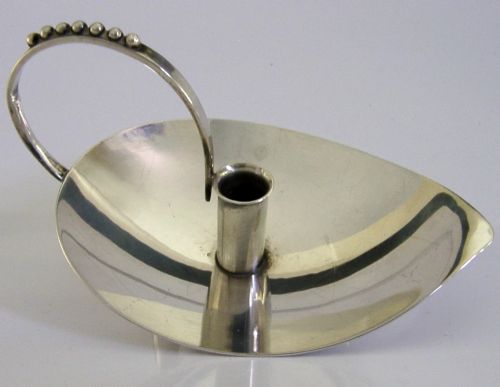
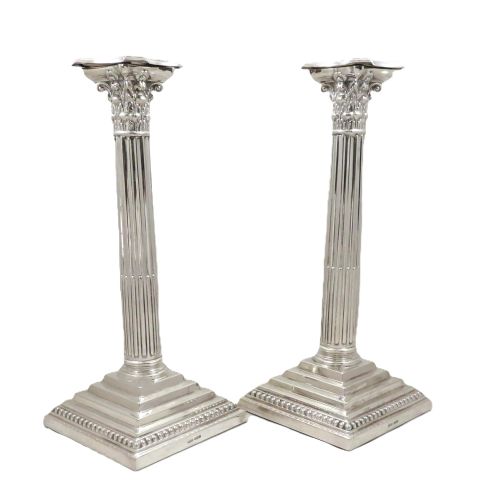
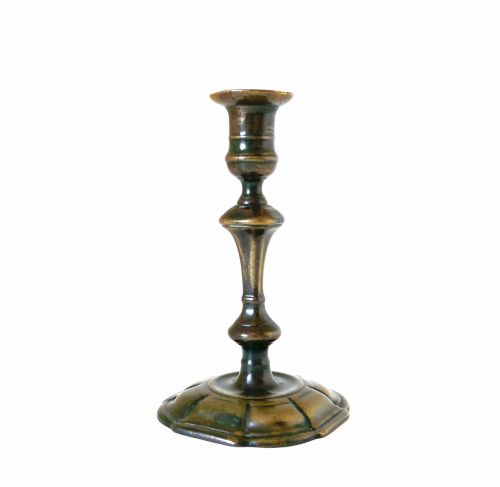
Metalworking techniques dictate the construction of these items, with seamed brass and cast bronze forming the backbone of earlier examples. Silversmiths utilised traditional hammering, casting, and hand-making methods to shape sterling silver into architectural columns and chambersticks.
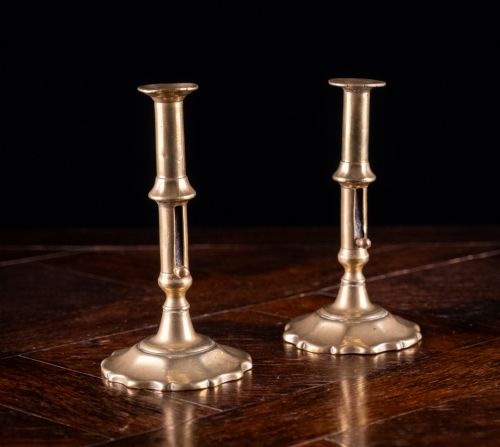
Finishes vary from patinated and gilded surfaces to polished silver and unadorned brass. Makers employed techniques such as ejector mechanisms within brass shafts and combined bronze with ormolu for decorative contrast.
What Varies in Quality
Superior quality rests in the crispness of the casting and the weight of the metal used in the body. Pieces featuring hand-made execution by noted makers display superior detail in architectural capitals and decorative motifs compared to standard production items.
The integrity of the construction, such as clean seams on brass sticks and proper hallmarking on silver pieces, dictates the standing of an individual holder. Surface preservation, whether through a patinated age or careful gilding, also contributes to the overall desirability.
Geoffrey Bellam·Liberty And Co·Elkington And Company
The Mid Century Candle Holders Glossary
- Chamberstick
- A low candle holder featuring a pan to catch dripping wax and a loop handle for carrying from room to room. These practical items often include a small cone snuffer.
- Candelabra
- A branched lighting fixture designed to hold multiple candles simultaneously. These pieces often feature a central shaft splitting into two or more arms.
- Ormolu
- Finely ground high-carat gold applied to a bronze base in a mercury gilding process. This technique provides a rich, golden surface finish.
- Paktong
- A copper-nickel-zinc alloy originating from China, resembling silver in colour. It was used in eighteenth-century lighting for its bright, durable metallic sheen.
Mid Century Candle Holders: Frequently Asked Questions
How do I clean antique brass candle holders?
Use a soft cloth to remove dust and debris without disturbing the underlying metal surface. Avoid harsh abrasive cleaners that strip away historical patina.
For stubborn residue, apply a mild soapy solution and dry thoroughly immediately afterward. Preserve the natural ageing by keeping polishing to a strict minimum.
Are these candle holders safe to use daily?
Most metal holders function reliably for everyday use provided they sit on a level surface. Ensure the candle fits securely in the socket to prevent tipping.
Extinguish candles before the flame reaches the metal rim to protect the holder. Keep wax removal gentle to avoid scratching the material.
What is an ejector candlestick?
An ejector mechanism uses an internal sliding stem operated by a small side knob. This clever design pushes the remaining stub of a candle up and out of the socket.
It makes cleaning out old wax remnants significantly easier without risking damage to the metal. This feature appears commonly on eighteenth-century and nineteenth-century brass examples.
How can I tell the difference between periods?
Examine the overall silhouette and decorative details for clues to the manufacturing era. Georgian and George II pieces often display cast brass or classical columnar styling.
Mid-century items tend toward modernist lines and silver-plated or sterling construction. Hallmarks on silver objects provide definitive dates and maker information.