


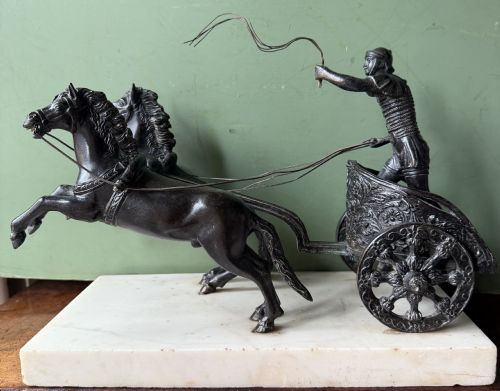


Mid Century Bronze Statue
A mid century bronze statue brings sculptural weight and classic animalier or neoclassical presence into a room.
Mid Century Bronze Statue
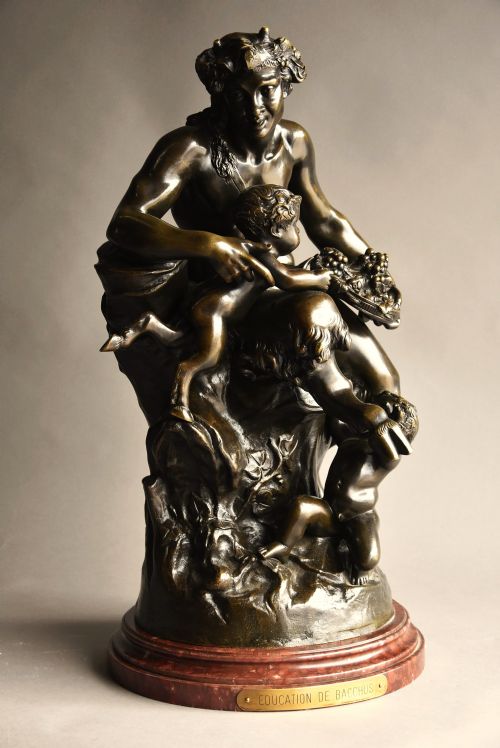
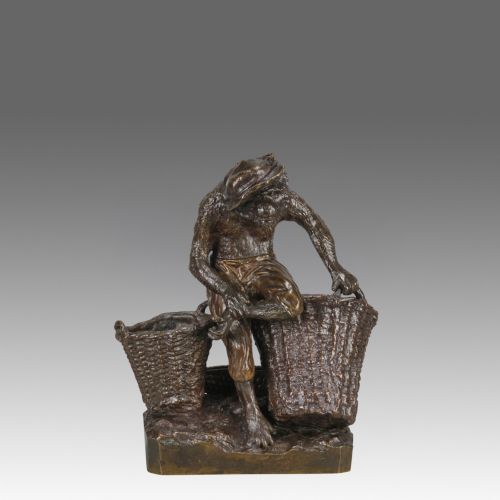
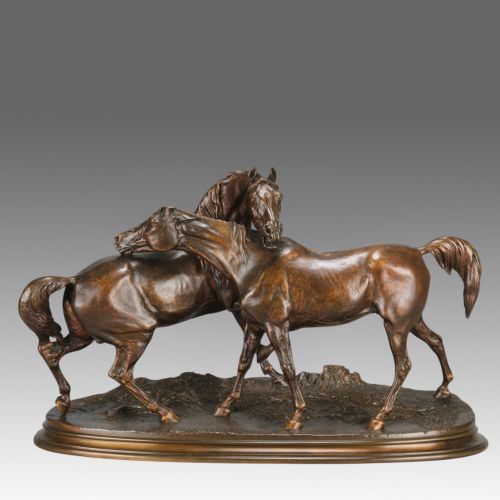
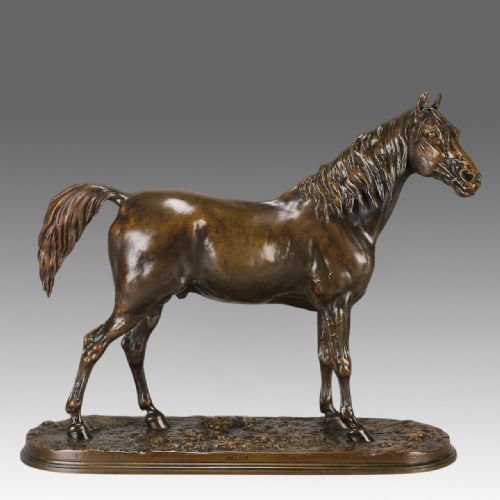
A mid century bronze statue encompasses figural groups, animal studies, and mythological subjects cast in metal, often mounted on stone bases. Buyers examining this category encounter works ranging from mid nineteenth-century French animalier studies to mid twentieth-century African and European pieces.
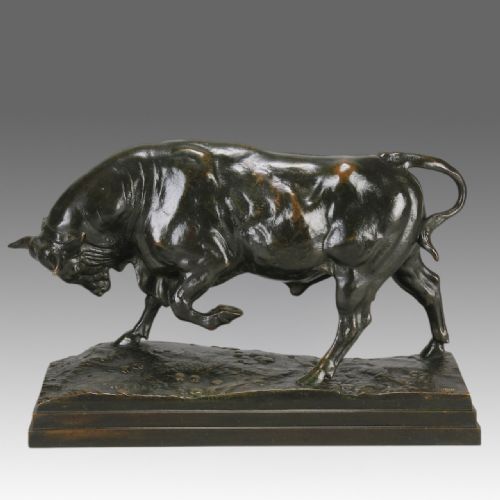
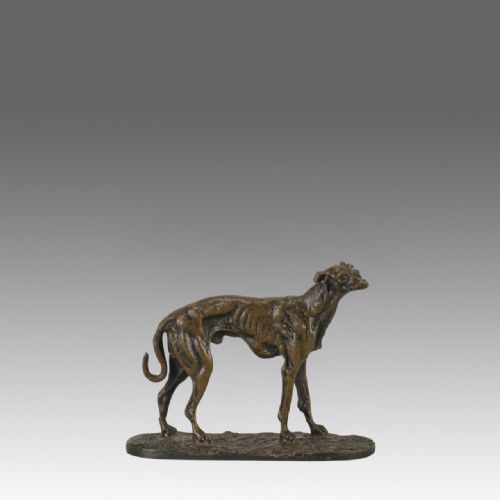
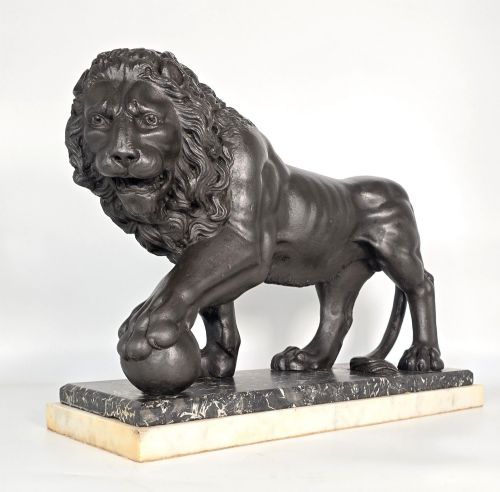
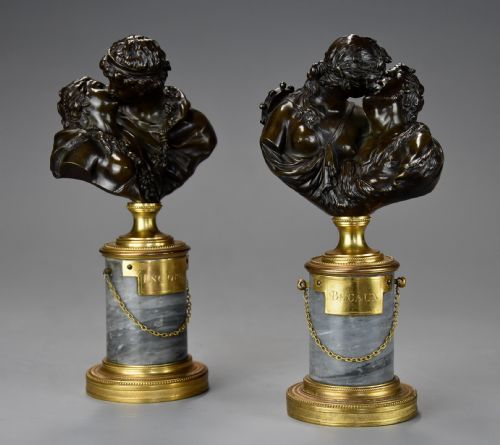
The selections span distinct periods and traditions, including Grand Tour souvenirs, French animalier school subjects, and neoclassical figures. Many examples depict animals such as lions, bulls, and hounds, alongside human figures, cherubs, and historical subjects.
Most pieces date from the nineteenth century onward, reflecting shifts in casting and design from classical revival to expressionist and outsider art forms. Collectors find everything from miniature tabletop figures to large sculptural groups and floor lamps.
Evaluating sculptural quality
Quality rests upon the crispness of the casting and the sensitivity of the chasing work done after the metal cooled. Finer pieces retain sharp anatomical definition in muscles, fur, and facial expressions without obscuring detail beneath heavy finish.
The integration between the sculpture and its plinth, such as a fitted marble base, also signals superior production. Superior examples demonstrate balanced proportions, careful patination, and clear fidelity to the original sculptor's intent.
Mid Century Bronze Statue Retail Price Guide 2026
Typical asking prices for mid century bronze statue among the pieces listed under this phrase on Sellingantiques today, from the lower quarter to the upper quarter. They describe what is for sale here now, not the wider market.
Musicians and horn blowers appear among the metalwork, alongside musical cherubs and a cellist rendered in plaster.
Claude Michel Clodian·Christophe Fratin·P J Mêne·Antoine Louis Barye·Jean Antoine Houdon·Edward Aagaard·François Christophe Armand Toussaint
The Mid Century Bronze Statue Glossary
- Animalier
- A nineteenth-century art movement focusing on the realistic depiction of animals, particularly lions, horses, and hounds. Sculptors in this tradition studied anatomy closely.
- Grand Tour
- Nineteenth-century travel souvenirs purchased by Europeans visiting cultural sites in Italy and Greece. These often included small bronze replicas of classical statuary and architecture.
- Ormolu
- Gilt bronze mounted onto furniture or used as decorative detail, created by applying finely ground gold mercury amalgam to bronze. The technique produced a rich, durable golden surface.
- Patinated Bronze
- Metal treated with chemicals or heat to produce a specific surface colour and tone. This finish protects the metal and highlights sculptural depth.
Mid Century Bronze Statue: Frequently Asked Questions
What is an animalier bronze?
An animalier bronze is a nineteenth-century sculpture focused on realistic animal forms. These works portray creatures like hounds, bulls, and stags in naturalistic poses.
Artists studied live animals to capture musculature and movement accurately. The French animalier school produced many of the most sought-after examples in this tradition.
What are Grand Tour bronzes?
Grand Tour bronzes are historical souvenirs collected during educational travels across Europe. They typically replicate classical monuments, lions, or mythological figures.
These pieces were often mounted on marble plinths. They allowed travellers to bring home tangible pieces of classical heritage.
How do I care for a bronze statue?
Bronze requires minimal maintenance to preserve its patinated surface. Dusting gently with a soft cloth prevents accumulation without harming the metal.
Avoid using chemical polishes or water, which can strip patination and damage delicate gilt or ormolu surfaces.
What is the difference between bronze and ormolu?
Bronze is a copper and tin alloy used to cast the primary sculptural body. Ormolu refers specifically to gilt bronze decorative elements.
Ormolu involves applying a gold finish to bronze mounts, adding a bright golden contrast to patinated dark metal.