

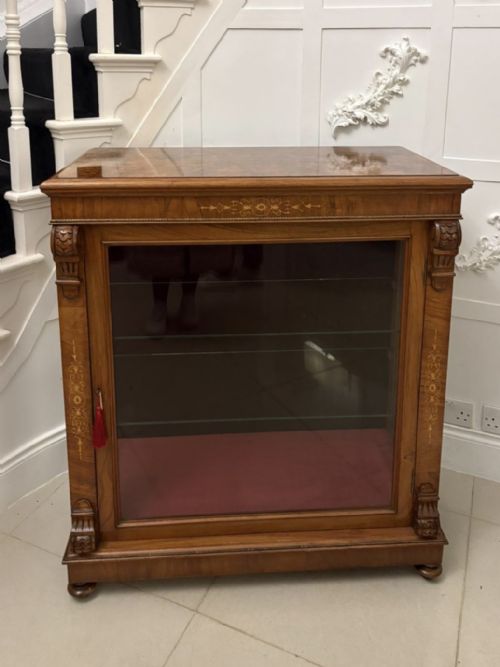


Mid Century Bookshelf
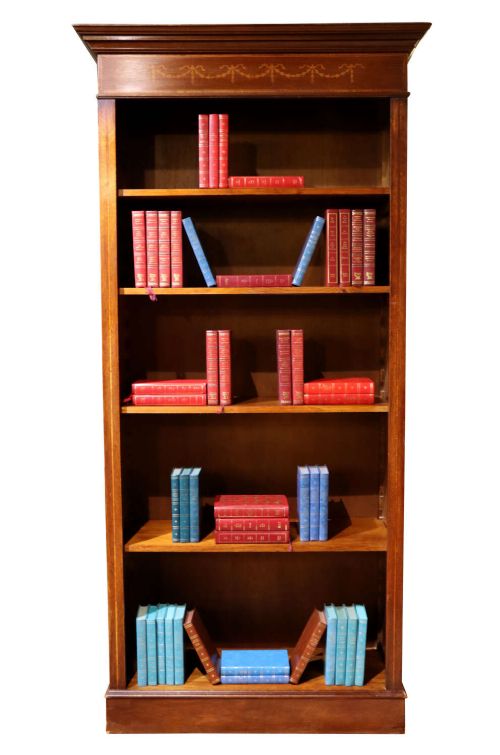
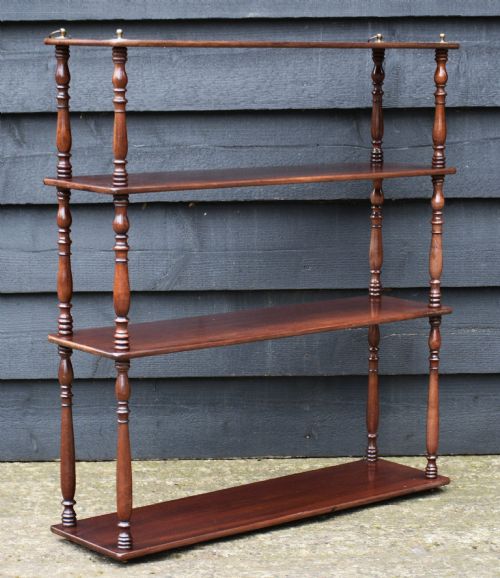
A mid century bookshelf brings practical storage and architectural warmth to a room, ranging from mahogany wall shelves to rosewood open bookcases.
Mid Century Bookshelf
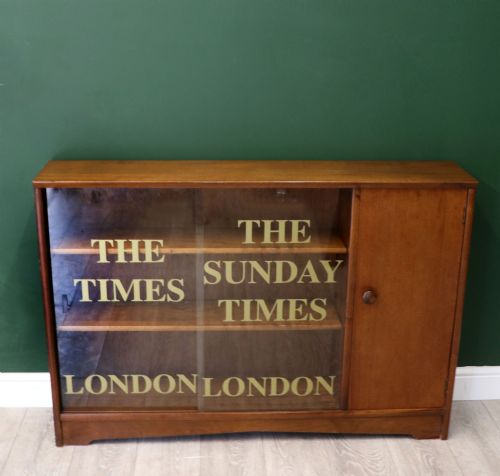
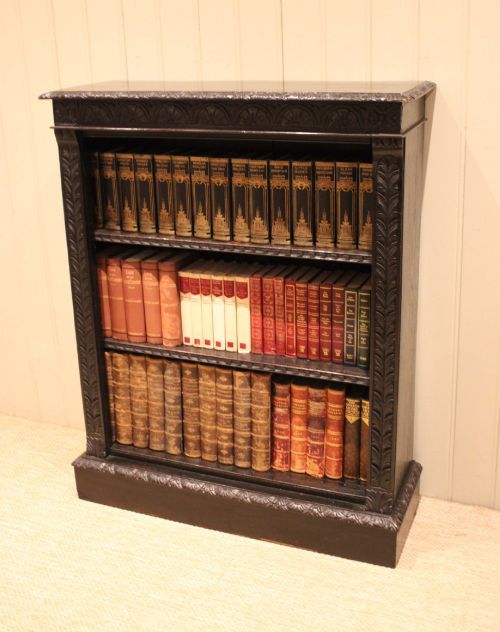
When you search for a mid century bookshelf, you encounter a selection of open bookcases, wall hanging shelves, and multi-tiered whatnots originating from the nineteenth and twentieth centuries. The pieces bridge functional storage and decorative display, drawing on Victorian, Art Deco, and French Riviera styles.
The assortment includes low bookcases from the nineteen-twenties alongside mid-nineteenth-century rosewood and mahogany open shelves. These forms reflect diverse historical periods spanning the Victorian era through the nineteen-thirties, offering flexible shelving options for modern interiors.
How they were made
Cabinet makers utilised dense hardwoods such as mahogany, rosewood, oak, and birdseye maple, often enhancing surfaces with intricate wood veneers and inlaid details. Structural stability relied on traditional joinery, while decorative flourishes included carved corbels and brass fittings.
Alternative materials such as bamboo, rattan, and glass appear in specific regional styles like the French Riviera aesthetic and Anglo-Indian pieces. These varied construction methods combined sturdy timber frames with lighter open tiers and display cabinets.
Mid Century Bookshelf Retail Price Guide 2026
Typical asking prices for mid century bookshelf among the pieces listed under this phrase on Sellingantiques today, from the lower quarter to the upper quarter. They describe what is for sale here now, not the wider market.
The listings span from the Victorian period through the nineteen-thirties, featuring woods such as mahogany, rosewood, oak, and birdseye maple.
What varies in quality
Excellence in these items lies in the selection of timber figures, such as highly figured birdseye maple or rich rosewood grain, paired with precise joinery and refined carving. Pieces designed by notable architects or workshops demonstrate superior proportion and deliberate artistic intent.
Simpler constructions utilise plain oak or standard mahogany without the refined architectural details or decorative inlays found on premier examples. The presence of integrated carved corbels or bespoke cabinet design distinguishes exceptional items from standard utility furniture.
Sir Charles Barry
The Mid Century Bookshelf Glossary
- Breakfront
- A piece of furniture featuring a central section that projects forward from the flanking sides. This architectural arrangement adds depth and visual rhythm to bookcases.
- Corbel
- A structural piece of stone or wood projecting from a wall to carry a weight. In bookcase design, carved wooden corbels often support upper shelves or cornices.
- Padouk
- A durable tropical hardwood with a distinctive reddish-brown colour. It frequently appears in Anglo-Indian furniture for its strength and rich tone.
Mid Century Bookshelf: Frequently Asked Questions
What is an open bookcase?
An open bookcase is a storage unit without doors, designed for easy access to volumes and display items. These pieces allow bindings and decorative objects to remain visible from all angles.
Historically, they served libraries and studies as functional furniture that combined storage with room decoration.
How do I style a bookshelf?
Styling involves balancing books with ceramics, small sculptures, and framed pictures across the available tiers. Mixing vertical book stacks with horizontal placements creates visual variety.
Consider the wood tone and period style of the shelf when selecting objects to display alongside your collection.
What is a whatnot shelf?
A whatnot is a multi-level set of open shelves used historically for holding ornaments, knick-knacks, and small volumes. They became popular during the nineteenth century for display purposes.
The tiered design provides an airy alternative to heavy enclosed cabinets while offering multiple display surfaces.
How do I date a bookcase?
Dating relies on identifying the primary timbers, construction methods, and stylistic motifs present in the piece. Victorian examples often feature rosewood or mahogany with carved details, while later pieces adopt simpler lines.
Comparing the hardware, joinery techniques, and overall proportion helps place the piece within its historical period.