



Mid Century Bentwood
Mid century bentwood items bring organic curves and honest structure into a room, offering both functional utility and timeless design.
Mid Century Bentwood
When buyers search for mid century bentwood, they seek items defined by steam-formed wooden curves, ranging from bistro dining chairs to rocking chairs and stools.
The pieces listed here cross various decades, featuring Scandinavian Country, Art Deco, and Mid-Century British styles alongside traditional Vienna bentwood work.
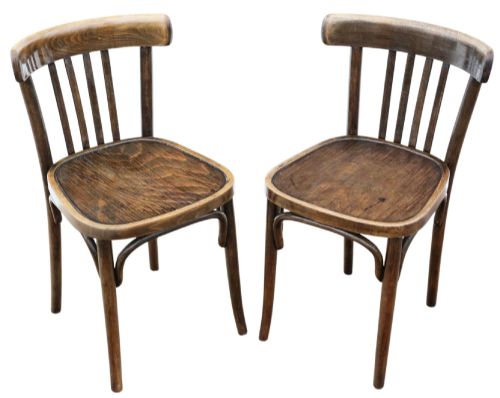
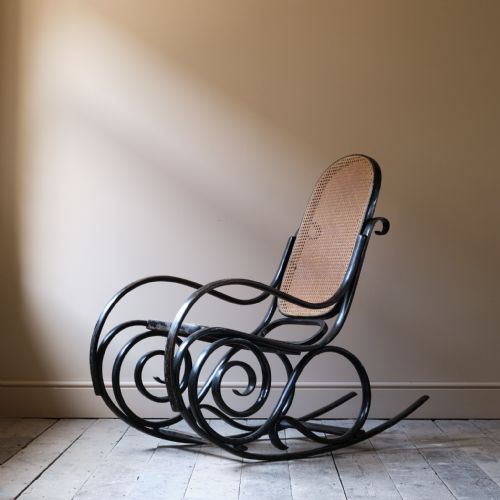
Dining chairs and stools dominate the forms seen on this page, often paired with complementary seating like armchairs and rocking chairs.
How they were made
Construction relies heavily on beech and pine, shaped through steam-bending techniques to create continuous, curved wooden frames without weak joints.
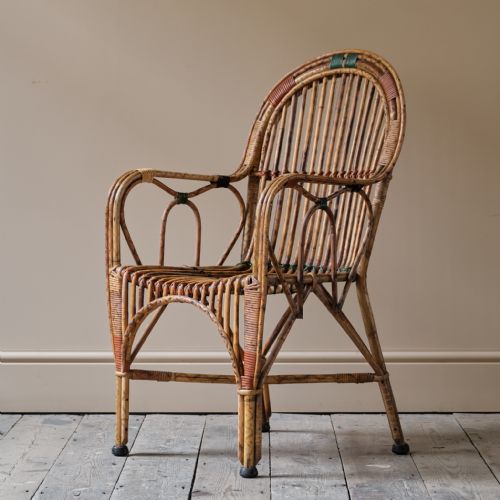
Plywood, cane, and rattan frequently supplement the solid wood structures, adding texture and flexibility to seats and panels.
Metal elements such as iron and brass appear in hinges, bindings, and trolley fittings, providing necessary structural support and contrast.
Mid Century Bentwood Retail Price Guide 2026
Typical asking prices for mid century bentwood among the pieces listed under this phrase on Sellingantiques today, from the lower quarter to the upper quarter. They describe what is for sale here now, not the wider market.
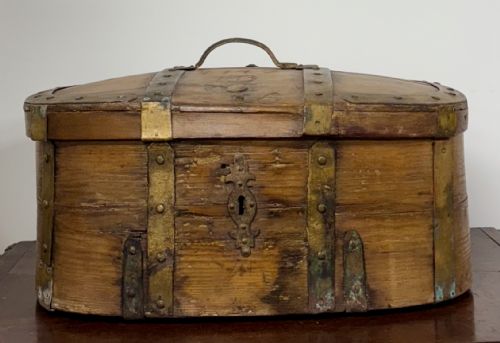
Listings incorporate items spanning from the eighteenth century through the 1960s, uniting beech, pine, cane, and metal elements.
What varies in quality
Quality differentiates itself through the tightness and integrity of the steam-bent curves, where superior pieces maintain smooth, unbroken lines without stress fractures.
The integration of secondary materials like hand-woven cane or bound rattan separates standard utilitarian items from finer examples.
Joinery execution and the preservation of original wooden surfaces dictate the overall calibre of each piece.
Lusty of Leicester·Thonet Yugoslavia
The Mid Century Bentwood Glossary
- Bentwood
- Wood that has been heated with steam to make it pliable, allowing craftsmen to bend it into curved shapes. This technique creates lightweight yet strong furniture frames.
- Cane
- Material woven from the outer skin of rattan palms, commonly used for chair seats and backs. It offers flexibility and a breathable seating surface.
- Beech
- A dense hardwood frequently utilised in bentwood production due to its exceptional response to steam-bending. It provides a reliable and durable structural frame.
- Plywood
- Engineered wood made from thin sheets of wood veneer glued together. It appears in various mid century forms for strength and stability.
Mid Century Bentwood: Frequently Asked Questions
How do I care for bentwood furniture?
Keep bentwood pieces away from direct heat sources and excessive moisture to prevent the wood from drying out or warping.
Dust regularly with a soft cloth and occasionally nourish the wood with appropriate oils to maintain its finish.
Are these chairs suitable for daily dining?
Many bentwood designs were originally created for commercial cafes and bistros, making them robust enough for everyday use.
Ensure joints remain firm and check cane or plywood seats periodically for signs of wear.
What interiors suit mid century bentwood?
The clean lines and warm wooden tones blend seamlessly into modern minimalist, rustic, and eclectic interior schemes.
They function well as standalone accent pieces or paired around a dining table.
How do I distinguish different periods?
Examining construction methods, hardware types, and timber finishes helps determine the era of manufacture.
Victorian and early twentieth-century pieces often display traditional joinery, while later examples incorporate plywood and distinct styling cues.