



Michelangelo Sculpture
These michelangelo sculpture pieces bring grand tour bronze figures and plaster casts into your room.
Michelangelo Sculpture
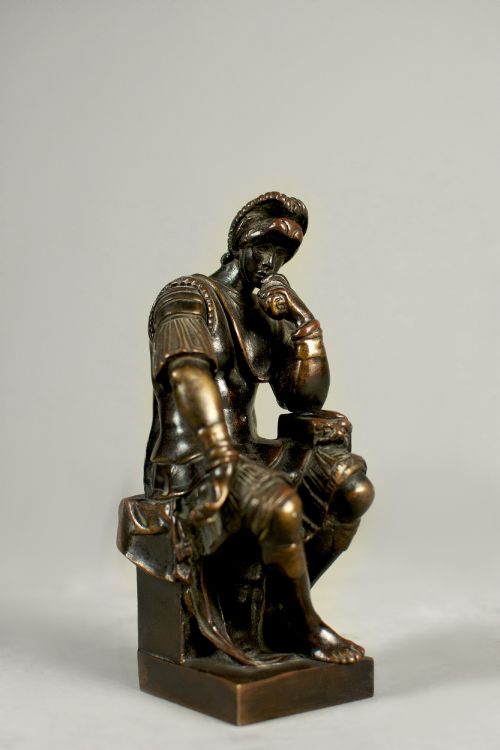
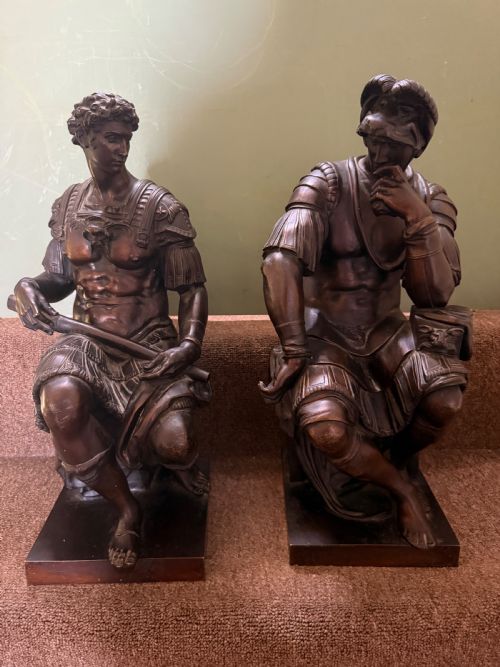
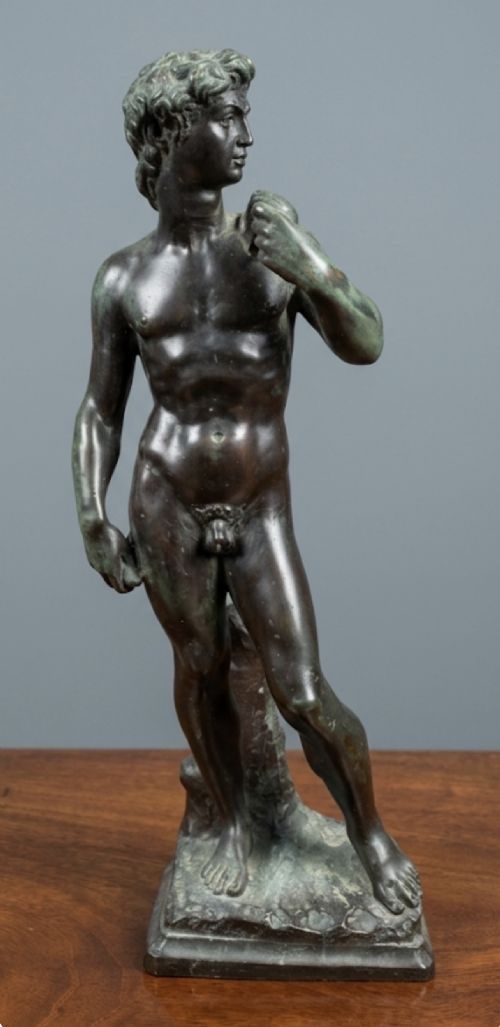
When you search for michelangelo sculpture, you encounter bronze figures and plaster casts created in the nineteenth and early twentieth centuries. These works draw directly upon famous Renaissance subjects like Lorenzo de Medici and David.
The version you are most likely to meet on this page is the Grand Tour bronze souvenir, produced in nineteenth century Italy to satisfy travellers collecting classical culture. These pieces capture the scale and stance of the original marble works in manageable proportions.
Alongside metal casts, the selection contains plaster busts and sculptural clock cases incorporating red marble, brass, and enamel. Such objects span the neoclassical and renaissance revival styles, reflecting diverse European interpretations of classical form.
How they were made
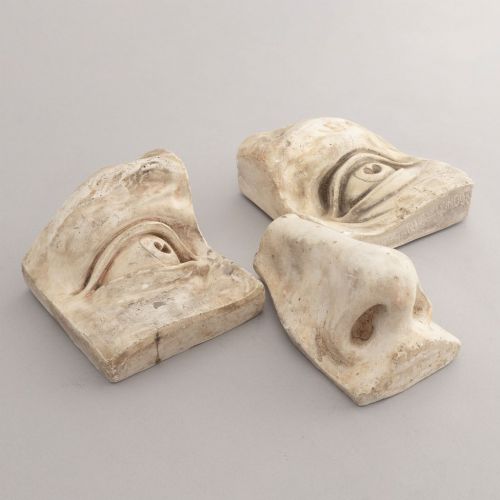
Makers utilised traditional casting methods to shape bronze into detailed figures, applying patinated finishes and verdigris effects to mimic ancient surfaces. Other works employ plaster and gesso to render anatomical details such as the eye of David with crisp precision.
Many objects combine sculptural metalwork with structural stones, integrating red marble bases and brass clock mechanisms. Enamel dials and components complete these composite decorative pieces.
Michelangelo Sculpture Retail Price Guide 2026
Typical asking prices for michelangelo sculpture among the pieces listed under this phrase on Sellingantiques today, from the lower quarter to the upper quarter. They describe what is for sale here now, not the wider market.
What varies in quality
Materials and patination dictate the visual weight of each object, from deep patinated bronze surfaces to bright verdigris accents. The integration of stone elements like red marble adds physical substance to the composition.
The Michelangelo Sculpture Glossary
- Grand Tour
- A traditional journey through Europe undertaken by upper-class European young men of means in the seventeenth, eighteenth, and nineteenth centuries. Souvenirs collected along the way frequently included bronze reductions of famous sculptures.
- Patinated Bronze
- Metal treated with chemical solutions to produce a specific surface colour or aged appearance. This technique protects the underlying bronze while enhancing sculptural depth.
- Plaster Cast
- A copy of a three-dimensional work made by pouring liquid plaster into a mould. These objects served as study pieces in academies and decorative items in homes.
- Renaissance Revival
- An artistic movement spanning the nineteenth century that drew inspiration from the art and architecture of the fifteenth and sixteenth centuries. It heavily influenced the design of furniture and decorative sculpture.
Michelangelo Sculpture: Frequently Asked Questions
What is a Grand Tour bronze?
A Grand Tour bronze is a small-scale metal copy of a classical or Renaissance sculpture produced in Italy during the nineteenth century. Travellers purchased these souvenirs to document their journeys through cultural centres.
These pieces allowed collectors to display miniature versions of monumental artworks within domestic interiors. They demonstrate the high standards of nineteenth century Italian foundry work.
How do I identify a plaster cast?
Plaster casts are formed by pouring gypsum plaster into a mould to replicate an original sculpture. They often feature a smooth, matte white or tinted surface that records fine details.
These objects were widely utilised for academic study and interior decoration during the nineteenth and early twentieth centuries. They require gentle handling to prevent surface abrasion.
What subjects do these sculptures depict?
The pieces primarily represent figures from Italian Renaissance art, most notably subjects created by Michelangelo. Figures such as David and Lorenzo de Medici appear frequently in the available selections.
Artists and founders reproduced these iconic forms as full figures, busts, or anatomical details like the eye of David. Such works reflect the enduring nineteenth century fascination with classical proportions.
How do I care for patinated bronze?
Patinated bronze requires minimal intervention to maintain its protective chemical surface. Dusting gently with a dry microfiber cloth prevents the accumulation of grime.
Avoid using harsh metal polishes or chemical cleaners that can strip the patination away. Stable indoor humidity protects both the metal and any integrated marble components.