
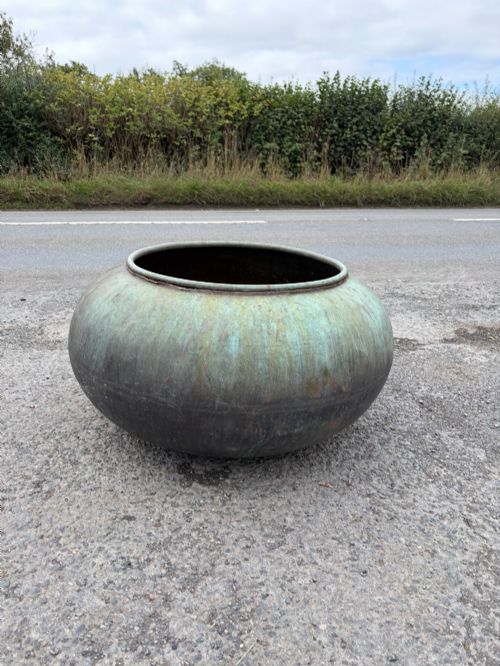
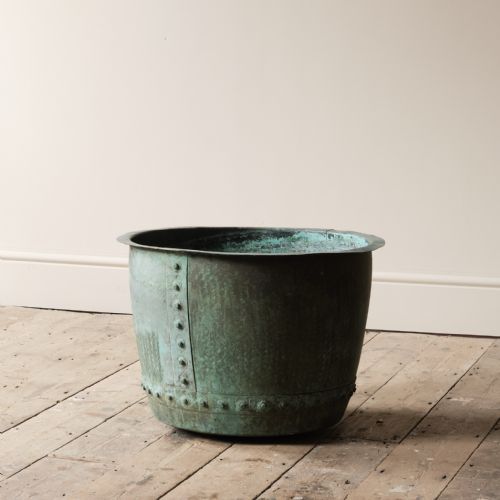
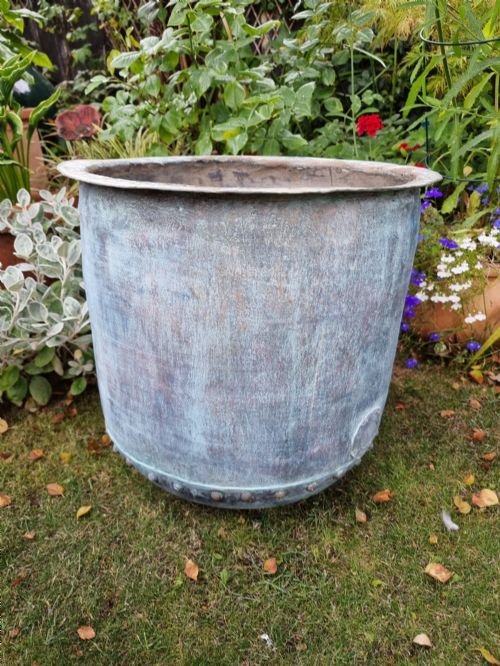
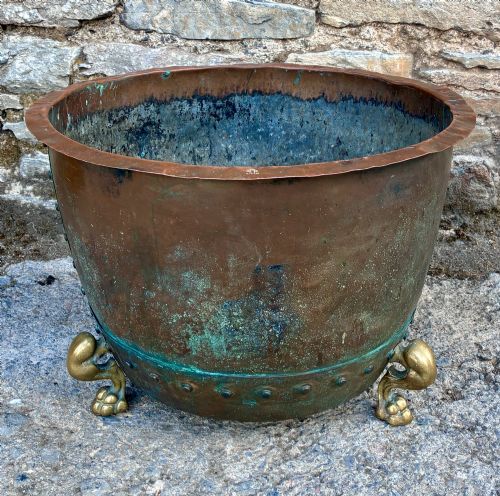


Metal Wash Tub
A metal wash tub offers robust utility and industrial character, serving equally well for fireside logs or garden planting.
Metal Wash Tub
When someone searches for a metal wash tub, they encounter utilitarian vessels repurposed from domestic and agricultural chores into decorative items. The selection spans the nineteenth century through the Edwardian era, featuring heavy-duty vessels originally built for daily household labour.
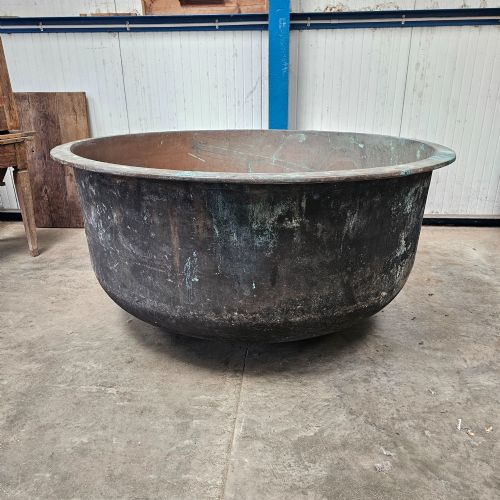
The most common forms on this page include copper pots, cauldrons, and large washing vessels alongside galvanised steel and enamel containers. Many of these items now function as garden planters, log bins, and decorative storage pieces.
Origins stretch across English and French country workshops, utilising durable metals shaped for heavy use. Buyers select these objects for their honest construction and weathered surfaces that bring functional history into modern spaces.
How they were made
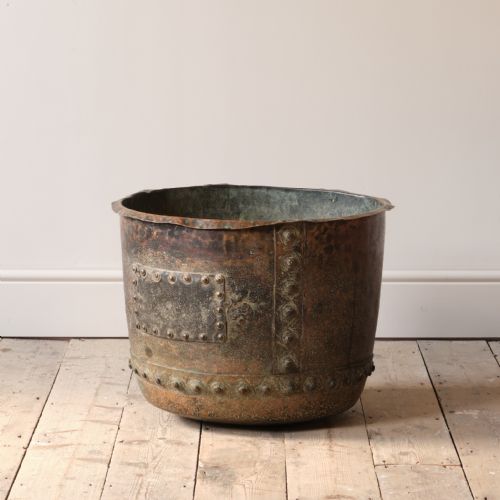
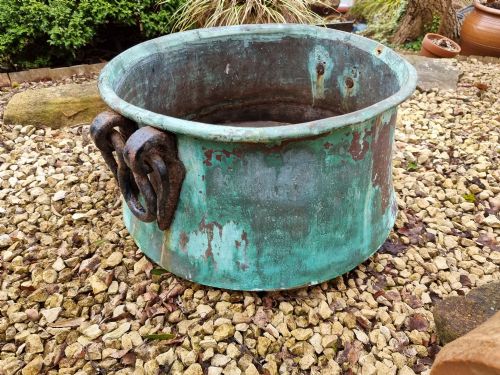
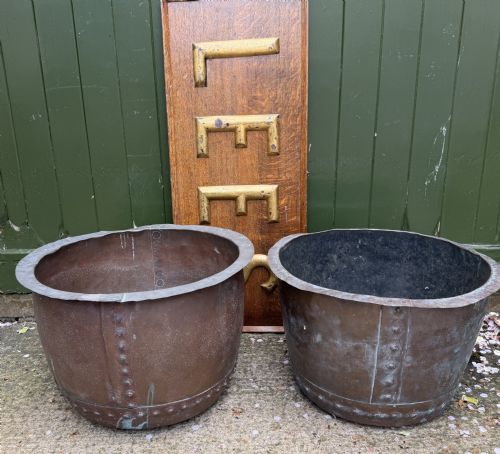
Copper construction relies on heavy-gauge sheet metal shaped by hand, often featuring visible hand-riveted seams that join the body securely. Workshops added wrought iron handles and swing Bails to bear the heavy weight of water or contents.
Galvanised steel and iron items utilise protective zinc coatings or enamel layers to resist corrosion during washing and utility tasks. These protective finishes define the industrial aesthetic found on Victorian and Edwardian examples.
Listings span the 1800s to the Edwardian era, predominantly featuring copper and galvanised steel forms.
What varies in quality
Quality rests in the heaviness of the metal gauge and the integrity of the original construction details. Hand-riveted joints and substantial wrought iron handles demonstrate superior craftsmanship compared to lighter commercial alternatives.
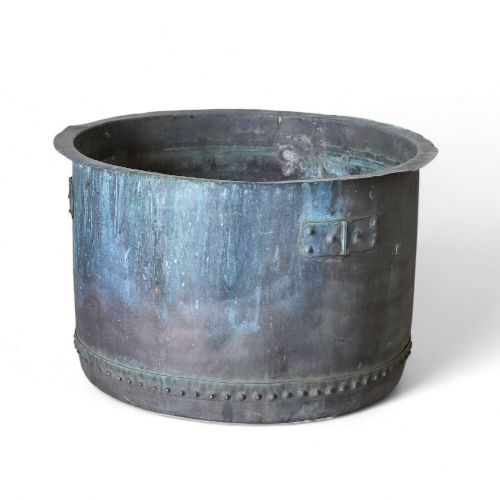
The character of the surface patina and natural verdigris accumulation dictates desirability among collectors. Original surfaces that show honest weathering without heavy intervention command greater appreciation.
The Metal Wash Tub Glossary
- Verdigris
- A green patina that forms naturally on copper and brass surfaces through atmospheric oxidation. This layer protects the underlying metal and provides historical depth.
- Galvanised steel
- Steel coated with a protective layer of zinc to prevent rusting. This process became widespread for utility items during the Victorian period.
- Cauldron
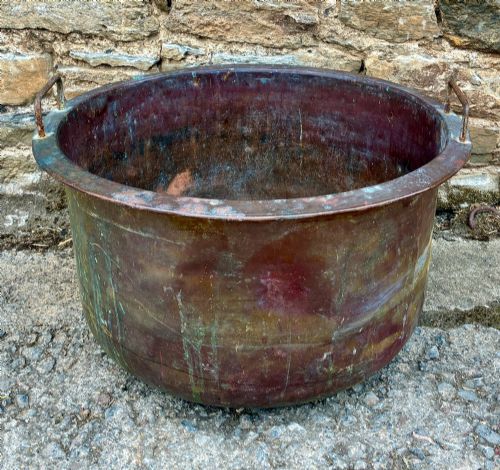
- A large metal pot with a wide opening, frequently fitted with an iron swing handle. These vessels were traditionally used for boiling water and heavy laundering.
- Patina
- The surface texture and coloration developed through age, use, and exposure. Collectors value honest wear that records the object's working history.
Metal Wash Tub: Frequently Asked Questions
How were metal wash tubs used originally?
These vessels held hot water and lye for scrubbing laundry in domestic washhouses before modern plumbing existed. Their sturdy construction allowed them to withstand heavy daily labour.
They also served general boiling and heating purposes across nineteenth-century households and farms. The robust build made them indispensable tools for domestic maintenance.
Can I use an antique wash tub outside?
Copper, galvanised steel, and iron vessels weather exterior conditions effectively when planted or positioned in gardens. Their original purpose demanded resistance to moisture and heavy use.
Drainage holes are often added when converting these tubs into plant containers. Placing them on patios or lawns highlights their rugged industrial textures.
How do I clean a copper wash tub?
Warm soapy water and a soft cloth remove surface dirt without disturbing the historical patina. Avoid harsh abrasives that strip away the accumulated character.
Many collectors prefer to leave the natural verdigris intact rather than polishing the metal to a bright shine. Preserving the surface maintains the visual integrity of the piece.
What is the difference between copper and galvanised tubs?
Copper tubs originate primarily in the nineteenth century and offer a warm metallic tone that ages into green verdigris. They often feature hand-riveted construction from kitchen and brewing contexts.
Galvanised tubs typically date from the late Victorian and Edwardian eras, using zinc-coated steel for practical laundry tasks. They provide a brighter, industrial grey finish suited to utilitarian spaces.