



Metal Task Light
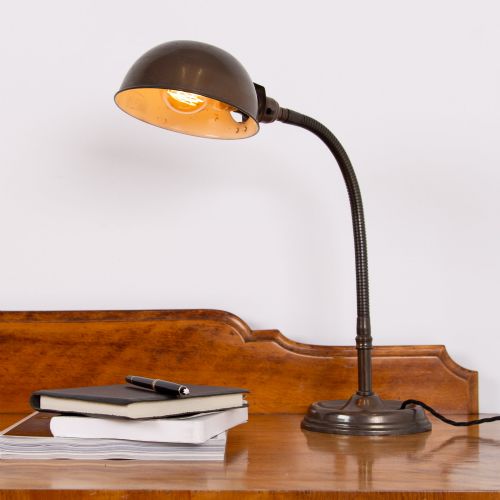
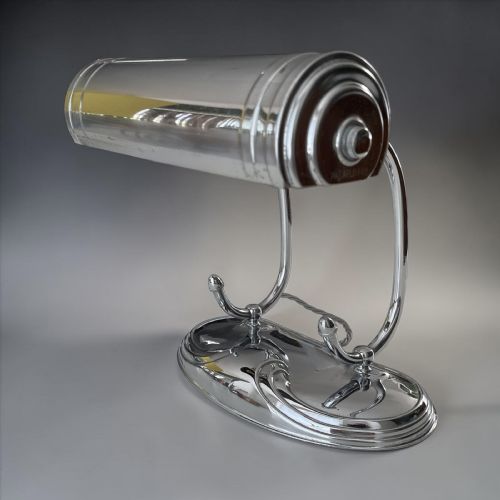
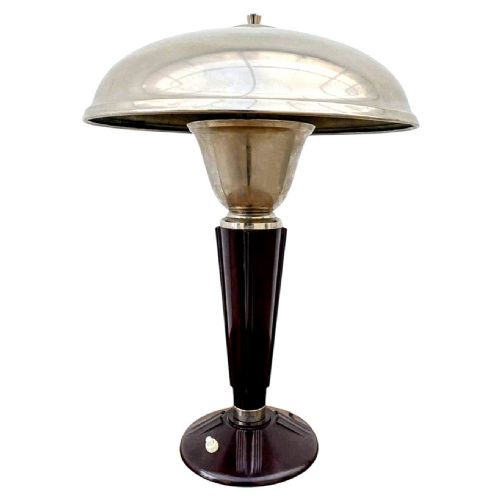
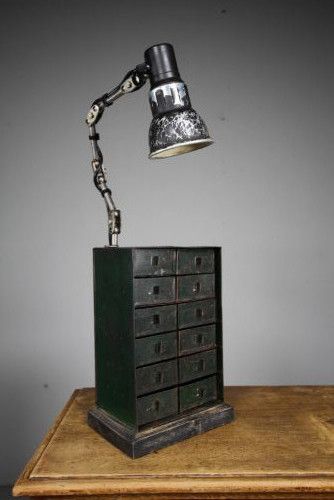
These metal task light pieces offer functional illumination through adjustable arms and sturdy weighted bases designed for focused work.
Metal Task Light
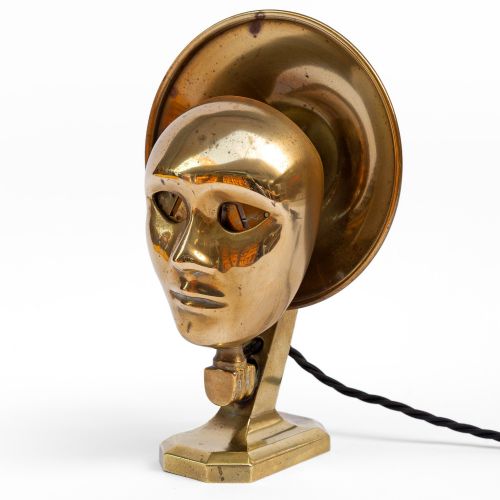
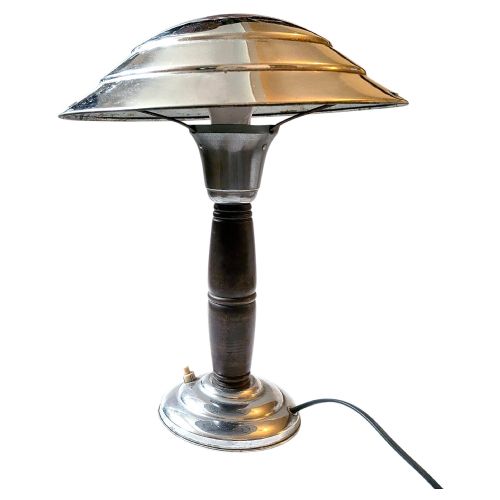
A metal task light brings direct illumination to a workspace, taking the form of desk lamps and table lamps built for utility and precision. When searching for a metal task light, buyers encounter pieces originating from the nineteenth century through the 1940s.
The selections span distinct design movements including Art Deco, Industrial, Machine Age, Bauhaus, Amsterdam School, Arts and Crafts, and Art Nouveau. English and continental European workshops produced these variants to serve architects, drafters, and readers requiring concentrated light.
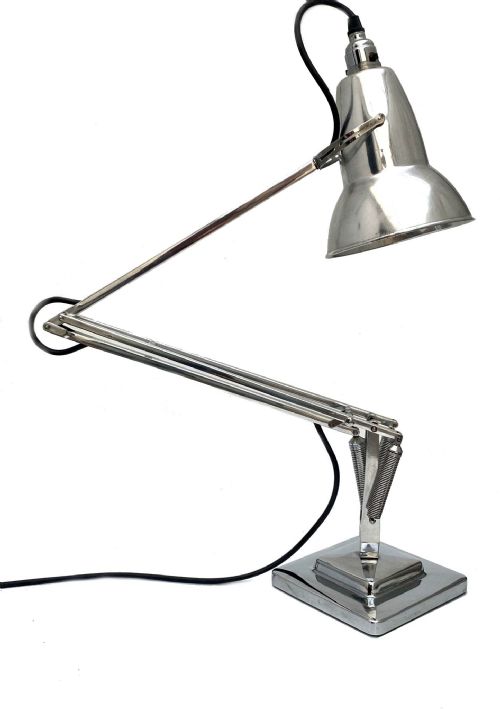
Most examples rely on adjustable joints or flexible arms to direct the beam precisely where needed. Desk lamps and reading lamps dominate the selection, often incorporating specialised shades to shield the bulb and project the light downward.
What varies in quality
Quality in these lights rests upon the integrity of the mechanical joints and the weight distribution of the base. Superior examples maintain tension in their adjustable arms without sagging, using solid brass or heavy steel rather than lighter substitute metals.
The refinement of the surface finish, whether patinated copper, polished chrome, or hand-painted toleware, distinguishes standard production items from workshop pieces bearing named design influences. Original components, including specific bakelite fittings or maker-marked shades, elevate the standard of a piece.
Metal Task Light Retail Price Guide 2026
Typical asking prices for metal task light among the pieces listed under this phrase on Sellingantiques today, from the lower quarter to the upper quarter. They describe what is for sale here now, not the wider market.
Listings feature desk lamps and table lamps spanning the Edwardian era through the 1940s, utilising brass, chrome, steel, and Bakelite.
Eileen Grey·Fritz Lang·Herbert Terry·WAS Benson·Wilhelm Wagenfeld·Pirouette·Jumo·Hawkins
The Metal Task Light Glossary
- Bakelite
- An early form of synthetic plastic used widely for electrical fittings and switches due to its insulating properties. It provides a distinct dark finish characteristic of mid-century and earlier electrical goods.
- Anglepoise
- A type of balanced arm lamp utilising springs or tension mechanics to hold a position in space. This design allows the light source to be moved smoothly and remain fixed without tightening screws.
- Art Deco
- A design style spanning the 1920s and 1930s characterised by stylised geometric forms and streamlined shapes. Pieces from this era often feature chrome plating and Bakelite details.
- Amsterdam School
- An architectural and design movement from the early twentieth century known for expressive, organic forms in metalwork. It frequently employs patinated copper and brass with intricate detailing.
- Toleware
- Painted or enamelled metalware, often tin or steel, used historically for decorative lamp shades. The painted finish provides a durable surface available in various colours.
Metal Task Light: Frequently Asked Questions
How do I adjust an articulated desk lamp?
Articulated desk lamps rely on counterbalanced springs, friction joints, or threaded thumbscrews to control movement. Users gently guide the arm to the desired position, allowing the internal tension to hold the shade steady.
Over-tightening joints can strip the threads or damage historical metalwork. Regular, careful adjustment keeps the mechanical parts operating smoothly without placing undue stress on the frame.
Can these vintage desk lamps use modern bulbs?
Most vintage desk lamps accept standard modern LED or incandescent bulbs provided the wattage does not exceed the limit of the original wiring and lamp holder. Checking the interior fitting ensures compatibility with current safety standards.
Rewiring may be necessary for older pieces to guarantee safe daily operation. Professional electricians can update the internal cord while preserving exterior components like original switches and plugs.
What defines the Machine Age style in lighting?
The Machine Age style draws inspiration from industrial machinery, transportation, and factory efficiency. These lights feature unadorned metal surfaces, chrome plating, and streamlined silhouettes that celebrate industrial progress.
Craftsmen prioritized functional utility, resulting in clean lines and exposed mechanical joints. This aesthetic emerged strongly during the interwar period as a rejection of ornate historical revivals.
How should I clean a brass or copper task light?
Cleaning depends on whether the metal retains its original factory lacquer or has developed a natural patina. Dusting with a dry microfibre cloth removes everyday debris without disturbing the surface finish.
Harsh chemical polishes should be avoided on antique copper and brass to protect aged patination. A soft cloth lightly dampened with water suffices for routine maintenance of painted or plated surfaces.