





Metal Sculpture Lamp
These metal sculpture lamp designs combine utility with figurative artistry, offering a striking focal point for any room.
Metal Sculpture Lamp
A metal sculpture lamp merges illumination with sculptural artistry, ranging from classical figures to modernist silhouettes. Collectors searching for a metal sculpture lamp will encounter table lamps and oil lamps spanning the Victorian era through the Art Deco period.
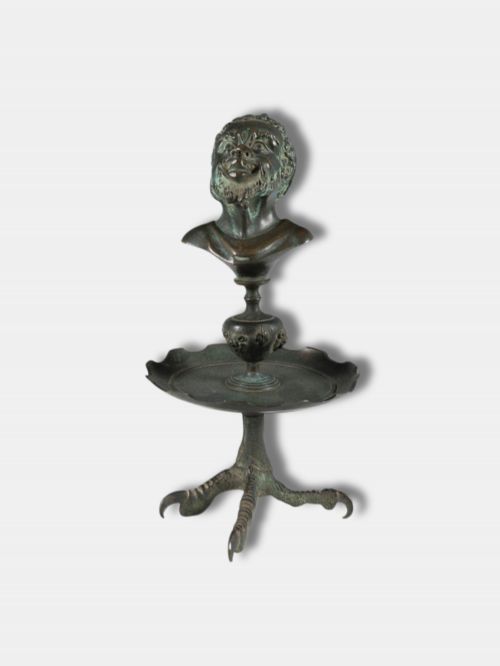
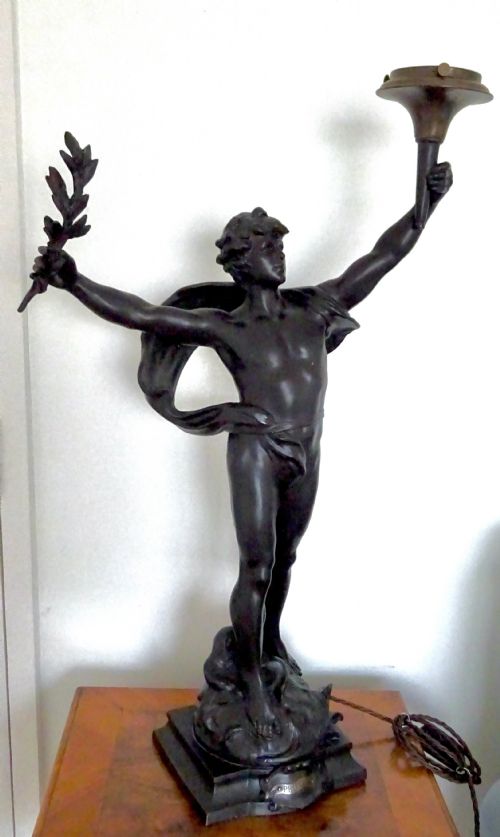
The selections on this page draw from 19th Century classical, Neoclassical, Grand Tour, and French Art Deco traditions. Figures include mythological deities, animals, and cultural subjects cast in bronze, patinated bronze, or spelter.
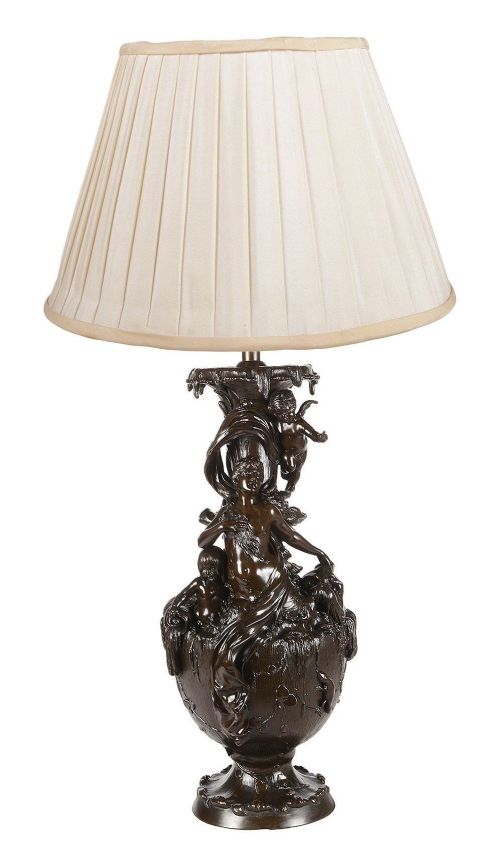
Early specimens often take the form of oil lamps or bronzed vases adapted for lighting, while later 20th-century pieces embrace stylised animal groups and geometric silhouettes. Spelter and bronze dominate the sculptural elements, frequently mounted on marble bases.
Materials and construction
Foundry techniques of the 19th and early 20th centuries relied on casting molten metals such as bronze and spelter into detailed moulds. Patinated bronze finishes provided deep, dark tones, whilst spelter offered a more cost-effective alternative that accepted various metallic and bronzed paints.
Metal Sculpture Lamp Retail Price Guide 2026
Typical asking prices for metal sculpture lamp among the pieces listed under this phrase on Sellingantiques today, from the lower quarter to the upper quarter. They describe what is for sale here now, not the wider market.
Listings span from the 1800s through the Art Deco period, uniting bronze, spelter, marble, and crackle glass.
Assessing craftsmanship and design
Quality rests primarily in the crispness of the metal casting and the depth of the finish, where finer details remain sharp rather than smoothed over by wear or thick paint. Superior examples display careful chasing by the artisan after casting, defining expressions, hair, and garments with precision.
The integrity of the structural materials also dictates value, such as the density of the supporting marble plinth and the quality of the patination. Recognised foundry marks or signatures cast into the metal elevate an example above anonymous mass-produced equivalents.
P.Sega·Adrien Gaudez·Moreau
The Metal Sculpture Lamp Glossary
- Spelter
- A zinc alloy frequently used as a cost-effective substitute for bronze in decorative figures and lamp bases. It takes patination well but is softer and lighter than true bronze.
- Patinated bronze
- Bronze treated with chemical solutions to produce a specific surface colour and aged appearance. This finish protects the underlying metal while enhancing shadow and depth in sculptural details.
- Grand Tour
- A style inspired by 19th-century European travel where wealthy collectors acquired classical antiquities and bronzes. These pieces often replicate ancient statues or mythological subjects.
- Crackle glass
- Glass deliberately fractured during the cooling process to create an intricate web of internal fissures. It diffuses light softly and appears frequently in period shade designs.
- Torchere shade
- An uplighter shade designed to direct light towards the ceiling rather than downwards. It typically crowns taller figural standards.
Metal Sculpture Lamp: Frequently Asked Questions
What is a metal sculpture lamp?
A metal sculpture lamp is a functional lighting fixture that incorporates a cast metal figure, bust, or decorative vase into its primary structure. These pieces blend the decorative arts with interior illumination.
They emerged strongly during the nineteenth century in classical and neoclassical styles, evolving through the Art Deco period into stylised animal and geometric forms.
How do I date a metal sculpture lamp?
Dating relies on stylistic clues, materials, and signatures or foundry marks stamped into the metal. Victorian and 19th-century pieces lean towards classical mythology and heavier patinated bronze.
Twentieth-century examples, particularly from the 1920s and 1930s, often feature spelter construction, marble bases, and characteristic Art Deco styling.
Are these lamps made of bronze?
Some are cast in true bronze or patinated bronze, while many period examples utilise spelter, a zinc-based alloy. Spelter was widely used by European foundries to create detailed figures at a lower weight and cost than bronze.
Foundry marks and weight usually distinguish between the two materials.
What subjects appear on these lamps?
Common subjects include classical deities and mythological figures such as the Goddess Amphitrite or satyrs. Naturalistic and cultural themes also feature prominently, including animal groupings like Alsatians.
Human figures and allegorical busts are typical of the Victorian and Edwardian periods.