




Metal Sculpture Decor
Metal sculpture decor brings together heavy cast metals, carved stone bases and figures from the nineteenth and early twentieth centuries to anchor a room.
Metal Sculpture Decor
Metal sculpture decor encompasses heavy bronze figures, brass ornaments, spelter groups and copper models spanning the nineteenth century through the Art Deco era.
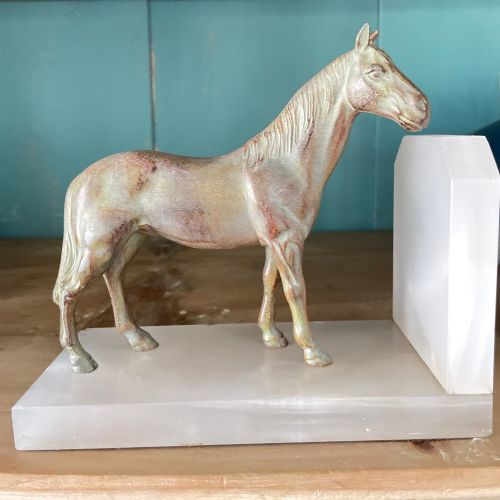
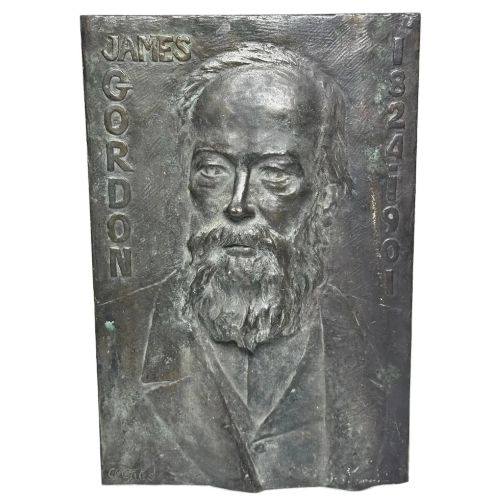
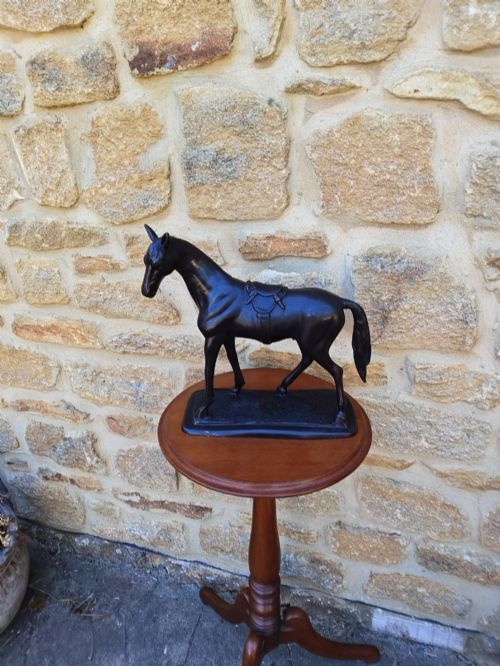
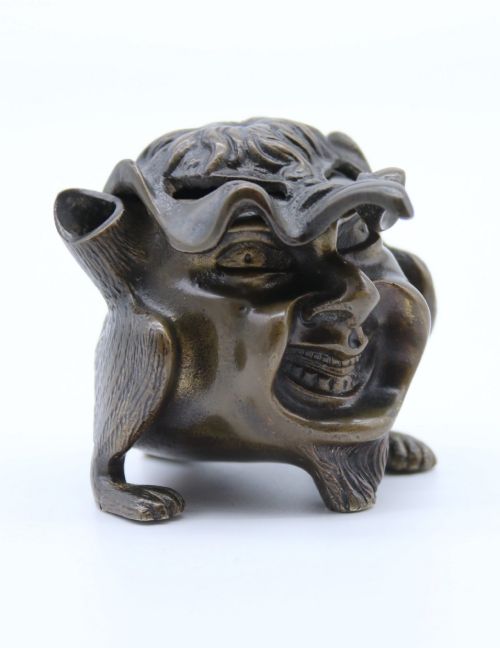
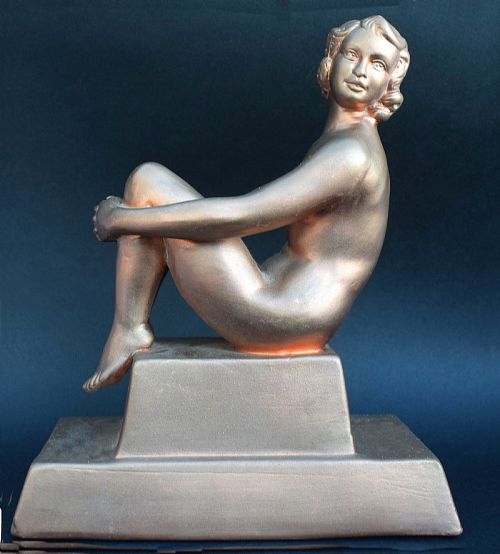
The objects take many forms, including animalier studies of lions and horses, portrait busts, bookends, inkwells and architectural plaques on marble or wood bases.
Pieces from this selection range from large nineteenth-century animal bronzes to sleek nineteen-thirties figures and folk art creations.
Materials and casting methods
Foundries utilised bronze, brass and spelter, often casting molten metal into intricate moulds before applying cold painted pigments or rich patination.
Many heavy sculptures incorporate polished marble, slate or olive wood bases to ground the metalwork securely.
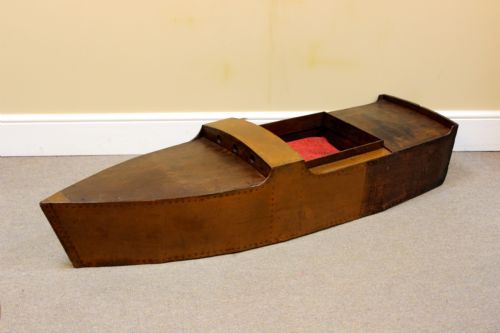
Sheet metal and copper components rely on hand-beating, soldering and riveting to build weathervanes and decorative models.
Metal Sculpture Decor Retail Price Guide 2026
Typical asking prices for metal sculpture decor among the pieces listed under this phrase on Sellingantiques today, from the lower quarter to the upper quarter. They describe what is for sale here now, not the wider market.
Listings span the nineteenth century through the Art Deco period, featuring bronze, spelter, copper and brass materials.
Judging the work
Quality rests on the crispness of the chasing and the depth of the casting, where sharper chisel work separates superior studio pieces from standard production runs.
The integrity of the original surface patina or cold painted finish dictates the preservation state, while replacement bases or repairs alter the original balance of the piece.
Michel Decoux·Alice Gates·James Gordon
The Metal Sculpture Decor Glossary
- Animalier
- A term for nineteenth-century art that realistically depicts animals, frequently cast in bronze.
- Spelter
- A zinc-based alloy utilised as an economical alternative to bronze for decorative figures and candlesticks.
- Patina
- The surface sheen and colour developed on metal over decades of exposure and handling.
- Cold painted
- A decorative technique where paint is applied to cold metal rather than fired in a kiln.
- Chasing
- The manual finishing of a cast metal surface using hammers and punches to refine details.
Metal Sculpture Decor: Frequently Asked Questions
What is spelter?
Spelter is a zinc-based alloy that mimics the appearance of heavier bronze when finished with patination or paint.
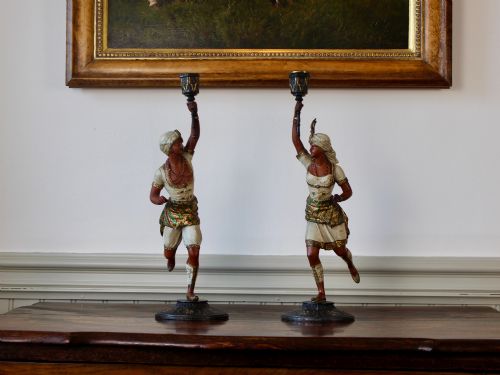
Foundries commonly cast these softer figures for decorative items like candlesticks and mantel groups during the nineteenth and early twentieth centuries.
How do I clean bronze?
Bronze requires only gentle dusting with a soft, dry cloth to protect the delicate original patination.
Harsh commercial polishes and abrasive cleaners strip away historical surfaces and diminish the value of antique metalwork.
Are marble bases original?
Many nineteenth and twentieth-century animal bronzes and portrait busts were cast specifically to mount upon fitted marble, slate or wood plinths.
Inspect the seating where the metal meets the stone to ensure the fixing pins and overall proportions remain undisturbed.
What is cold painting?
Cold painting involves applying oil or enamel colours to unheated metal sculptures after the casting process is complete.
This delicate technique was widely practiced by European foundries to render realistic plumage and clothing on small figures.