





Metal Reading Light
A metal reading light brings focused task illumination and strong period character to a desk, table or corner.
Metal Reading Light
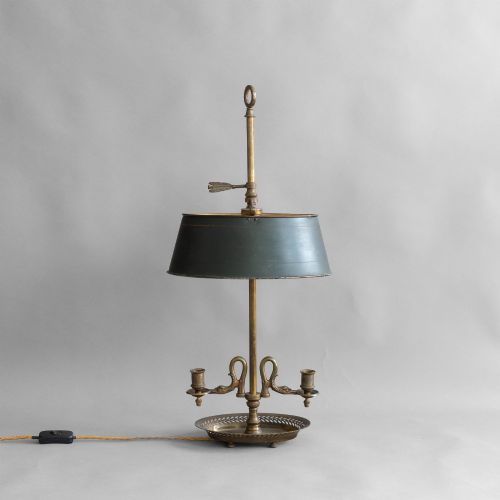
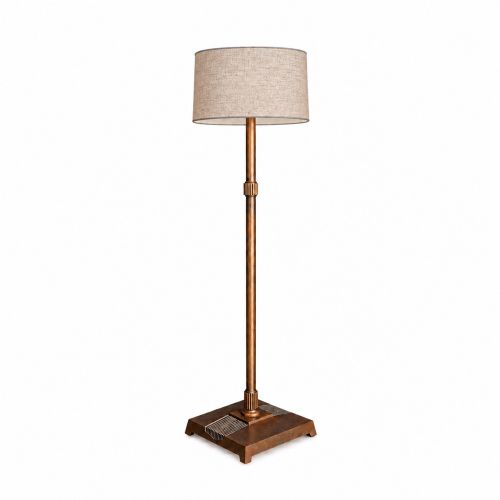
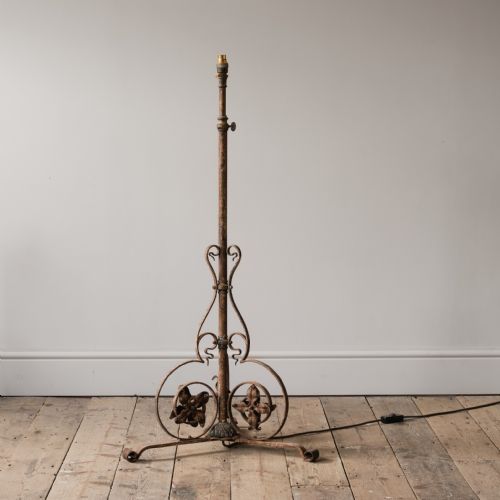
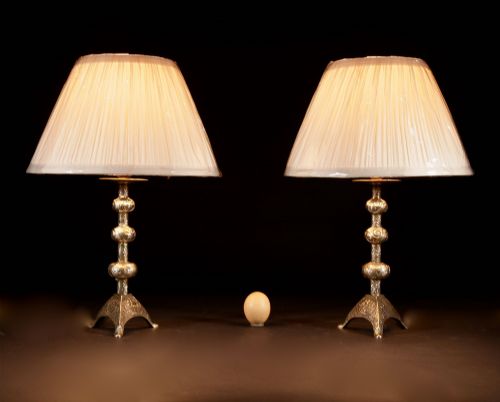
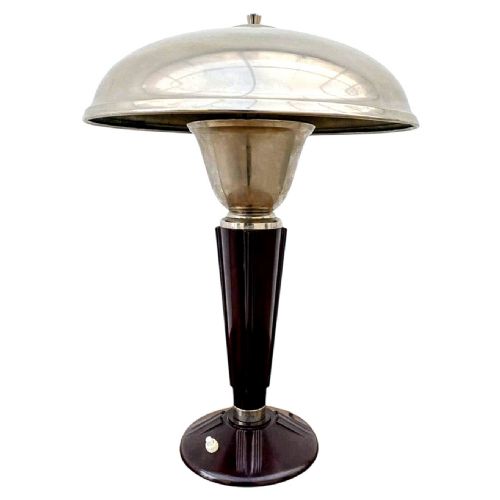
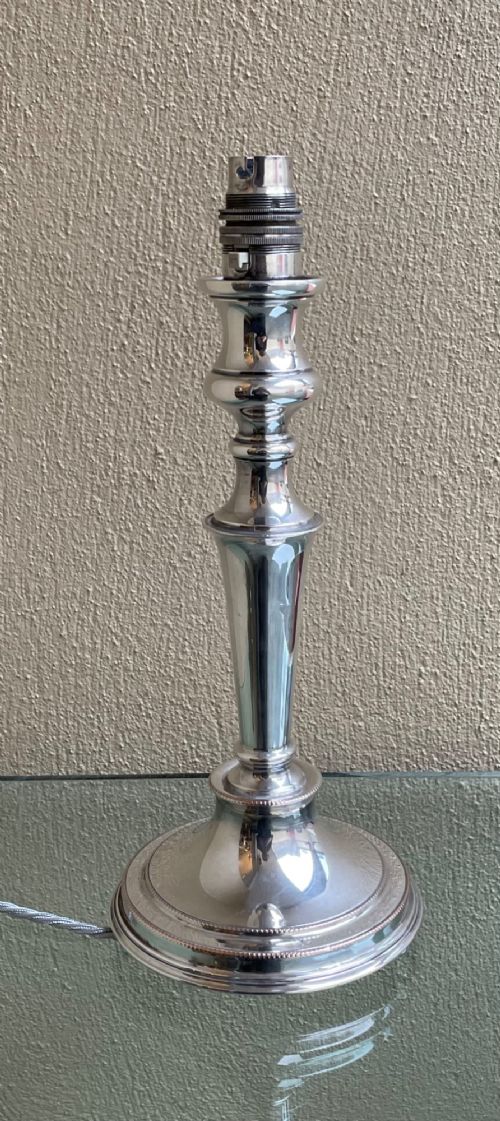
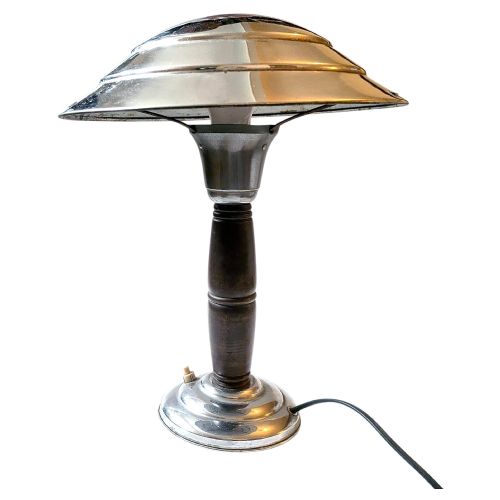
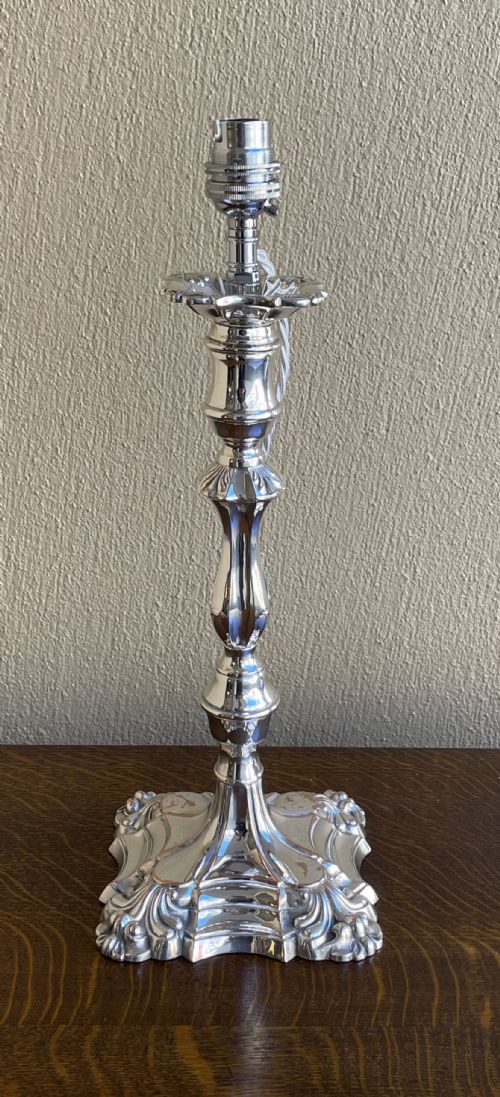
When searching for a metal reading light, collectors encounter a diverse array of forms designed to direct illumination precisely where needed. Table lamps, desk lamps, floor lamps, standard lamps, oil lamps, candle lamps and banker desk lamps populate this selection.
The objects span multiple eras, stretching from the Victorian and Edwardian periods through the 1890s, 1900s, 1910s, 1920s and 1930s. Styles range across Art Deco, Art Nouveau, Arts and Crafts, French Empire, French Neoclassical and Machine Age aesthetics.
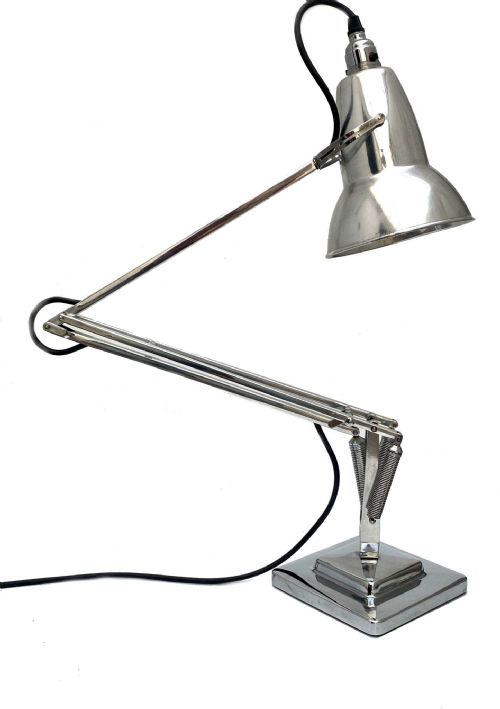
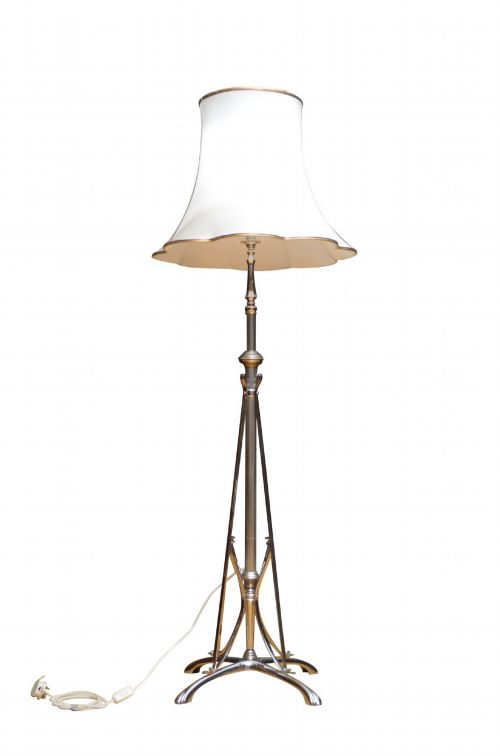
Table lamps and adjustable desk lamps appear most frequently on this page, often featuring articulated arms or weighted bases suited to practical tasks. Floor-standing standard lamps provide taller alternatives for rooms requiring broader placement.
How they were made
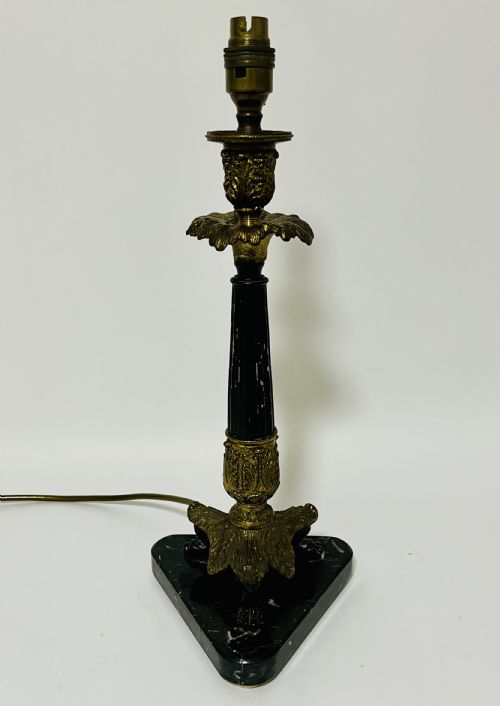
Construction relies heavily upon metals such as brass, bronze, chrome, silver plate, wrought iron and nickel plating, shaped through casting, spinning and smithing. Fabric, glass and toleware components frequently provide shade or contrast.
Articulated joints, telescopic shafts and adjustable arms utilise mechanical ingenuity to alter height and angle. Surface finishes include patinated copper, gilding and polished chrome.
Metal Reading Light Retail Price Guide 2026
Typical asking prices for metal reading light among the pieces listed under this phrase on Sellingantiques today, from the lower quarter to the upper quarter. They describe what is for sale here now, not the wider market.
Materials span brass, fabric, metal, bronze, chrome, glass, wrought iron and silver plate across the listed items.
What varies in quality
Quality rests upon the integrity of the metalwork, the robustness of mechanical joints and the purity of original styling. Substantial cast bronze or heavy brass components signal superior construction compared to lighter pressed alternatives.
Refinement in decorative detailing, such as crisp chasing on ormolu mounts or balanced proportions in adjustable armatures, elevates certain examples. The preservation of authentic patination and maker-specific engineering distinguishes finer specimens.
Eileen Grey·Herbert Terry·W A S Benson·The Charles Parker Company
The Metal Reading Light Glossary
- Standard lamp
- A tall floor lamp designed to stand independently and illuminate a wider area. These pieces often incorporate adjustable arms or telescopic columns.
- Toleware
- Painted or lacquered sheet metal utensils and decorative objects. This finish frequently brings vibrant green, gold or muted tones to lamp bodies.
- Ormolu
- Gilded bronze or brass applied to decorative mounts and fittings. The technique produces a rich metallic lustre associated with neoclassical and empire designs.
- Spelter
- A zinc alloy frequently cast as an economical alternative to bronze. It gained popularity for figural and floral bases during the art nouveau period.
- Bakelite
- An early synthetic plastic valued in modernist and art deco lighting. It appears on switches, shades and structural details.
Metal Reading Light: Frequently Asked Questions
How do I adjust the light height?
Many period examples feature telescopic shafts, counterweighted arms or pivot joints operated by thumbscrews. These mechanical elements allow the shade to move vertically or horizontally.
Care should be taken when adjusting older brass or iron joints to avoid straining aged metal components.
Were these lamps originally electric?
Earlier specimens began as oil, candle or gas lamps before undergoing conversion to electricity during subsequent decades. Some retained their original reservoirs or burners while receiving modern wiring.
Rewired examples frequently combine antique metalwork with contemporary electrical safety standards.
How do I clean polished brass?
Polished brass surfaces benefit from gentle dusting with a soft, dry cloth to prevent the accumulation of grime. Avoid harsh chemical polishes that strip away historical patination.
Lacurered finishes require particular care to protect the protective coating from abrasion.
Where should I place a floor lamp?
Standard floor lamps suit corners, reading chairs or study spaces requiring direct vertical illumination. Adjustable arms allow the light source to extend over seating furniture.
Their heavy bases ensure stability when positioned on wooden floors or carpets.
What distinguishes Art Deco lighting?
Art Deco lighting employs geometric silhouettes, streamlined chrome plating and contrasting bakelite details. These designs reflect machine age influences from the interwar period.
Forms lean towards functional simplicity and industrial materials.