






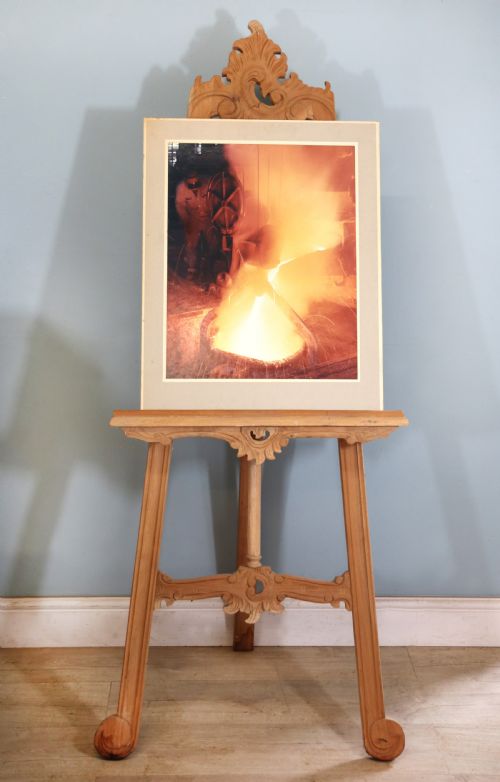

Metal Photo Frame
A metal photo frame brings warmth and a distinct period character to a desk or mantelpiece, turning a simple portrait into a considered decorative object.
Metal Photo Frame
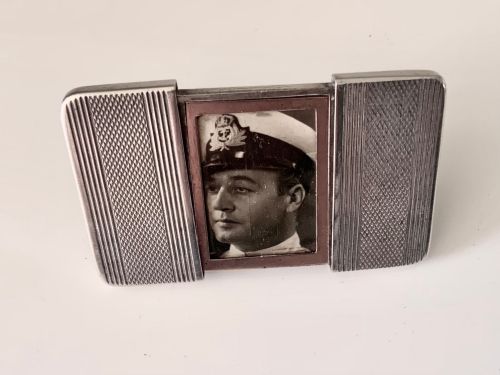
A metal photo frame is a domestic object designed to display cherished portraits, ranging from simple utilitarian stands to highly decorative pieces meant for prominent display. When you search for a metal photo frame, you encounter examples spanning from the Victorian era through the Edwardian period and into the geometric designs of the Art Deco 1930s.
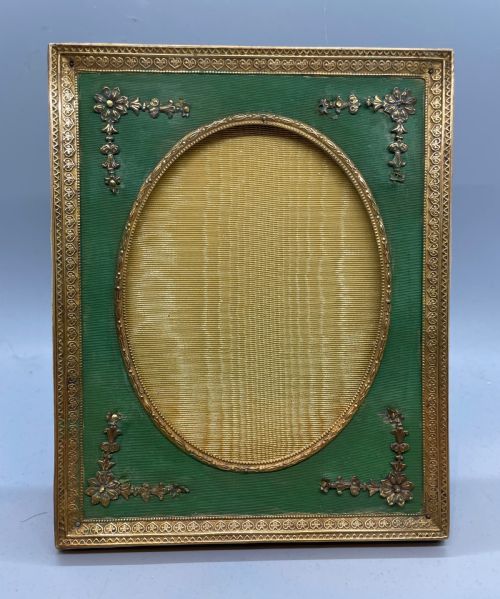
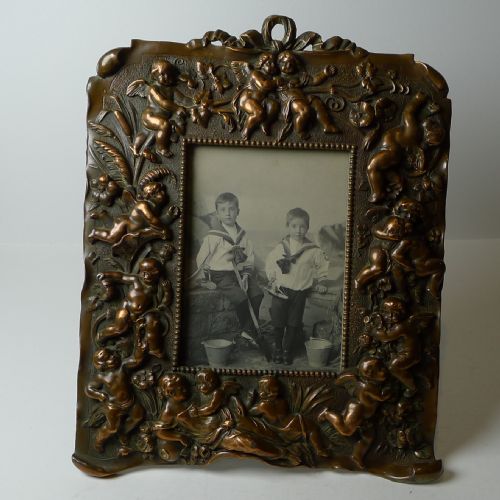
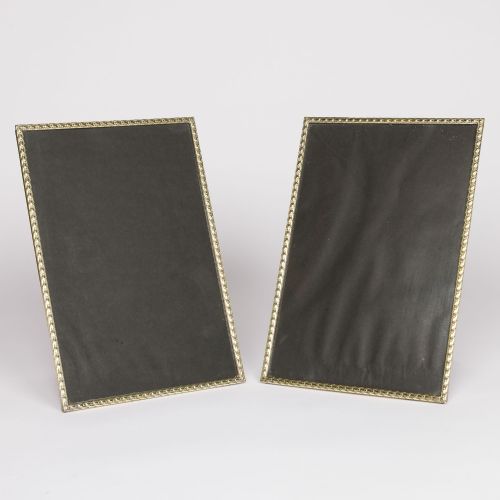
The pieces on offer encompass single, double, and triple configurations, alongside vanity sets and specialised photograph frames. French styles dominate the decorative end of the market, frequently incorporating rococo motifs, cherubs, and classical gilding.
Earlier pieces from the late nineteenth century lean towards ornate gilt bronze, brass, and ormolu, often enriched with champleve enamel or paste stones. Later twentieth-century examples shift towards clean lines, utilising nickel plating and chrome alongside glass and wood supports.
How They Were Made
Manufacturing methods rely heavily on metal casting, particularly for gilt bronze, brass, and ormolu pieces produced during the Victorian and Edwardian periods. Artisans chased and gilded these cast mounts by hand, securing glass panels and paper backs with simple hinges and turnbuckles.
Later twentieth-century examples reflect industrial shifts towards nickel plating and chrome over base metals, creating smooth, reflective finishes suited to Art Deco and modernist aesthetics. These frames frequently integrated glass panels and freestanding easel backs constructed from wood or sturdy card.
Metal Photo Frame Retail Price Guide 2026
Typical asking prices for metal photo frame among the pieces listed under this phrase on Sellingantiques today, from the lower quarter to the upper quarter. They describe what is for sale here now, not the wider market.
Materials recorded across these frames include brass, gilt bronze, ormolu, nickel, chrome, glass, wood, silk, and paper.
What Varies in Quality
Quality rests upon the crispness of the metal casting and the depth of the original gilding or plating. Finer pieces display intricate hand-chasing on ormolu and bronze, while simpler utilitarian items rely on plain stamped sheet metal.
The integrity of the structural elements, such as the easel back, hinges, and original glass, distinguishes a superior piece from a heavily altered one. Superior examples retain their original glass and backing materials, whereas lesser specimens often show modern replacements.
The Metal Photo Frame Glossary
- Ormolu
- A gilded bronze technique popular in French decorative arts. It gives metal a rich, golden surface finish.
- Champleve
- An enamelling technique where troughs are carved into metal and filled with vitreous enamel before firing. This adds vibrant colour to the frame borders.
- Easel back
- A hinged support attached to the rear of a frame allowing it to stand upright on a flat surface.
- Gilt bronze
- Bronze that has been coated with a thin layer of gold. It provides durability and a warm metallic lustre.
Metal Photo Frame: Frequently Asked Questions
How do I date a metal photo frame?
Dating relies on stylistic clues, materials, and construction methods. Heavy cast ormolu, cherubs, and elaborate scrollwork generally point to Victorian or Edwardian manufacture.
Sleek chrome finishes, geometric shapes, and glass panels indicate a later Art Deco aesthetic from the 1930s.
Can I polish antique ormolu frames?
Aggressive metal polishes should be avoided on antique ormolu and gilt bronze because they strip away the thin layer of gold. Gentle dusting with a dry microfiber cloth is the safest method for routine care.
Moisture can damage exposed base metals and original paper or fabric backings, so liquid cleaners are strictly discouraged.
What styles are common in antique metal frames?
French rococo and Louis XVI styles frequently appear, featuring ornate cast motifs like cherubs and floral garlands. Aesthetic movement designs also emerge, focusing on simpler, linear forms.
Later pieces embrace Art Deco modernist and skyscraper silhouettes executed in nickel-plated silver or chrome.
Are these frames meant to hang or stand?
Many examples feature built-in easel backs designed for freestanding display on desks, tables, or mantelpieces. Some incorporate hanging rings or loops for wall placement.
Double and triple folding configurations are strictly intended for tabletop use to showcase multiple portraits at once.