





Metal Lion Figure
A metal lion figure brings presence to a room, cast in bronze, brass, iron, or pewter across centuries of varied craftsmanship.
Metal Lion Figure
A metal lion figure spans practical household items and purely decorative sculptures, originating from diverse global traditions. Buyers seek these pieces for their commanding sculptural presence and historical weight.
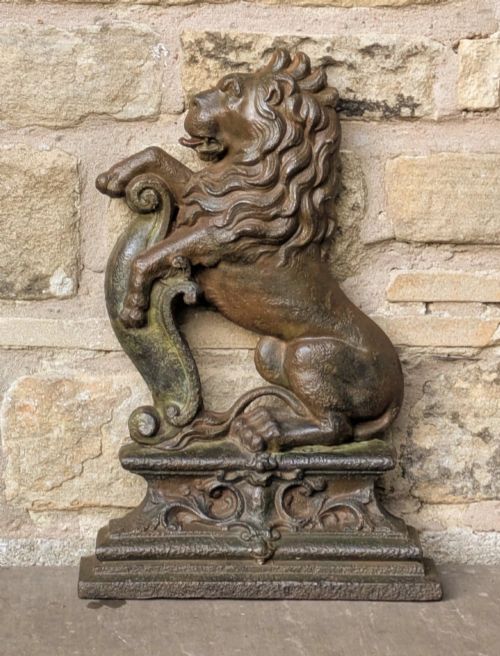
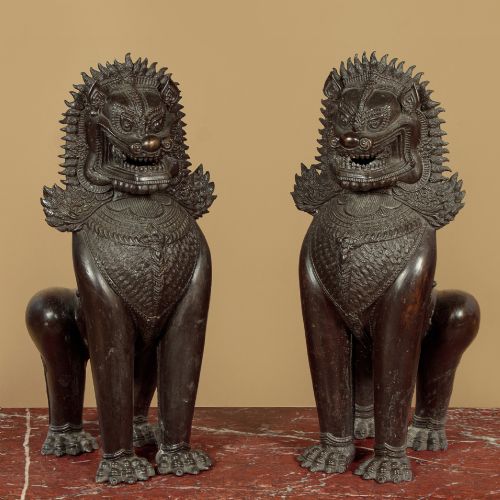
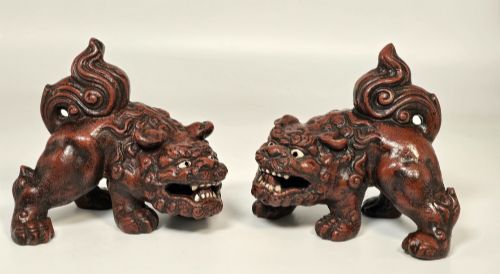
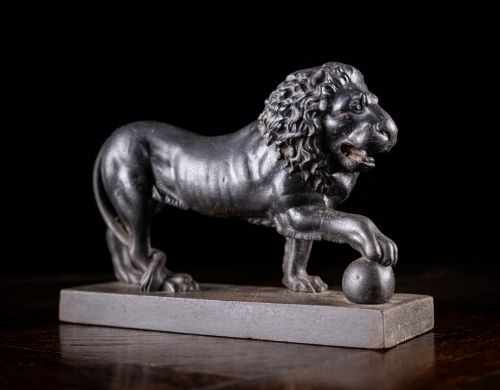
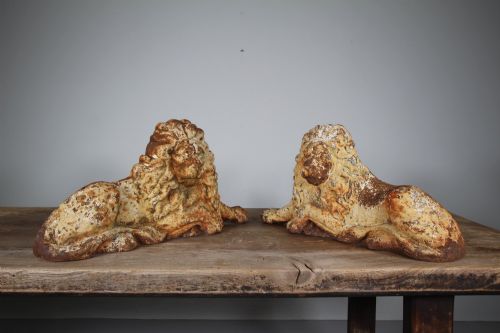
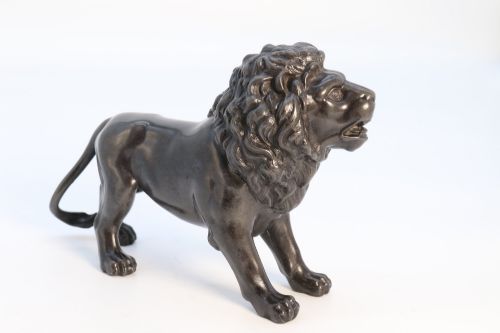
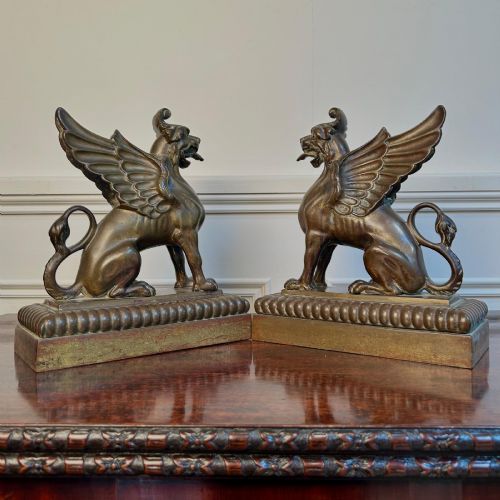
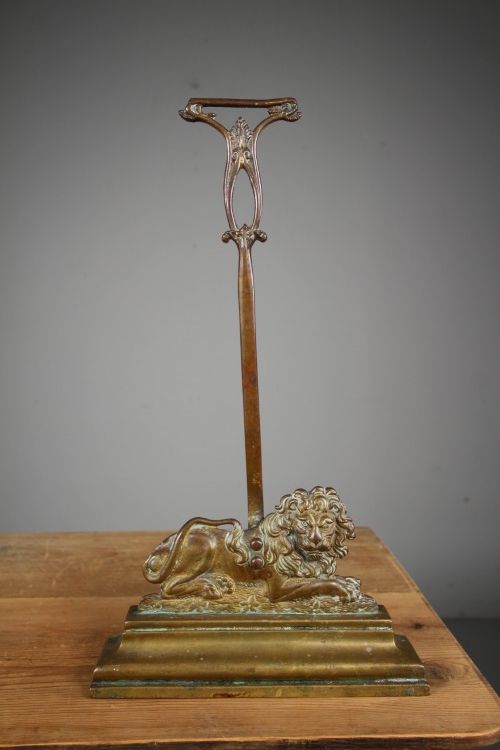
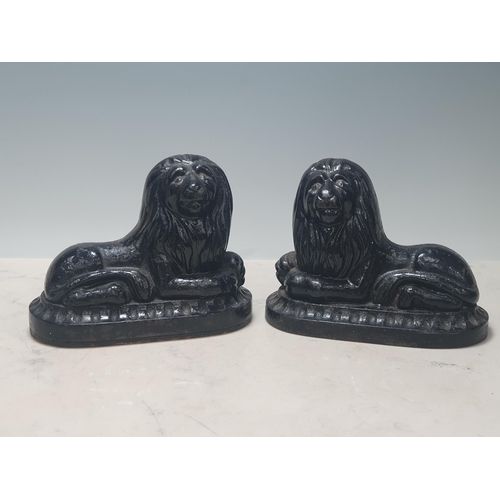
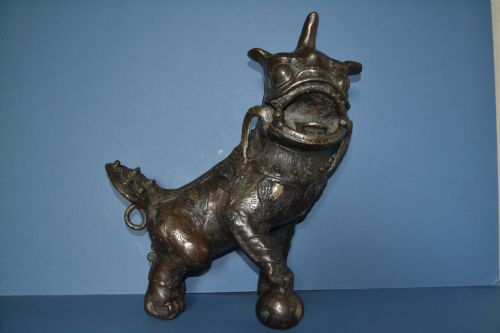
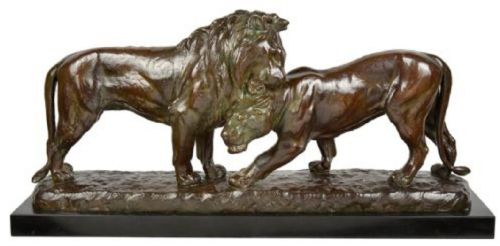
The selections on this page range from heavy nineteenth-century door stops and desk accessories to bronze temple lions and figural studies. Pieces extend from the Georgian period through the Edwardian era, incorporating regional styles such as French Chinoiserie and Japanese ironwork.
Most examples take the form of paired mantel ornaments, door porters, or desktop paperweights, reflecting both functional utility and artistic expression. These figures bridge domestic utility and high-status interior decoration.
Materials and methods
Foundry techniques rely heavily on bronze, brass, and cast iron, shaped through traditional casting methods that capture intricate anatomical detail. Surface finishes include dark patination, black paint, gilding, and polished metal.
Metal Lion Figure Retail Price Guide 2026
Typical asking prices for metal lion figure among the pieces listed under this phrase on Sellingantiques today, from the lower quarter to the upper quarter. They describe what is for sale here now, not the wider market.
Materials represented include bronze, brass, cast iron, pewter, marble, wood, and painted metal surfaces.
Quality and execution
The integrity of the original surface patination or paint significantly influences the character of a piece. Finer works maintain their historical patinas and structural solidity without excessive smoothing or clumsy later repairs.
Unno Shomin·Louis Riche
The Metal Lion Figure Glossary
- Door porter
- A heavy object utilised to keep internal doors open, frequently cast as a lion or heraldic beast. These items combine utility with sculptural display.
- Okimono
- A Japanese freestanding decorative carving or metal casting intended for display on a shelf or tabletop. These pieces demonstrate extreme mastery of metalwork detail.
- Patina
- The surface sheen and colour acquired by metal through age, handling, and environmental exposure. A desirable patina confirms the genuine age of the object.
- Opium weight
- Small trading weights cast in the form of animals, including lions and mythical beasts, originating from Southeast Asia. These functional objects double as miniature bronze sculptures.
- Recumbent
- An artistic posture depicting an animal lying down while resting on its forelegs. This stance is common in heavy door stops and mantel ornaments.
Metal Lion Figure: Frequently Asked Questions
How do I identify the period?
Examine the casting method, surface wear, and underlying material style to determine the era of production. Nineteenth-century pieces frequently display distinct regional casting characteristics and period-specific patination.
Compare the base construction and finishing techniques against known examples from Georgian, Victorian, or Edwardian manufacture to confirm the likely date.
Where should I place a metal lion figure?
These pieces suit heavy domestic duties such as holding open interior doors or serving as striking focal points on mantelpieces and desks. Their solid weight ensures stability in high-traffic areas.
Position smaller bronze studies and paperweights on bookshelves or library tables where the detailed metalwork can be observed closely.
Are temple lions different from standard figures?
Temple lions, originating from Asian traditions, typically serve a protective or symbolic function and often appear in mirrored pairs. They feature stylized manes and fierce expressions distinct from classical European representations.
European interpretations lean towards heraldic realism or neoclassical revival, whereas temple figures follow specific cultural iconography and stylistic conventions.
How do I care for cast metal?
Maintain the surface by gently dusting with a dry, soft cloth to prevent the accumulation of dirt within intricate casting recesses. Avoid abrasive cleaners that might strip the historic patina.
Keep the metal away from damp environments to prevent corrosion, particularly on cast iron and pewter items.