



Metal Hearth Seat
A metal hearth seat brings solid construction and fireside seating together in one functional piece, providing a sturdy framework for warmth.
Metal Hearth Seat
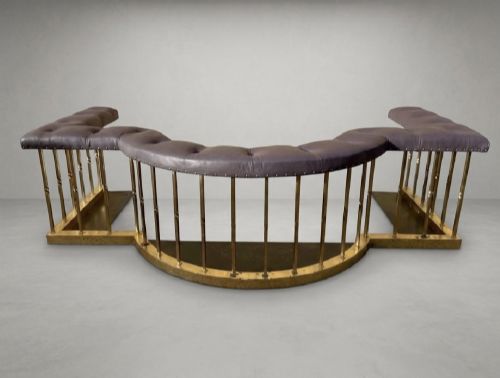
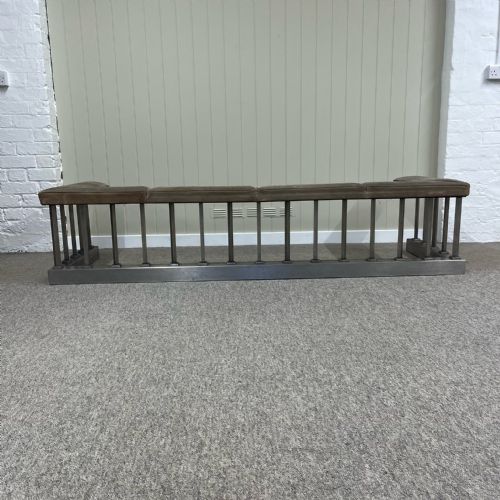
A metal hearth seat combines a low perimeter fender with a padded top for sitting directly beside an open fire. These furnishings take the form of club fenders, fireplace fenders, and fire accessories that frame the hearth.
The pieces on this page span the nineteenth century, the Edwardian period, and the twentieth century including the nineteen twenties and nineteen forties. Buyers will find club fenders built from robust metals and fitted with upholstered tops.
Makers utilised iron, wrought iron, steel, and brass for the main structure while adding leather and wood elements. Traditional English and Victorian designs dominate the selection available here.
How they were made
Makers built these frames using heavy structural metals like wrought iron, steel, and brass to withstand the heat and weight near a fireplace. These metals were forged, shaped, and polished to create durable hearth surrounds.
Upholstered sections on top typically featured leather fixed over padding to provide a comfortable seat. Some examples combined steel with oak or incorporated silver plating for decorative contrast.
Metal Hearth Seat Retail Price Guide 2026
Typical asking prices for metal hearth seat among the pieces listed under this phrase on Sellingantiques today, from the lower quarter to the upper quarter. They describe what is for sale here now, not the wider market.
Listings feature periods from the nineteenth century through the Edwardian era to nineteen forty, utilising brass, steel, wrought iron, and leather.
What varies in quality
The distinction between standard examples and finer pieces lies in the weight of the metal and the precision of the forging. Heavier gauges of brass, steel, and wrought iron indicate more substantial construction.
Quality also shows in the choice of upholstery materials and the execution of the padded leather seating. Finer combinations integrate secondary materials like oak or silver plating with careful attention to proportion.
The Metal Hearth Seat Glossary
- Club fender
- A low metal frame with padded seats that surrounds a fireplace hearth. This design provides extra seating close to the fire.
- Wrought iron
- Iron that has been heated and hammered into shape by hand. This material offers notable strength and traditional texture.
- Brass
- A metal alloy of copper and zinc used for bright structural frames and decorative details. It develops a warm patina over time.
- Leather
- Animal hide treated for upholstery, commonly used for the seating pads on these frames. It provides a durable surface that withstands daily use.
Metal Hearth Seat: Frequently Asked Questions
What is a metal hearth seat used for?
A metal hearth seat serves as both a protective barrier around an open fireplace and a low bench for sitting. It keeps foot traffic at a safe distance from the flames while providing convenient seating close to the warmth.
These pieces were traditionally placed in larger rooms and country houses to maximise the heat from an open fire. They combine practical room division with comfortable fireside seating.
How do I date a metal hearth seat?
Dating relies on examining the specific metals, manufacturing techniques, and upholstery styles used in the construction. Pieces from the nineteenth century often feature heavy brass or hand-forged wrought iron.
Later examples from the Edwardian period or the nineteen twenties introduce different styling cues such as chrome plating or specific leather treatments. Comparing the structural materials helps narrow down the period of origin.
How do I maintain the metal and leather?
Maintenance involves gentle cleaning suited to the specific materials in the frame and seat. Brass and steel require appropriate metal polishes to preserve their finish without causing abrasion.
Leather tops benefit from occasional conditioning to keep the material supple and prevent drying out near the heat source. Regular dusting protects both the metalwork and the upholstery from wear.