

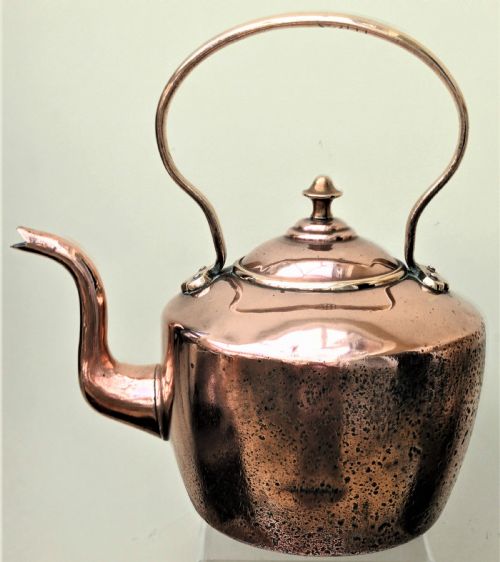
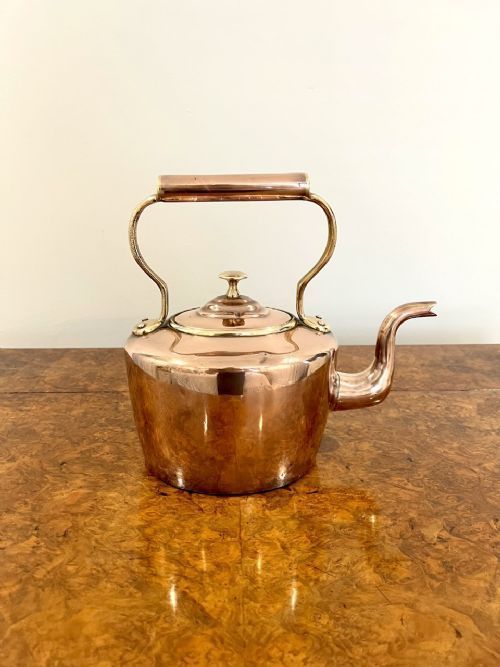
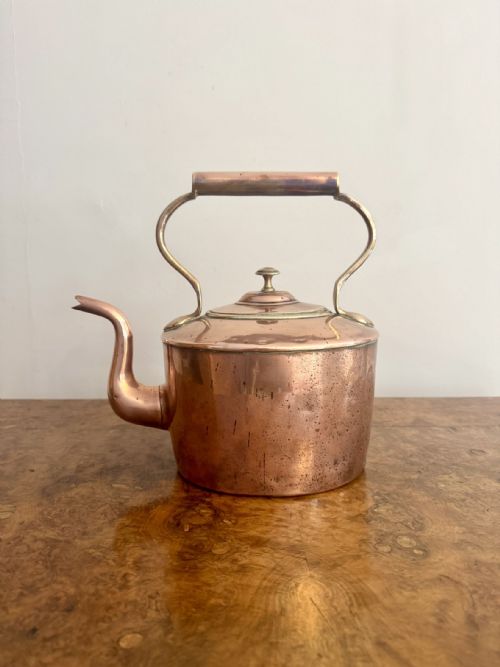
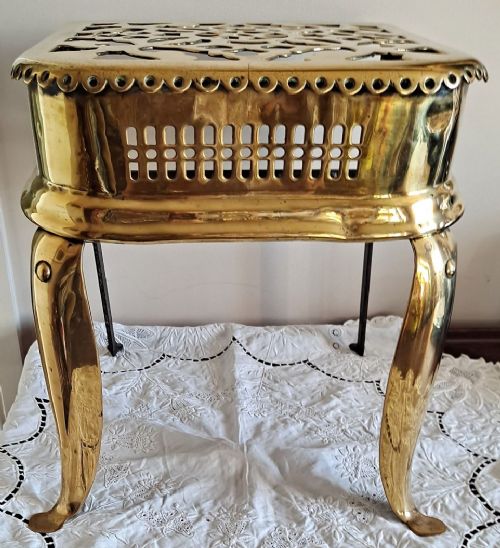



Metal Hearth Kettle
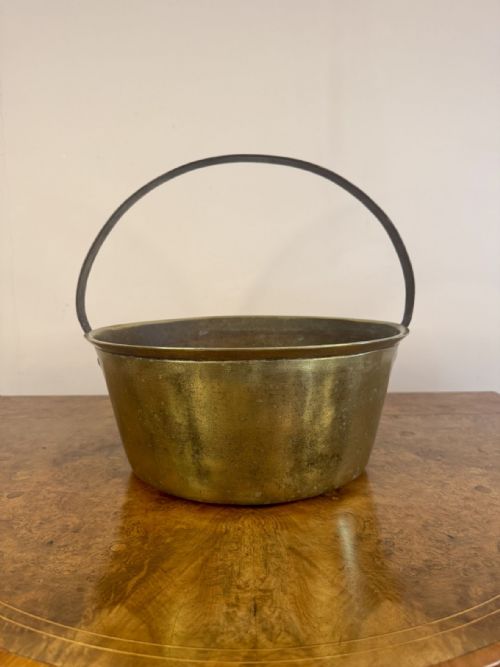
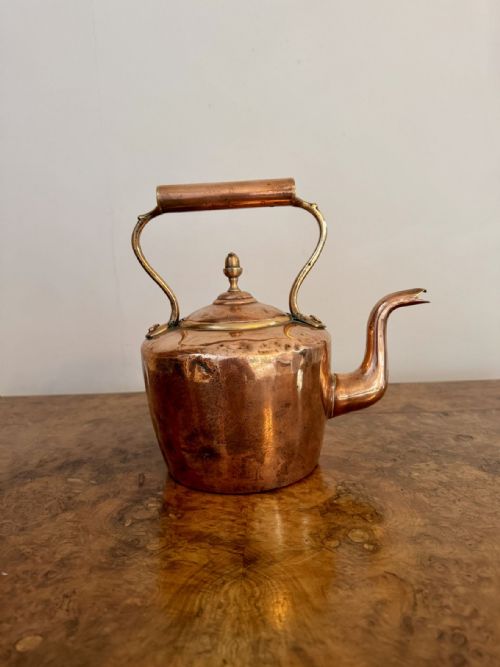
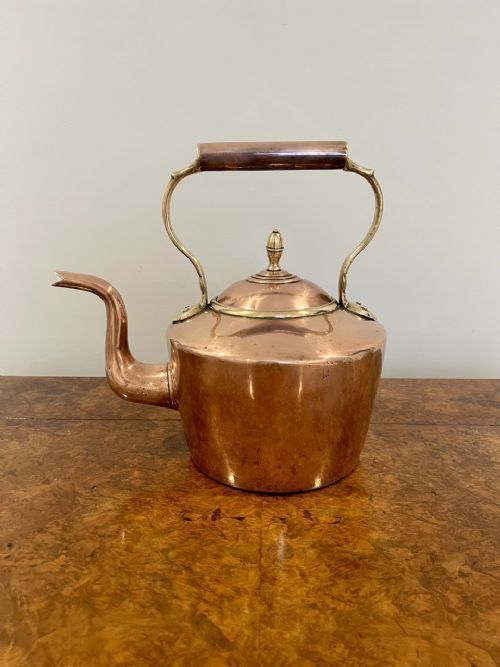
These metal hearth kettle examples range from Georgian copper to Victorian brass, built to stand by the fire and boil water.
Metal Hearth Kettle
A metal hearth kettle sits beside the fireplace, bringing utility and warmth to the room through sturdy construction in copper, brass, and iron. When you search for a metal hearth kettle, you encounter vessels designed to rest on trivets or footmen near the coals.
The most common versions on this page date from the Georgian and Victorian periods, manifesting in copper and brass bodies with sturdy handles. Alongside kettles, the selection includes brass and steel footmen and trivets that elevate the vessels to the proper heat.
How they were made
Artisans hammered and joined sheets of copper and brass, often pairing them with iron or steel for structural parts like footmen and trivets. Handles frequently incorporate wood or ebonised wood to insulate the hand from conductive metal.
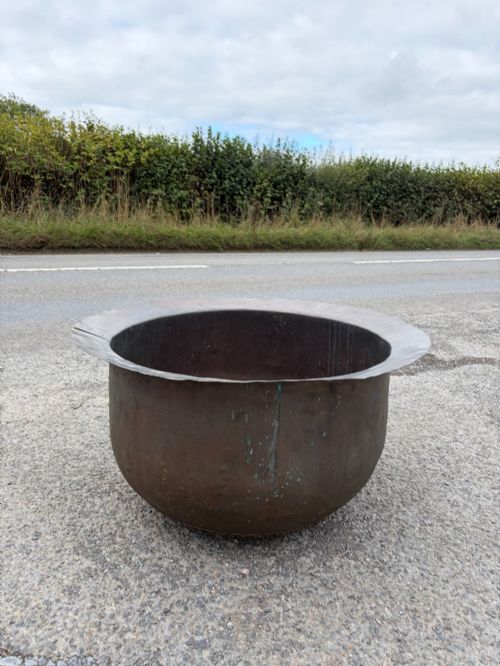
Bronze and wrought iron also appear in preserve warmers and fireside accessories, showing hand-finished surfaces and riveted construction typical of 18th and 19th century metalwork.
Metal Hearth Kettle Retail Price Guide 2026
Typical asking prices for metal hearth kettle among the pieces listed under this phrase on Sellingantiques today, from the lower quarter to the upper quarter. They describe what is for sale here now, not the wider market.
Some kettles arrived with an accidental passenger: soot from a coal fire burned over two centuries ago.
What varies in quality
Quality rests in the weight of the metal, the crispness of the hand-beaten seams, and the retention of original brass fittings and wooden handles. George III and Victorian examples show differing levels of polish and wall thickness.
Refined pieces display balanced proportions in oval or round shapes, whilst lesser examples show heavier wear or replaced components that alter the original silhouette.
The Metal Hearth Kettle Glossary
- Footman
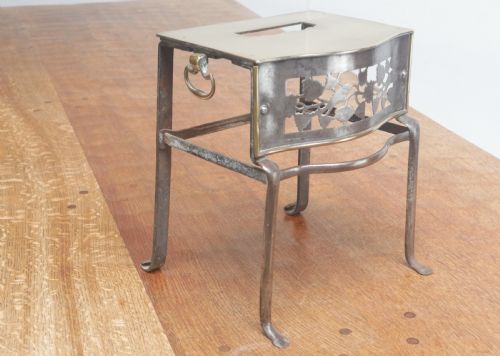
- A metal stand placed in front of the fireplace to hold a kettle or keep food warm. These accessories typically combine brass tops with steel legs.
- Trivet
- A small three-legged support used to elevate kettles and pots above the hearth floor or directly over the coals.
- Preserve warmer
- A wide, open metal pan utilised for boiling fruit and sugar over an open fire. These heavy vessels are often cast in bronze or hammered in copper.
- Ebonised wood
- Timber treated to resemble ebony, frequently turned to form the insulating handles on kettles and pots.
Metal Hearth Kettle: Frequently Asked Questions
How do I use a metal hearth kettle today?
These vessels serve primarily as decorative fireside accessories, bringing historic character to modern hearths and living spaces.
While many retain their structural integrity, modern use requires checking the interior for historic linings and secure seams before heating water.
What is the difference between George III and Victorian kettles?
George III pieces often display simpler, hand-beaten copper forms with distinct oval or round proportions dating around eighteen hundred.
Victorian examples frequently introduce brighter brass elements, varied handle treatments, and influences from later styles like Arts and Crafts.
What is a footman used for?
A footman acts as a fireside stand, positioning a kettle or pot closer to the warmth of the hearth.
Placed directly in front of the fire, the steel and brass construction supports heavy vessels safely above the hearth floor.
How do I clean a copper kettle?
Gentle washing with warm soapy water preserves the historic surface without stripping the aged patina accumulated over centuries.
Avoid harsh abrasives that remove the character developed since the Georgian or Victorian eras.