



Metal Handle Cane
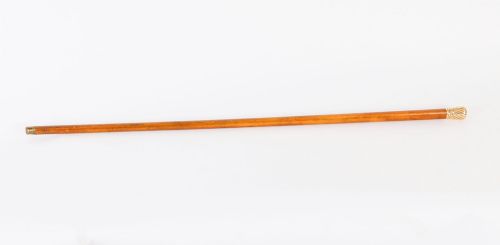
A metal handle cane brings together sturdy shafts and distinguished grips, offering collectors a practical accessory with significant historical character.
Metal Handle Cane
When buyers search for a metal handle cane, they encounter walking sticks featuring substantial grips cast, forged or beaten from various metals. The selection ranges from nineteenth-century walking sticks with precious metal pommels to carved wood shafts finished with distinctive metal tops.
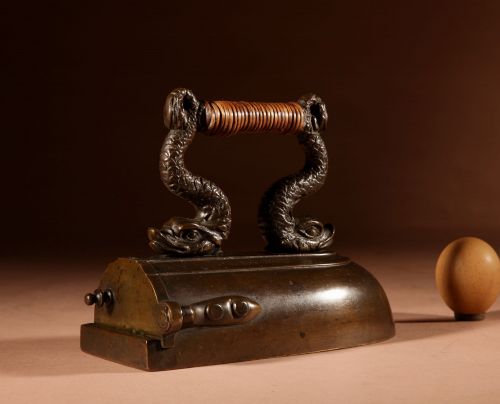
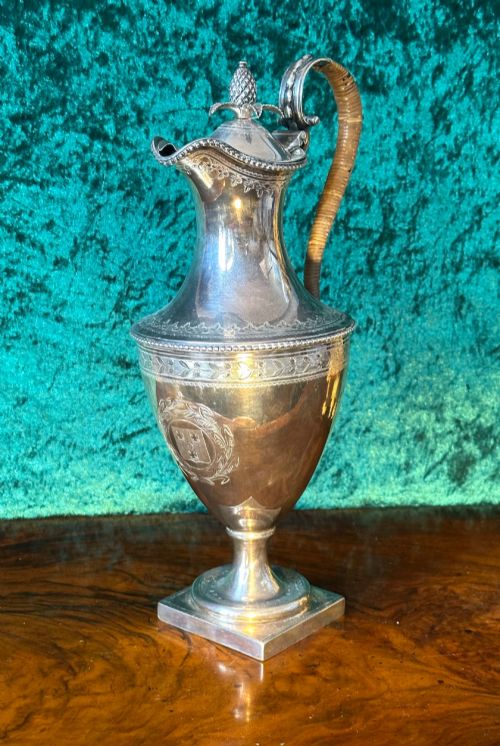
Most examples found here date across the nineteenth and early twentieth centuries, reflecting Victorian, Edwardian and Arts and Crafts tastes. Alongside traditional walking sticks, the category occasionally captures related items where metal and cane intersect in domestic utility.
Makers fashioned these pieces to serve as both daily supports and gentlemanly accessories, drawing on styles from French Empire to Aesthetic Movement. The core of the selection remains walking sticks and canes fitted with secure, decorative metal handles.
How they were made
Craftsmen shaped these canes using traditional materials such as wood, cane, pewter, brass, bronze, silver and eighteen-carat gold. Metal handles were cast or beaten into pommels and grips, then secured to wooden or cane shafts.
Makers also applied plating techniques or incorporated enamel details, particularly during the Arts and Crafts period. Workshops balanced the weight of the metal handle against the flexibility and strength of the supporting shaft.
Metal Handle Cane Retail Price Guide 2026
Typical asking prices for metal handle cane among the pieces listed under this phrase on Sellingantiques today, from the lower quarter to the upper quarter. They describe what is for sale here now, not the wider market.
Materials documented across the inventory include eighteen-carat gold, silver, bronze, pewter, brass, wood, and cane.
What varies in quality
Quality rests on the integrity of the materials and the precision of the metalwork on the grip. Solid precious metals or finely chased bronze and brass display superior craftsmanship compared to simpler plated surfaces.
The connection between the handle and the shaft determines the durability and overall finish of the piece. A well-balanced cane shows seamless integration of the metal pommel with the underlying wood or cane body.
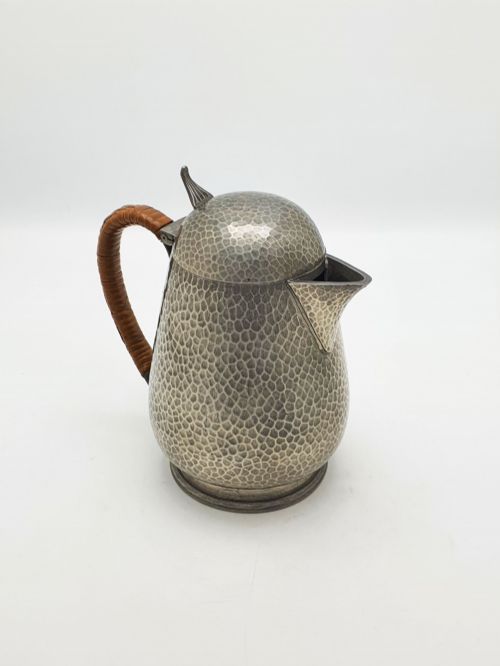
Archibald Knox for Liberty and Co
The Metal Handle Cane Glossary
- Pommel
- The rounded or decorative knob on the end of a cane handle. It provides a comfortable grip for the hand.
- Pewter
- A malleable metal alloy of tin mixed with copper and antimony. It was frequently utilised during the Arts and Crafts movement for domestic metalwork and handles.
- Aesthetic Movement
- A late nineteenth-century design style focusing on visual and tactile beauty over narrative function. Pieces from this era often emphasise pure form and decorative craftsmanship.
- Arts and Crafts
- A design movement valuing traditional handcraft and simple forms. It rejected mass production in favour of individual artistic expression.
Metal Handle Cane: Frequently Asked Questions
What are metal handle canes made from?
These canes combine shafts of wood or natural cane with handles formed from brass, bronze, pewter, silver, or gold. Artisans selected materials based on durability and the desired decorative finish.
Precious metals provided high status, while base metals offered sturdy everyday utility for nineteenth-century owners.
How do I date a metal handle cane?
Dating relies on stylistic clues from the metal handle and the construction of the shaft. Victorian and Edwardian examples often feature distinct ornamentation characteristic of their specific decades.
Examining hallmarks on silver or gold pommels also helps pinpoint the exact year and maker of the metal component.
How should I care for a metal handle cane?
Protect the metal grip by cleaning it gently with a dry or slightly damp cloth, avoiding harsh chemical polishes. Store the cane upright in a dry environment to prevent warping in the wooden shaft.
Treating the wooden portion with appropriate wax preserves the finish without harming the attached metal components.
Were these canes used for walking?
Most pieces served as practical walking aids and fashionable accessories for daily strolls. The sturdy metal handles provided a secure grip for the user.
Certain decorative variants functioned primarily as status symbols or formal accompaniments for gentlemen and gentlewomen.