



Metal Garden Vessels
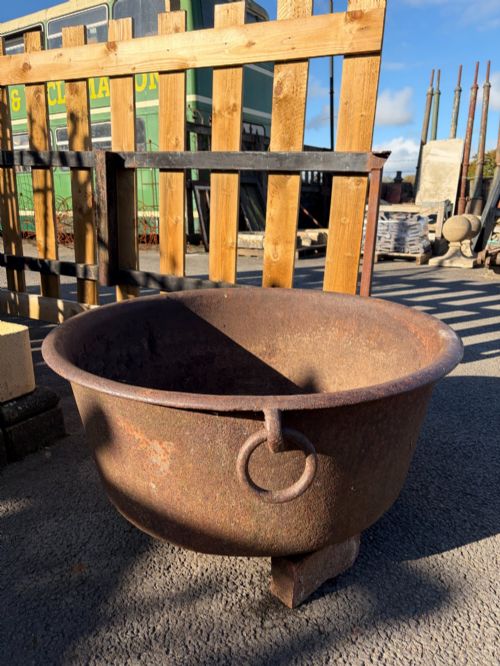
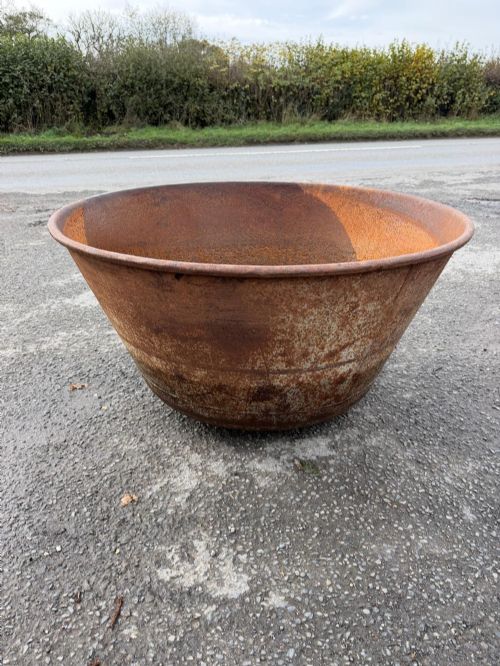
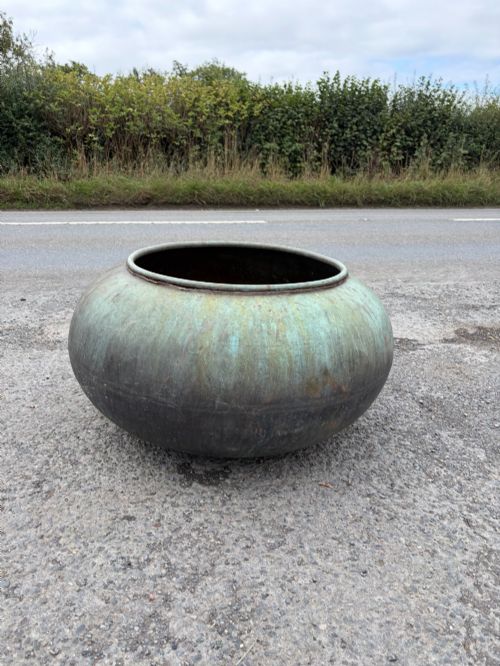
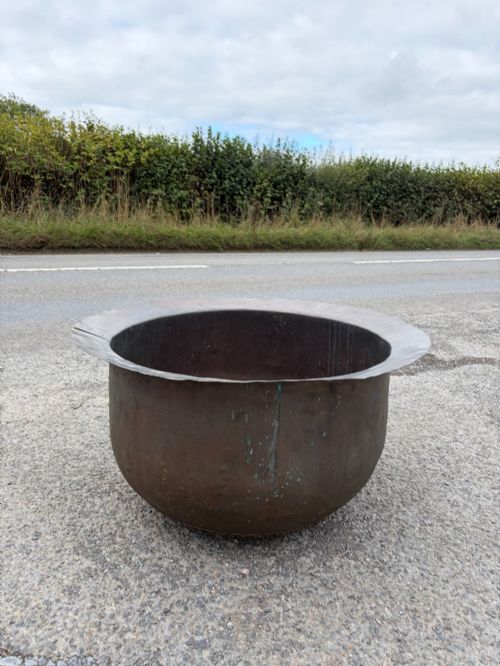
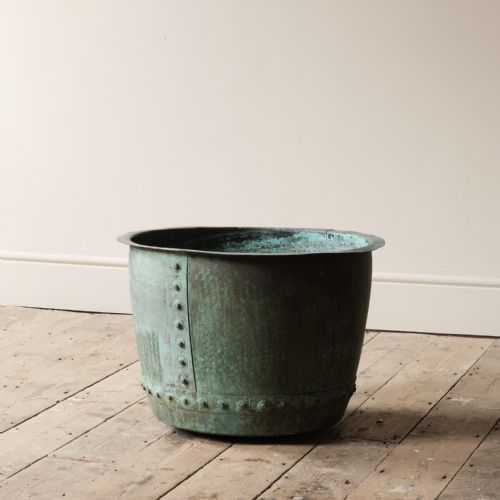
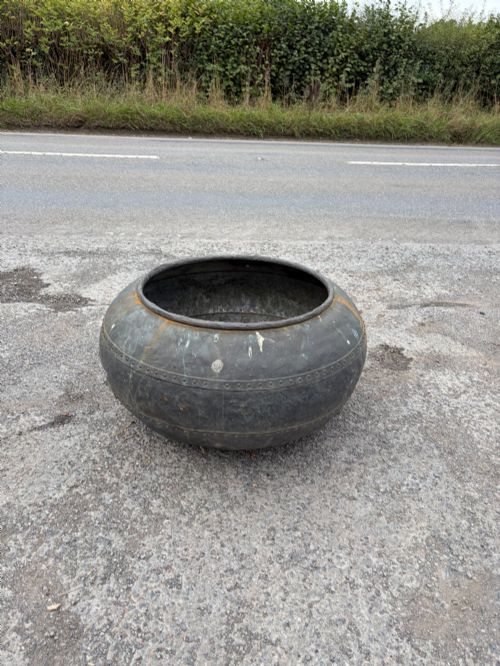
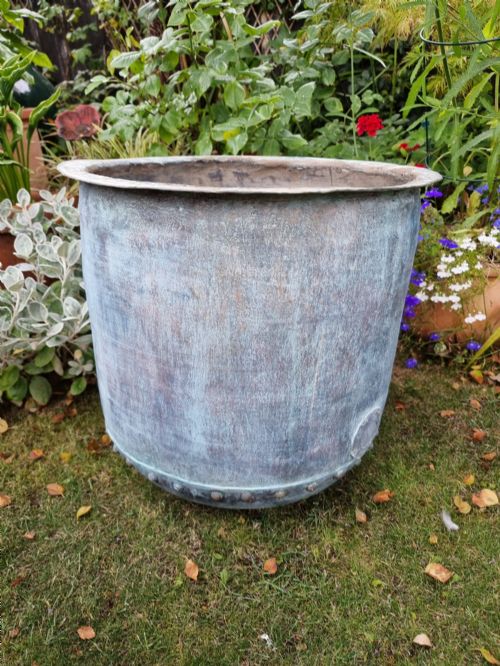
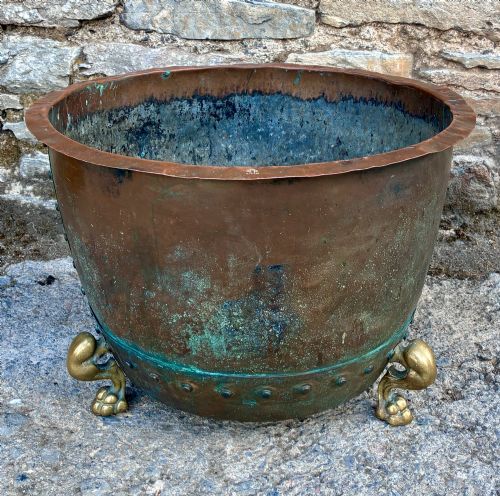
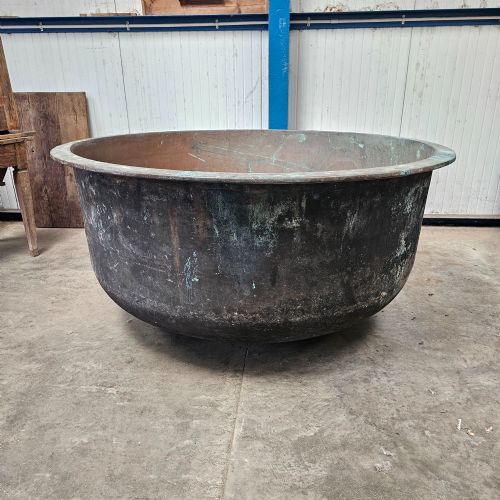
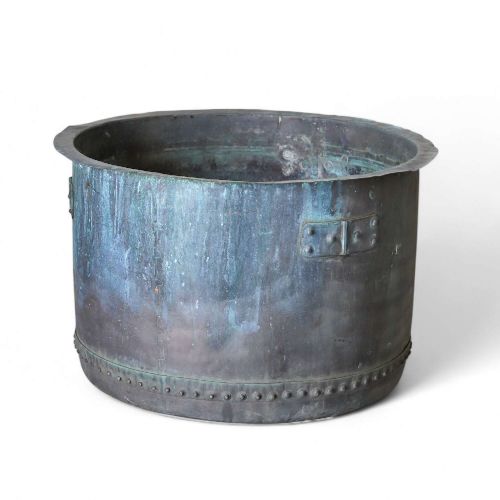
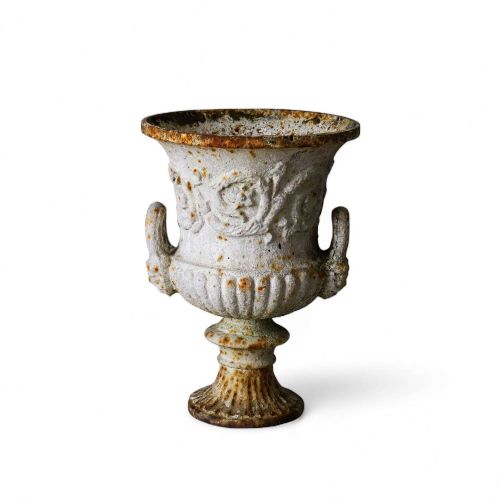
Metal garden vessels bring substance to a planting scheme, ranging from heavy cast iron campana urns to large hand-riveted copper display pots.
Metal Garden Vessels
Metal garden vessels encompass a sturdy range of utilitarian and decorative items formed from copper, iron, brass, and bronze. These pieces originate predominantly from the nineteenth century, including Victorian utility and rustic farmhouse forms.
Buyers encountering this selection will frequently find large copper pots, cauldrons, log bins, and heavy cast iron garden urns. Watering cans and unusual items such as antique hip baths and temple vessels also appear.
The assortment spans English, French, Chinese, and Japanese origins, combining practical horticultural containers with sculptural garden ornaments.
How they were made
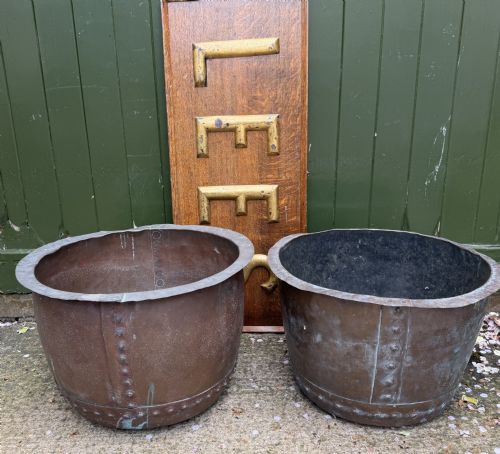
Construction relies heavily on durable metalworking techniques suited to the material, such as hand-riveting thick copper sheets for large planters and boilers. Foundries cast iron and bronze into substantial urns and temple vases, often bearing maker marks or inscribed script.
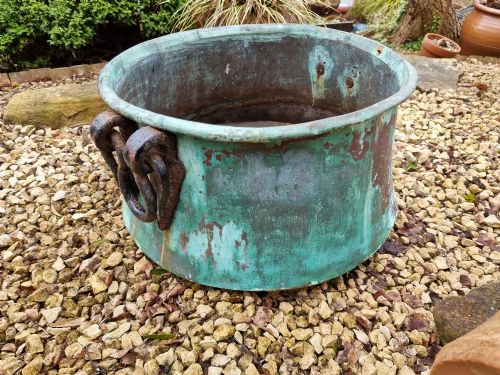
Surfaces display the honest results of age and exposure, including rich natural patinas, verdigris finishes, and traces of old paint. Wrought iron handles and fittings are attached securely to heavy copper bodies designed for rigorous daily use.
Metal Garden Vessels Retail Price Guide 2026
Typical asking prices for metal garden vessels among the pieces listed under this phrase on Sellingantiques today, from the lower quarter to the upper quarter. They describe what is for sale here now, not the wider market.
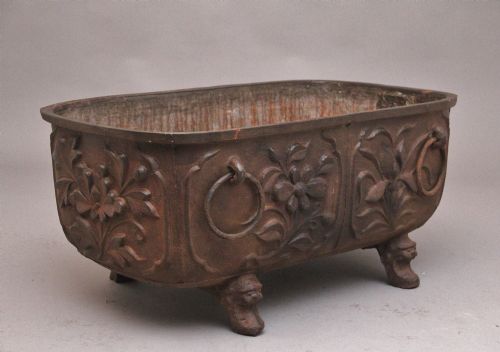
Several nineteenth-century hip baths now serve second lives as deep garden planters.
What varies in quality
Quality rests on the integrity of the original construction and the character of the surface wear. Riveted copper vessels show superior craftsmanship where seams remain tight and the metal retains structural thickness.
Cast iron and bronze pieces differ in the crispness of their moulding and the depth of the weathered surface. Examples from noted foundries or specific regional origins command attention for their distinct sculptural presence.
Andrew Handyside·Val D Osne Foundry
The Metal Garden Vessels Glossary
- Campana urn
- A bell-shaped garden vessel popular in the nineteenth century. These classical urns stand on pedestal bases and suit formal planting schemes.
- Verdigris
- A green patina formed naturally on copper, brass, or bronze through atmospheric exposure. This surface oxidation protects the underlying metal.
- Jardiniere
- An ornamental pot or stand designed to hold growing plants or flowers. They appear in heavy cast iron and copper across this selection.
- Cauldron
- A large metal pot with a wide mouth, often fitted with a wrought iron swing handle. Originally utilitarian, these pieces adapt well to garden planting.
Metal Garden Vessels: Frequently Asked Questions
How do I use a copper cauldron outdoors?
Large copper cauldrons and pots serve well as statement planters for shrubs or small trees. Ensure proper drainage by drilling holes if necessary, or place potted plants directly inside.
The metal handles and riveted seams tolerate outdoor conditions well, developing a richer verdigris surface over time when exposed to the elements.
Are cast iron urns frost proof?
Nineteenth-century cast iron urns are exceptionally sturdy and withstand normal winter weather outdoors. Their heavy weight keeps them stable on garden terraces and lawns.
Water accumulation freezing inside unplanted vessels can exert pressure, so positioning them with adequate drainage prevents cracking.
What is a copper log bin used for?
Log bins were originally manufactured to store firewood beside a hearth, constructed from heavy gauge copper with sturdy handles. Their generous proportions make them equally suitable for holding large plants in a garden setting.
The aged copper finish bridges interior and exterior spaces effectively.
How do I identify a nineteenth-century watering can?
Victorian watering cans in brass or copper feature soldered seams, riveted handle attachments, and long spouts designed for precise greenhouse or garden watering. Quality examples display balanced proportions and maker stamps.
Over decades of use, these cans acquire dents and patinas that reflect their working history.