





Metal Garden Statue
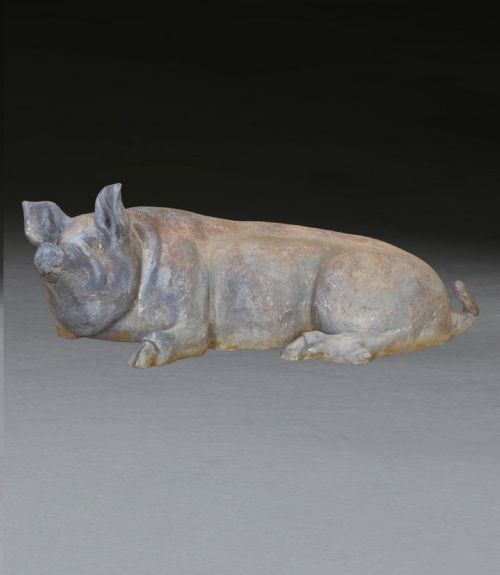
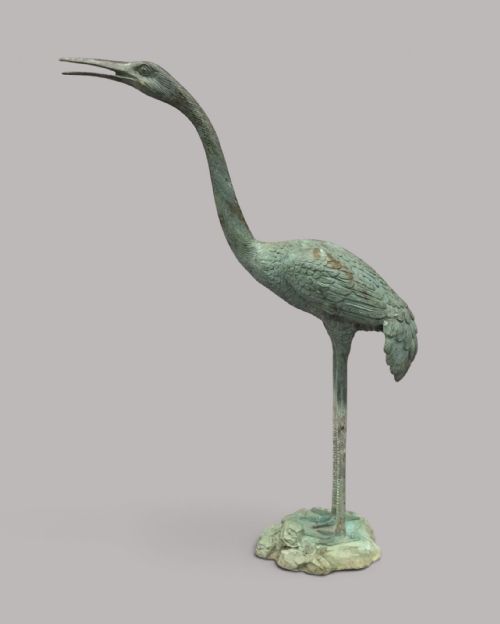
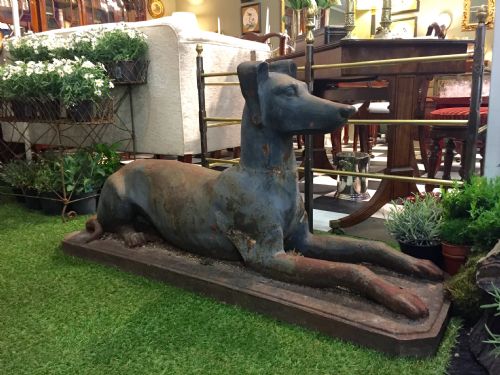
These metal garden statue pieces bring enduring character to outdoor spaces, crafted in bronze, iron, and lead across Victorian and twentieth-century eras.
Metal Garden Statue
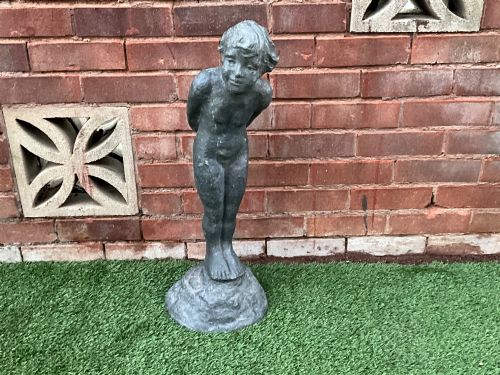
A metal garden statue brings formal presence or rustic charm to outdoor grounds, taking forms from animal figures to human representations. When searching for a metal garden statue, buyers encounter everything from life-size bronze beasts to small cast iron architectural pieces.
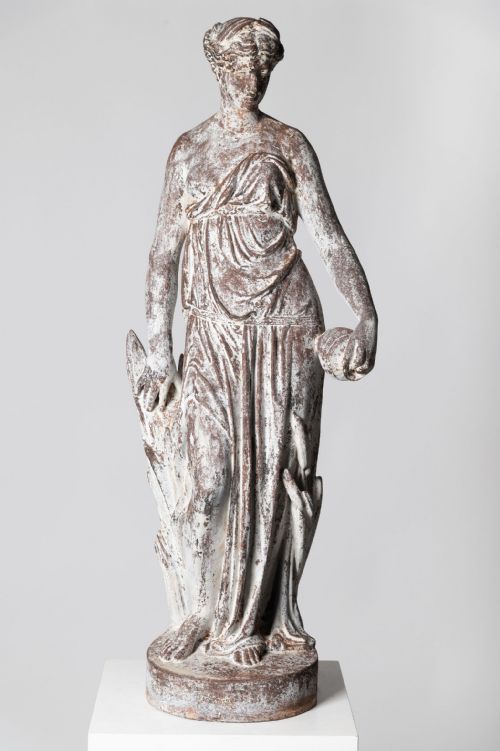
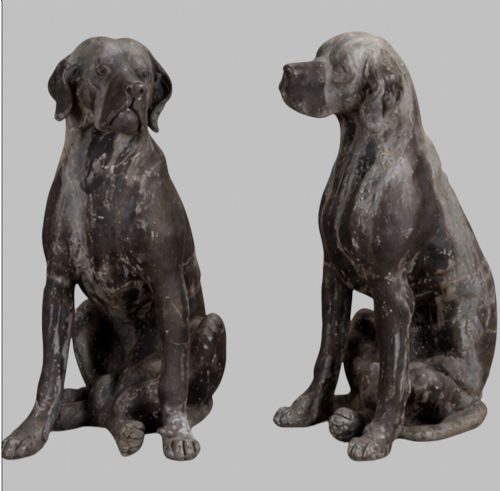
The selections span distinct periods including the eighteenth century, Victorian era, and early twentieth century. Common manifestations feature cast lead hounds, bronze birds, and iron figures set within English country and neoclassical styles.
Makers and foundries such as Val d’Osne shape the scope of these objects. Pieces range from utilitarian bird scarers and hitching posts to grand decorative sculptures.
Materials and methods
Foundries utilise traditional casting techniques to shape bronze, cast iron, and lead into detailed figures. Molten metal flows into moulds to capture realistic textures, feathers, and anatomical forms.
Surfaces often display weathered paint finishes or natural oxidation built up over decades outdoors. Artisans employ lasting metals to withstand outdoor elements while maintaining sculptural detail.
Metal Garden Statue Retail Price Guide 2026
Typical asking prices for metal garden statue among the pieces listed under this phrase on Sellingantiques today, from the lower quarter to the upper quarter. They describe what is for sale here now, not the wider market.
An inquisitive owl bird scarer stands ready to protect the vegetable patch from feathered intruders.
Distinctions in quality
Superior examples demonstrate anatomical precision and confident modeling by skilled sculptors or noted foundries. Lesser pieces rely on simpler casting methods with less refined surface detail.
The integrity of the original metal and the depth of surface weathering distinguish exceptional garden ornaments from standard production items. Scale and presence also separate monumental life-size sculptures from smaller decorative figures.
Val d Osne foundry·Henri Jaquesmart
The Metal Garden Statue Glossary
- Cast iron
- A strong alloy poured into moulds to create rigid decorative objects. It frequently appears in Victorian hitching posts and animal figures.
- Lead
- A heavy, malleable metal favoured for garden statuary due to its weathering properties. Eighteenth-century and Victorian lead figures develop a distinctive soft patina over time.
- Bronze
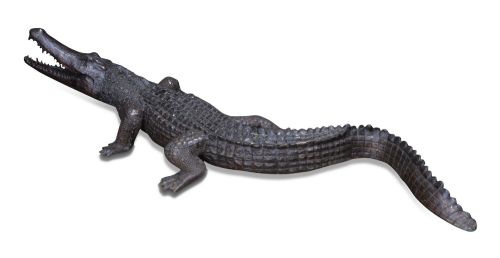
- A copper alloy valued for strength and fine detail retention in life-size animal and human sculptures. It allows for complex casting of forms like cranes, crocodiles, and horses.
- Neoclassical
- A style drawing inspiration from classical antiquity, often seen in formal garden ornaments and figures. It reflects classical proportions and mythological subjects.
- Okimono
- A Japanese term for a decorative object or sculpture intended for display. These pieces bring detailed realism to garden settings.
Metal Garden Statue: Frequently Asked Questions
How do I care for a metal garden statue?
Most metal pieces require minimal maintenance beyond gentle cleaning to remove debris. Allowing natural weathering to develop enhances the historic surface character.
Bronze and lead tolerate outdoor exposure well, while cast iron benefits from monitoring for surface rust if painted finishes wear away.
Where should I place a metal statue outdoors?
Position statues as focal points at the end of garden paths, among shrubbery, or on stone terraces. Life-size animal figures work well half-hidden in planting beds.
Ensure heavy items like iron horses or lead hounds sit on stable, level ground to prevent shifting over time.
How do I identify the period of a garden statue?
Examine the casting quality, material composition, and surface weathering patterns. Eighteenth and nineteenth-century pieces often display hand-finished details and heavier lead or iron construction.
Stylistic cues such as Victorian neoclassical motifs or early twentieth-century realism help narrow down the date of manufacture.
Are these statues suitable for indoor display?
Many garden sculptures transition successfully indoors to interior halls, conservatories, or large living spaces. Their sculptural forms and weathered patinas add architectural weight to rooms.
Consider the heavy weight of cast iron and bronze pieces before placing them on delicate interior flooring.