







Metal Garden Plant Stand
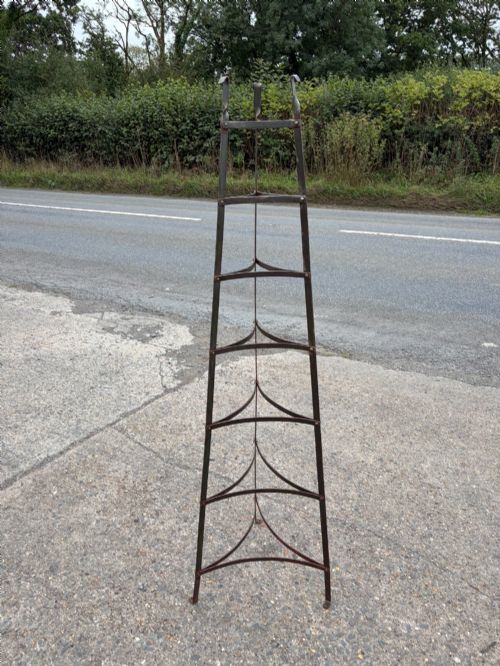
These metal garden plant stand pieces range from tiered Victorian work to estate-made wrought iron racks, offering robust outdoor display for pots and jardinieres.
Metal Garden Plant Stand
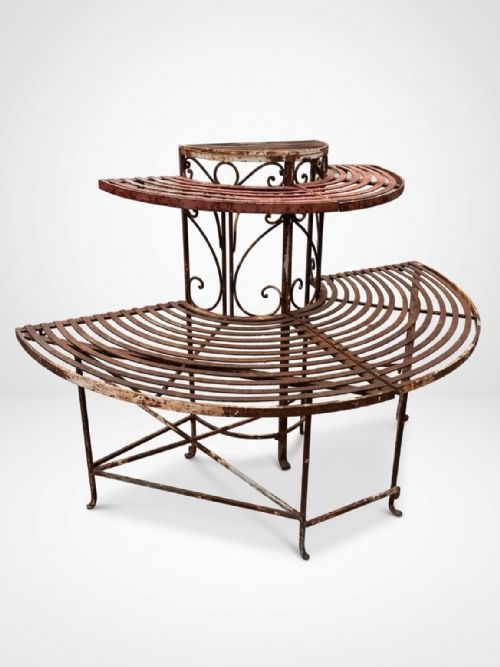
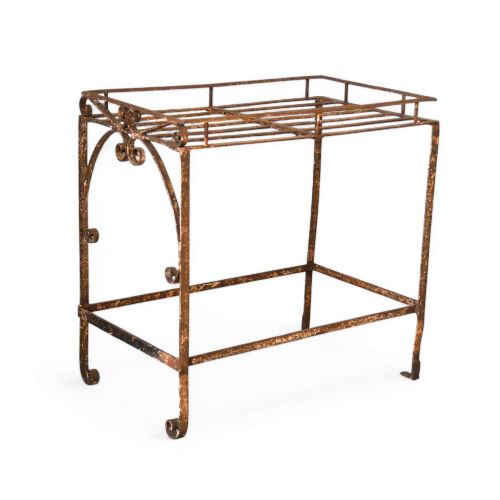
A metal garden plant stand serves to elevate pots, urns, and jardinieres within conservatories, patios, and gardens, utilising durable metal construction to support heavy plantings. When searching for a metal garden plant stand, buyers encounter a variety of forms spanning the nineteenth century up through the nineteen-twenties, including tiered structures, corner units, and low tables.
Materials vary across these offerings, predominantly featuring wrought iron and cast iron alongside wirework, zinc, and sheet metal. Occasional pieces incorporate oak elements, whilst painted finishes in white, green, and black protect the metal surfaces against outdoor weathering.
How they were made
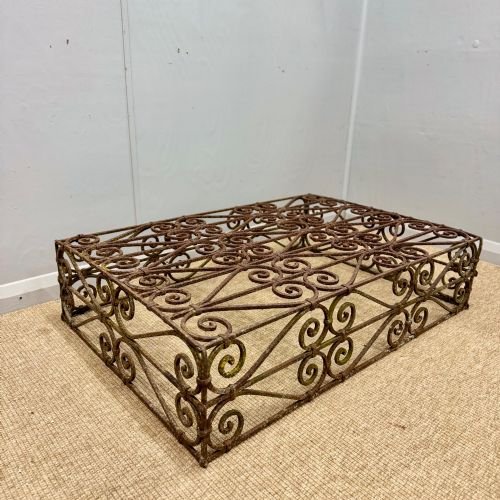
Makers utilised cast iron for rigid structural forms, pouring molten metal into moulds to create heavy urns, ornate tables, and sturdy plant stand bases. Wrought iron pieces relied on blacksmiths manually heating, bending, and hammering bars into scrolls, lattice baskets, and supportive frames.
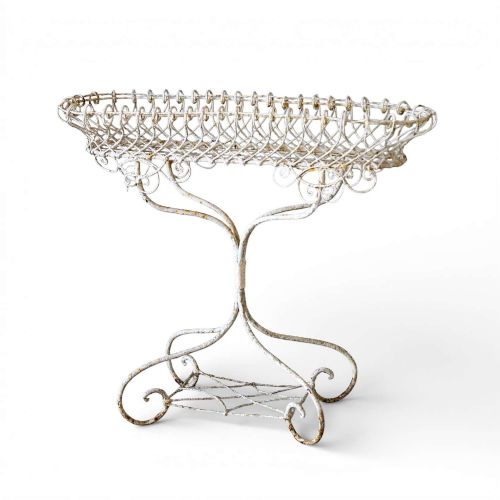
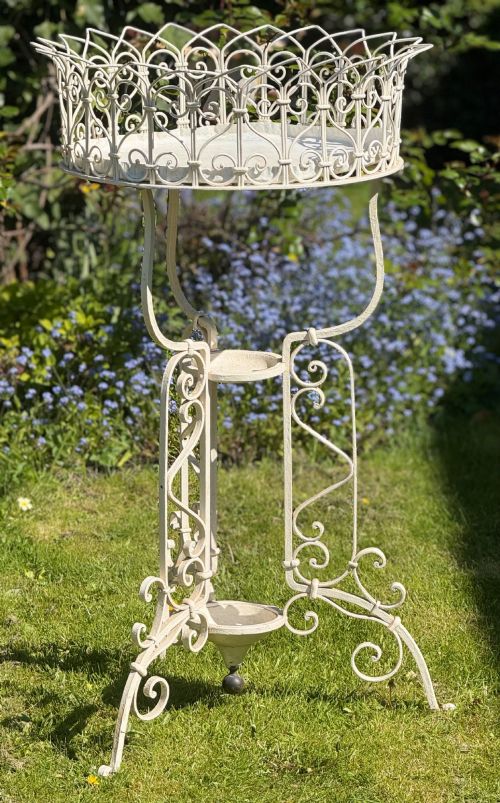
Wirework constructions employed interlinked wire to form lightweight yet resilient tiered planters and conservatory plant stands suited for displaying delicate flora. Rivets, straps, and paint coatings completed the fabrication process, securing joints and providing resistance to garden moisture.
Metal Garden Plant Stand Retail Price Guide 2026
Typical asking prices for metal garden plant stand among the pieces listed under this phrase on Sellingantiques today, from the lower quarter to the upper quarter. They describe what is for sale here now, not the wider market.
Listings span the nineteenth century to the nineteen-twenties, incorporating periods such as Victorian, Edwardian, and Georgian alongside styles like French Country, Rococo Revival, and Neoclassical.
What varies in quality
Quality reveals itself in the complexity of the scrollwork, the crispness of cast details on urns and stands, and the proportional balance of tiered structures. Estate-made or bespoke pieces often exhibit individual decorative details that set them apart from standard production items.
The integrity of the metalwork, whether hand-forged wrought iron or finely cast iron, dictates the durability and visual weight of the stand. Preserved original paint layers and thoughtful structural engineering, such as riveted joints and sturdy leg bracing, elevate the calibre of the piece.
The Metal Garden Plant Stand Glossary
- Wrought iron
- Iron that is heated and hammered into shape by hand, resulting in a fibrous structure and flexible strength. This material frequently appears in scrollwork and garden racks.
- Cast iron
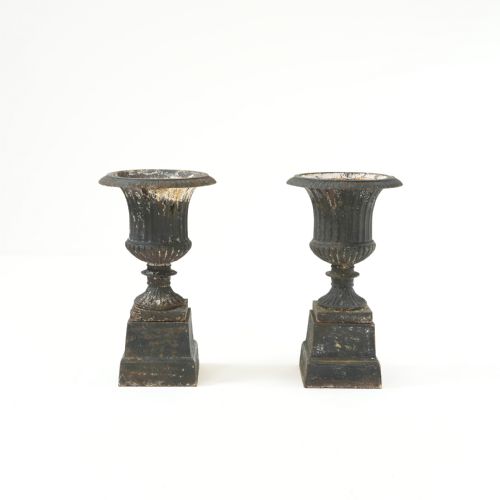
- Iron poured into a mould to create rigid, heavy objects with defined decorative details. It is common in nineteenth-century urns, tables, and plant stands.
- Wirework
- Metal strands shaped and joined to create lightweight, open-framework planters and stands. Edwardian and Victorian examples often utilise this technique for conservatory displays.
- Campana urn
- A bell-shaped garden vessel mounted on a pedestal base. These frequently appear in cast iron on plinths within the listings.
- Jardiniere
- An ornamental pot or stand designed to hold plants or flowers. Examples range from iron framework stands to lined wooden containers.
Metal Garden Plant Stand: Frequently Asked Questions
How do I date an iron plant stand?
Dating relies on observing construction techniques, material choices, and stylistic markers such as Victorian scrollwork or Edwardian wirework.
Nineteenth-century examples often display hand-forged wrought iron details or heavy cast iron components, whereas later pieces incorporate riveted sheet metal or strapp work from the nineteen-twenties.
Can these plant stands stay outdoors?
Most of these pieces are constructed from durable cast iron, wrought iron, or zinc, designed to withstand garden environments.
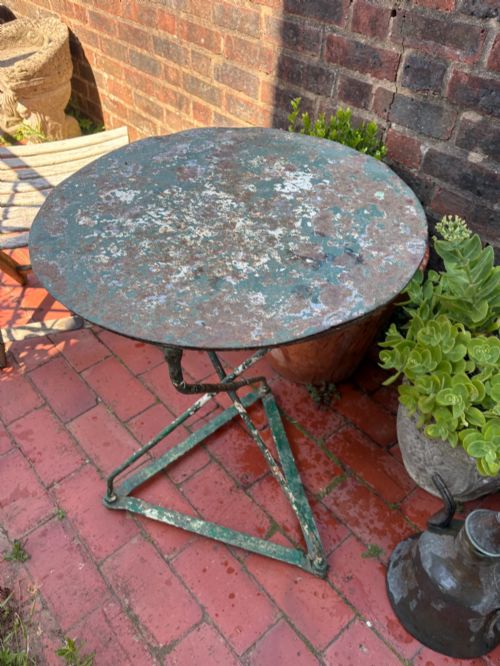
Applying protective paint finishes helps preserve the metal against weathering, though delicate wirework or indoor conservatory pieces benefit from sheltered placement during harsh seasons.
What is the difference between cast iron and wrought iron?
Cast iron is poured into moulds while molten, creating heavy, rigid forms with detailed ornamentation like urns and sturdy plant stand bases.
Wrought iron is worked by hand while hot, yielding fibrous, bendable metal ideal for scrollwork, lattice baskets, and estate-made racks.