



Metal Garden Ornament
Metal garden ornament pieces bring sculptural presence and architectural weight to planting schemes through durable materials like cast iron, lead and bronze.
Metal Garden Ornament
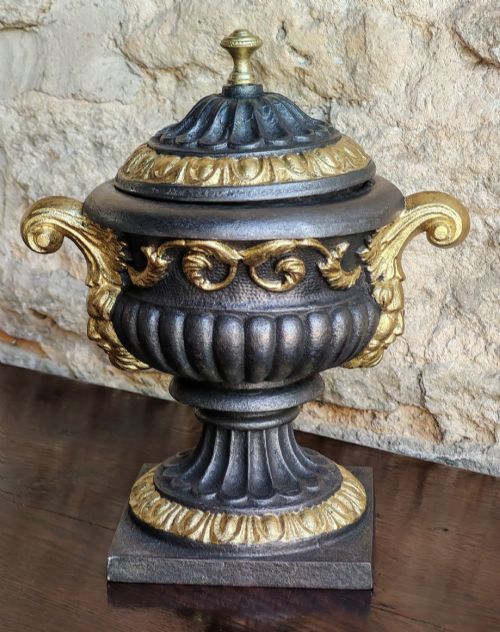
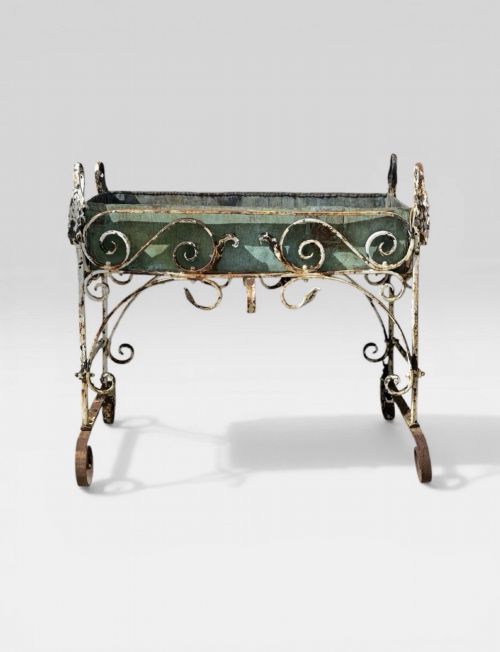
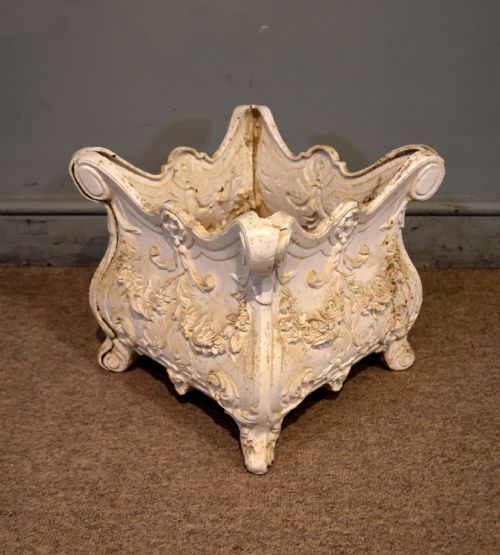
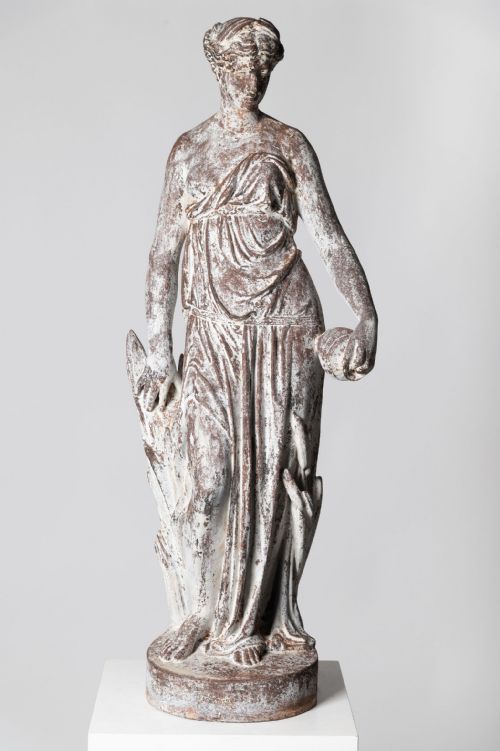
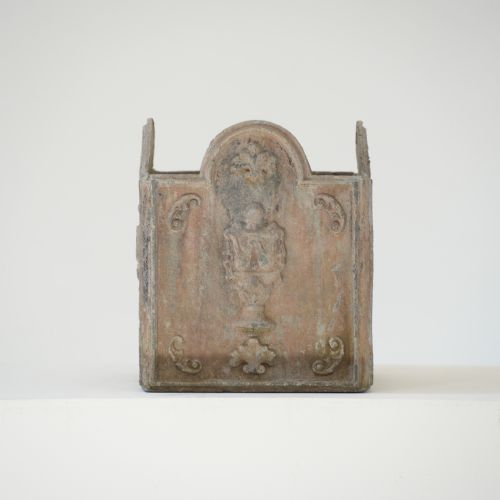
A metal garden ornament ranges from utilitarian planters and campana urns to figural statues, sundials and animal sculptures. Buyers encounter pieces intended to anchor focal points in grounds, terraces and courtyards.
The selections span centuries of British, French and Japanese design, incorporating styles from Victorian classical revival and Georgian elegance to folk art and English country aesthetics. Cast iron urns and lead planters appear frequently across the periods.
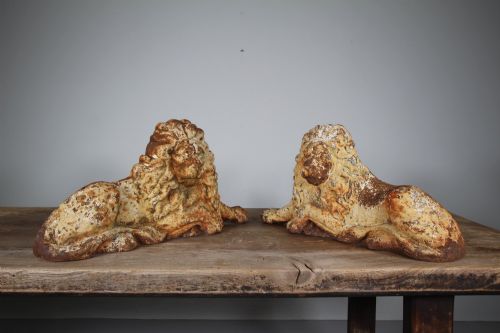
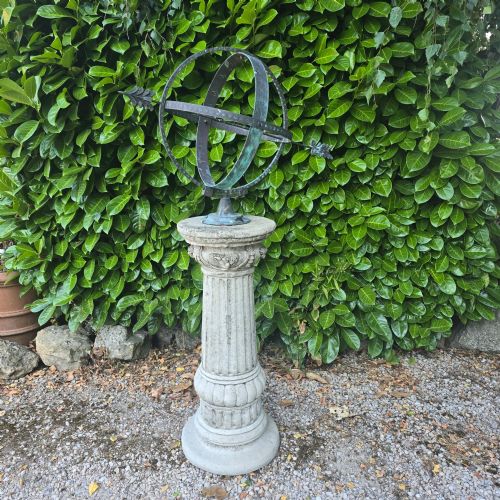
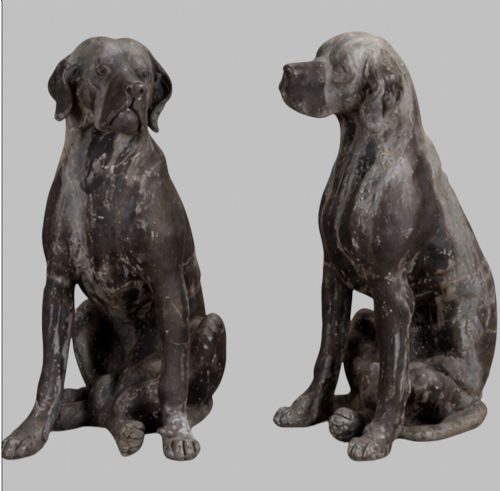
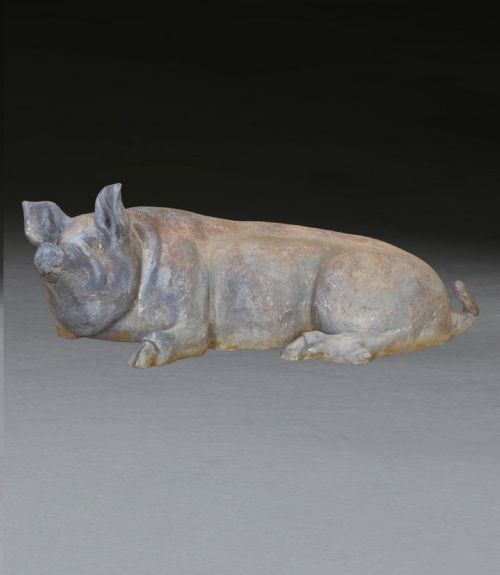
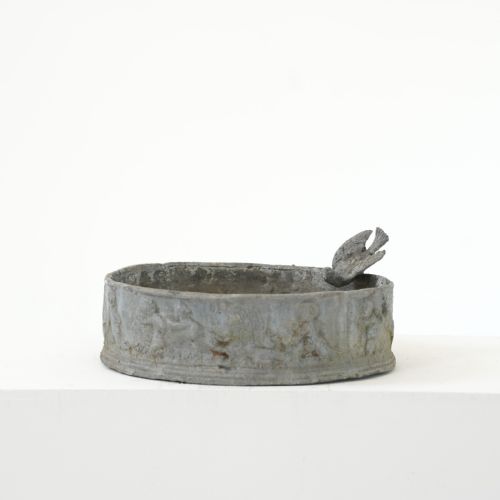
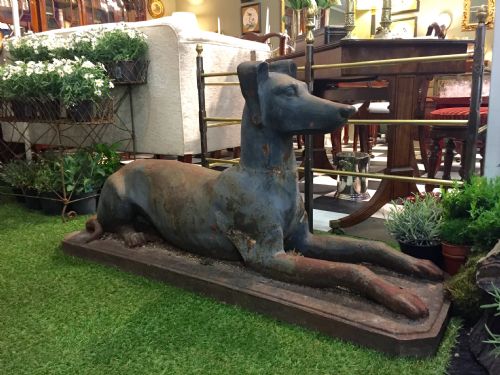
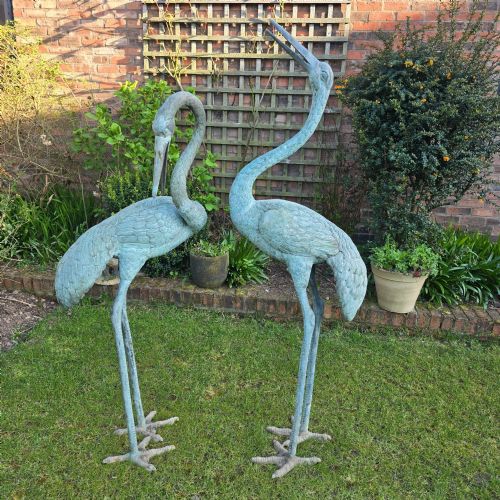
Forms include bird baths, armillary spheres, hitching posts, weathervanes and life-size animal figures such as hounds, cranes and geese. These objects served functional roles or acted purely as decorative focal points in historic landscapes.
What varies in quality
Sculptural refinement and the crispness of the casting separate standard foundry output from masterworks. Sharp relief work on figures and foliage indicates superior pattern making and careful finishing.
The integrity of the material and the character of the surface patination dictate the visual success of the piece. Weathered surfaces developed over decades through exposure to the elements enhance authenticity.
Metal Garden Ornament Retail Price Guide 2026
Typical asking prices for metal garden ornament among the pieces listed under this phrase on Sellingantiques today, from the lower quarter to the upper quarter. They describe what is for sale here now, not the wider market.
The listings feature cast iron, lead and bronze objects spanning from the eighteenth century through the 1940s.
Andrew Handyside·Coalbrookdale·Val d Osne foundry·Miller And Adie
The Metal Garden Ornament Glossary
- Campana urn
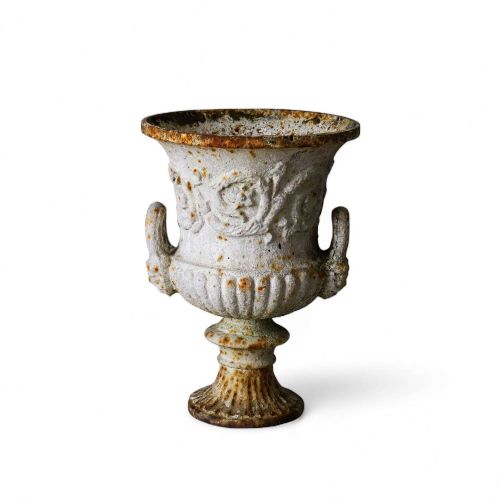
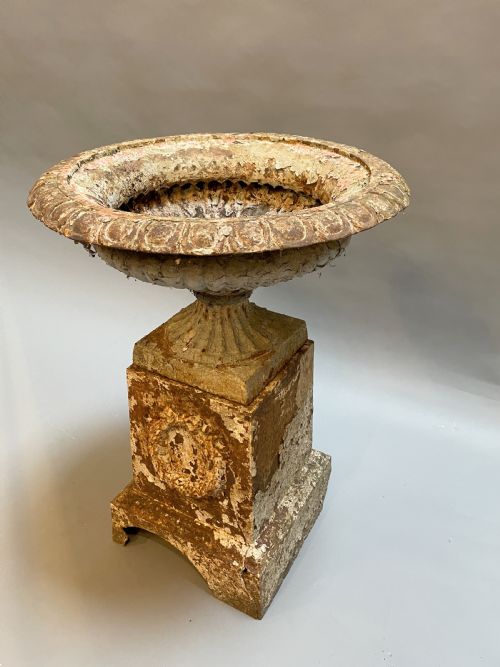
- A bell-shaped garden vessel with an everted rim, often mounted on a pedestal base. These classic forms derive from antique Roman pottery and metal prototypes.
- Armillary sphere
- An astronomical model consisting of interlocking metal rings centred on a globe representing the earth. These devices serve as garden sundials and decorative focal points.
- Putto
- A chubby male child figure, frequently winged, depicted in garden statuary and architectural ornamentation. These figures originate from classical renaissance art.
- Okimono
- A Japanese decorative statue designed for display in domestic interiors or gardens. Subjects include birds and animals rendered with naturalistic precision.
- Weathervane
- A moveable architectural fixture mounted on a pivot to indicate wind direction. Traditional versions feature copper silhouettes of animals or historic figures.
Metal Garden Ornament: Frequently Asked Questions
How do I place heavy metal garden ornaments?
Heavy cast iron urns and lead figures require level foundations on stone or reinforced paving to prevent shifting over time. Substantial pieces can support their own weight on lawns if the ground beneath is firmly compacted.
Position items where changing daylight highlights their casting details and patination throughout the seasons. Ensure proper drainage holes in planters remain clear to protect the metal from internal frost damage.
Can lead garden ornaments stay outside in winter?
Lead ornaments withstand winter weather exceptionally well because the metal resists corrosive oxidation and accommodates temperature fluctuations without cracking. Their natural protective patina deepens when exposed to rain and frost.
Protect hollow lead figures from accumulating standing water that could freeze and expand inside the casting. Ensure planters are elevated slightly on feet to allow moisture to drain freely away from the base.
How do I identify a Victorian cast iron urn?
Victorian cast iron urns typically display deep campana profiles decorated with classical acanthus leaves, egg-and-dart rims and heavy stepped pedestals. Examining the interior surfaces often reveals sand-casting textures and maker marks corresponding to known nineteenth-century foundries.
Compare the weight and thickness of the metal against known period examples, as older castings tend to have substantial heft. Surface oxidation and layered historical paint finishes help confirm genuine age.