




Metal Framed Mirror
A metal framed mirror brings weight and reflection to a room, shifting from Victorian brass to Arts and Crafts copper.
Metal Framed Mirror
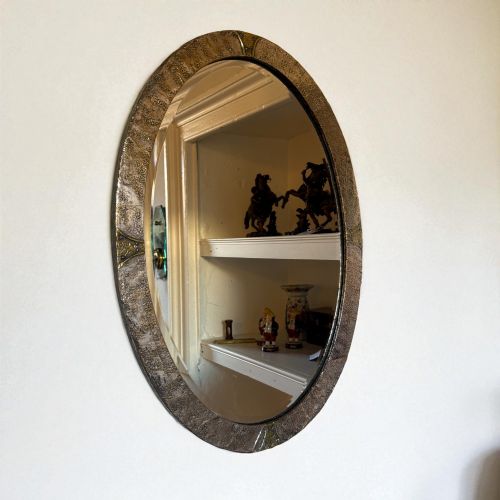
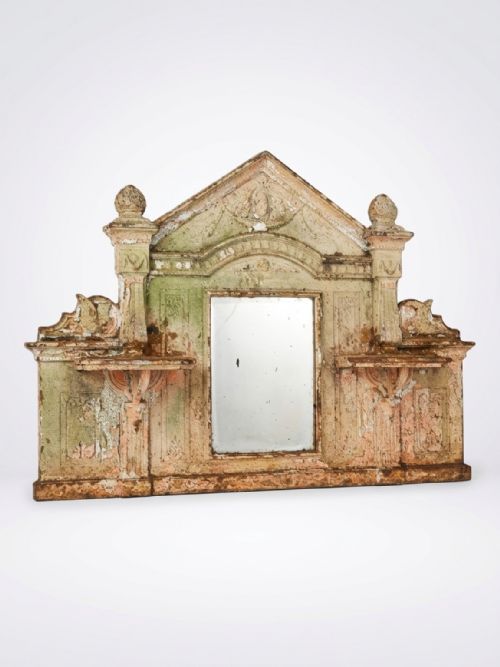
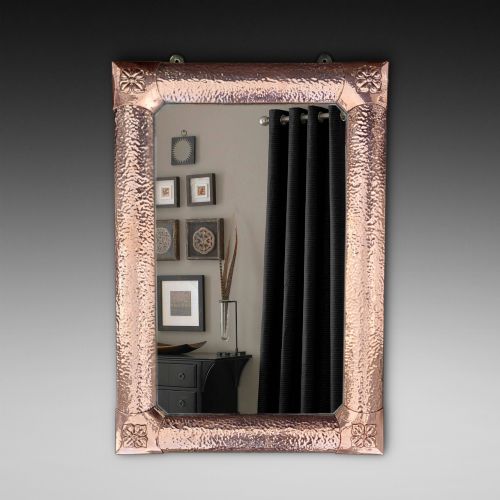
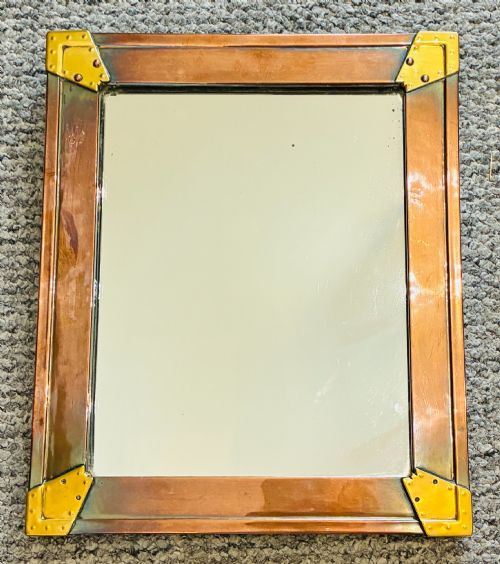
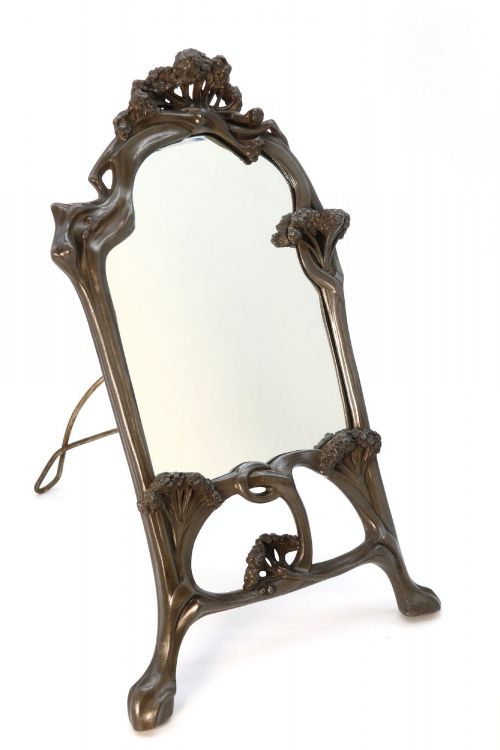
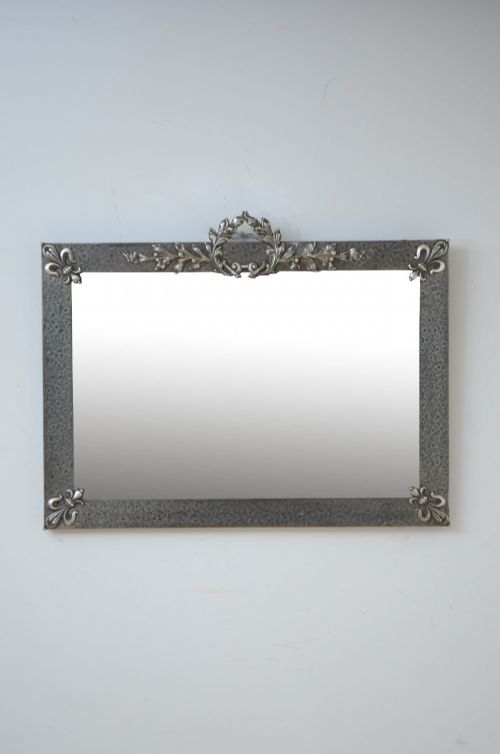
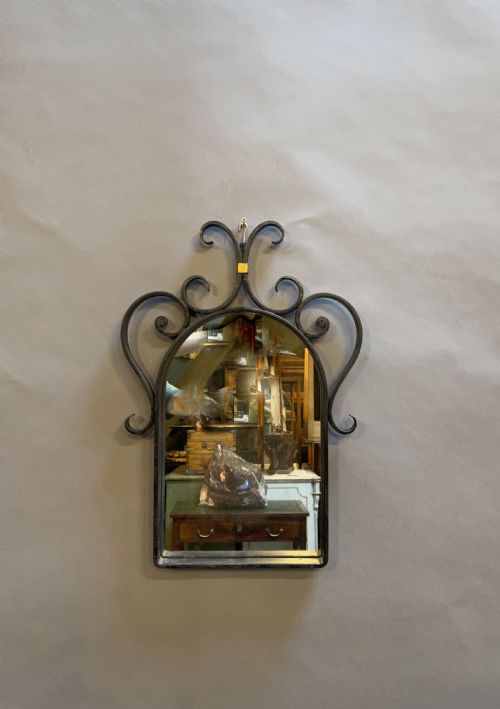
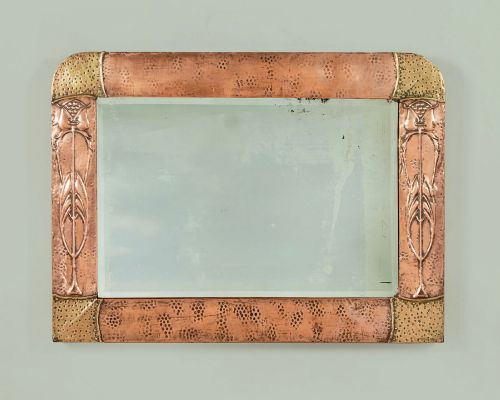
A metal framed mirror encompasses wall mirrors, table mirrors, and hand mirrors shaped by periods ranging from the nineteenth century through the Art Deco era of nineteen thirty. The selection here leans heavily towards Arts and Crafts copper examples, Victorian cast brass frames, and French window mirrors.
Makers and makers' circles span distinct stylistic movements, including Art Nouveau, French Provincial, and Industrial designs. Buyers encounter everything from small vanity sets to large wall-hung pieces intended to alter the light within a space.
The objects serve functional and decorative roles alike, utilising glass and mirror glass housed in durable metallic surrounds. Each piece reflects the aesthetic priorities of its decade of origin, from rustic hammered surfaces to ornate gilt bronze.
How a metal framed mirror was made
Makers utilised cast iron, brass, copper, and gilt metal, often pairing the metallic frames with wooden backing or structural supports. Cast pieces benefited from intricate moulds, while other frames relied on sheet metal beaten or embossed by hand.
Techniques such as repoussé work created raised decorative motifs on copper surfaces, and champlevé enamel added colour detail to bronze frames. Artisans applied paint or gilt finishes to enhance texture and catch the light across different styles.
Design styles represented include Victorian, Arts and Crafts, Art Deco, Art Nouveau, and industrial French window mirrors.
What varies in quality in a metal framed mirror
The depth and crispness of the metalwork dictate the standard of execution, separating standard production from skilled artisan output. Hand-hammered copper and finely cast brass display distinct tool marks and relief details that indicate superior craftsmanship.
The preservation of the original mirror glass and the stability of the structural joins influence the overall integrity of the piece. Superior examples retain their original patination and integrated decorative elements, such as cabochons or crests, without modern replacement parts.
Liberty & Company·Louis Auguste Moreau·Coalbrookdale
The Metal Framed Mirror Glossary
- Repoussé
- A metalworking technique where an artisan hammers the metal from the reverse side to form a raised design on the front. This method appears frequently on Arts and Crafts copper frames.
- Champlevé
- An enamelling process where troughs are carved into the metal surface and filled with vitreous enamel before firing. It occurs on select nineteenth-century bronze and brass pieces.
- Cabochon
- A polished, convex gemstone or ceramic cabochon set directly into the metal frame without facets. These often punctuate the corners of Arts and Crafts copper mirrors.
- Cushion framed
- A frame profile that curves outward like a pillow, adding dimensional depth to the glass. Victorian brass examples often utilise this puffy border style.
- Gilt metal
- Metal coated with a thin layer of gold leaf, paint, or powder to simulate solid gold. It provides reflective brilliance across various French and revival styles.
Metal Framed Mirror: Frequently Asked Questions
How do I date a metal framed mirror?
Dating relies on observing the combination of materials, construction methods, and stylistic cues present in the frame. Victorian and nineteenth-century pieces often feature heavy cast brass or elaborate embossing.
Later pieces from the nineteen twenties and thirties introduce chrome and distinct Art Deco geometric lines. Comparing the fixing mechanisms and backing materials further clarifies the period of origin.
Are these mirrors suitable for bathrooms?
Many metal framed mirrors function well in bathrooms, provided the environment does not promote excessive moisture damage to the backing and frame. Brass and copper naturally resist certain types of corrosion, developing a stable surface patina over time.
Care should be taken with pieces featuring painted wood components or older mirrored glass susceptible to silvering degradation. Wall-hung installation methods must also support the substantial weight of cast iron or bronze items.
How do I clean an antique metal frame?
Cleaning requires a gentle approach to preserve the historical patina and avoid stripping the original surface finishes. A soft, dry cloth removes dust without disturbing vulnerable areas like repoussé copper or gilt metal.
Harsh chemical polishes should be avoided because they strip away the aged character valued by collectors. Professional advice is recommended if the frame shows signs of verdigris or unstable plating.
What is a window mirror?
A window mirror is constructed using an authentic architectural window frame fitted with mirror glass instead of window panes. These pieces originated in France and create the illusion of added space and light within interior rooms.
The metal or painted frames retain their original operational latches and iron bars, contributing an industrial or rustic aesthetic. They are typically heavy and require secure wall anchoring.