



Metal Firewood Holder
A metal firewood holder sits beside the hearth to keep logs tidy and dry, bringing traditional warmth and utility into a room.
Metal Firewood Holder
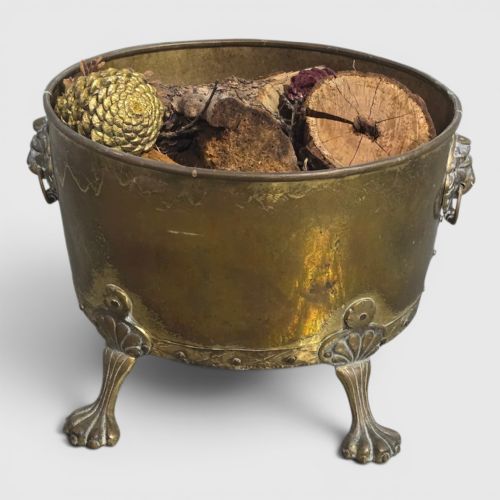
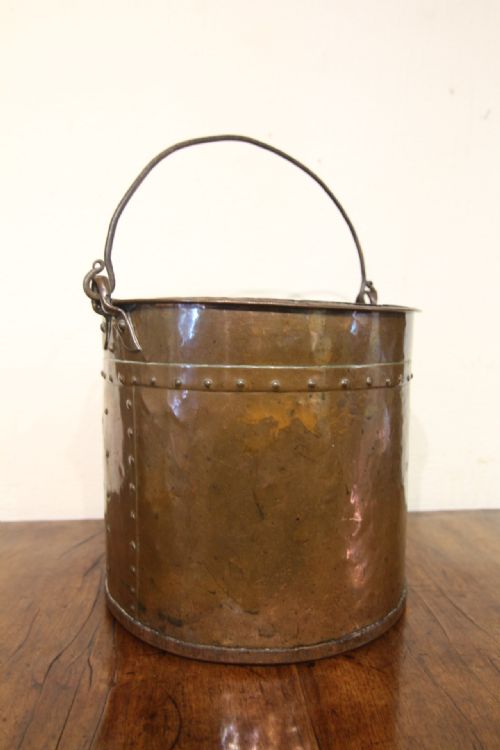
A metal firewood holder functions as a practical vessel for storing logs by the hearth, drawing on forms produced from the nineteenth century onwards. You are most likely to encounter copper and brass log bins, buckets, and cauldrons dating across the Victorian, Arts and Crafts, and Georgian periods. These pieces serve both as working fireside accessories and as decorative items within domestic spaces.
The objects listed range from riveted copper buckets to heavy brass jardinières and iron-framed containers. Many examples double as planters or coal receivers, demonstrating the versatile uses of metal vessels through successive decades. Each piece reflects the functional requirements of domestic heating before the advent of central heating.
Construction and materials
Makers utilised durable metals such as copper, brass, wrought iron, and galvanised steel to construct these vessels. Heavy gauge sheets were beaten, shaped, and joined with structural rivets to withstand the weight of timber and coal.
Handles and fittings incorporate wrought iron swing mechanisms or cast brass brackets, secured firmly to the main body. The combination of different metals, such as brass trims on copper bodies, provides both structural strength and visual contrast.
Metal Firewood Holder Retail Price Guide 2026
Typical asking prices for metal firewood holder among the pieces listed under this phrase on Sellingantiques today, from the lower quarter to the upper quarter. They describe what is for sale here now, not the wider market.
Assessing quality and craftsmanship
Quality reveals itself in the thickness of the metal plate and the precision of the hand-beaten or riveted joints. Heavier gauges and robust iron frames indicate a standard of construction intended for heavy daily use near the hearth.
Refinement in surface finish and the integrity of applied handles distinguish standard utility vessels from finer examples. The balance of proportion between the vessel body and its mounts separates ordinary production from more accomplished metalwork.
The Metal Firewood Holder Glossary
- Cauldron
- A large round metal pot with a curved base and a swing handle, often utilised for holding fuel by the fireplace. These vessels frequently feature hand-beaten surfaces and sturdy iron attachments.
- Jardiniere
- An ornamental pot or receptacle designed to hold plants, though frequently adapted for use as a log bin. They are typically cast or spun in brass or copper.
- Coal receiver
- A dedicated container designed to store coal near a fireplace before it is placed on the fire. These often feature hinged lids or specialised shovel attachments.
- Riveted
- Joined together using metal pins that are hammered flat at the ends. This technique provides immense structural strength to heavy copper and iron vessels.
- Dinanderie
- Objects made of beaten brass, copper, or other non-ferrous metals, often associated with decorative vessels from the early twentieth century. The term covers a wide range of historic hollowware.
Metal Firewood Holder: Frequently Asked Questions
What is a metal firewood holder used for?
These vessels store and organise logs neatly beside an open fireplace or wood-burning stove. They keep hearth debris contained while maintaining a supply of dry timber ready for burning.
Historically, similar containers held coal or peat, but today they serve domestic fireplace storage needs. Their durable metal construction prevents wood bark and dirt from spilling onto the floor.
How do I clean an antique metal firewood holder?
Maintenance depends entirely on the finish and metal type, requiring simple dusting or gentle cleaning with a soft cloth. Avoid harsh chemical polishes that strip away historic patination accumulated over decades.
Leaving the surface undisturbed helps preserve the character developed through generations of domestic use. Natural oils and waxes are occasionally used by collectors to protect exposed copper or brass.
Can I use an antique log bin outside?
Many copper and iron vessels were originally made for indoor fireside use or garden display as planters. Placing historic metalwork outdoors exposes it to moisture that accelerates corrosion and tarnishing.
If utilised as a garden planter, ensure adequate drainage to prevent standing water from damaging the base. Indoor placement remains the safest option for preserving the structural integrity of antique metal.
How do I date an old metal log bucket?
Dating relies on observing manufacturing techniques, material choices, and stylistic markers such as Arts and Crafts or Georgian design motifs. Hand-beaten surfaces and specific rivet types offer clues to the period of production.
Comparing the construction methods with documented examples from the nineteenth and early twentieth centuries helps narrow the origin. Makers' marks, where present, provide definitive evidence of workshop and date.