






Metal Drink Mixer
A metal drink mixer brings the sharp geometry of the cocktail age straight to the modern bar.
Metal Drink Mixer
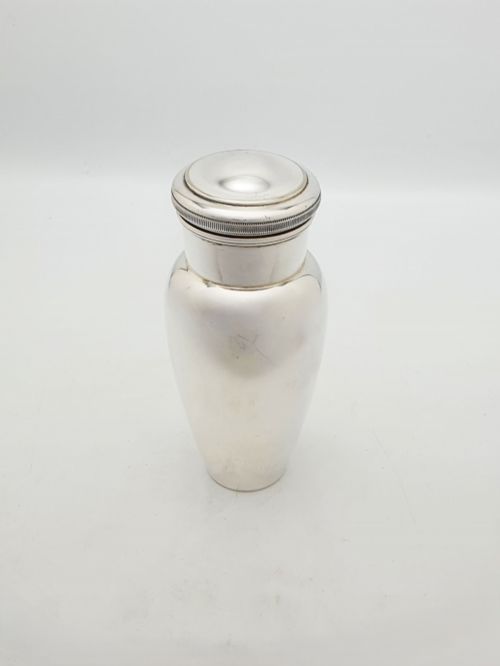
When you search for a metal drink mixer, you encounter barware fashioned primarily as cocktail shakers originating mainly from the 1920s, 1930s, and 1940s, alongside later modernist examples. These vessels formed the centrepiece of interwar hospitality, designed to combine and chill spirits with ice before pouring.
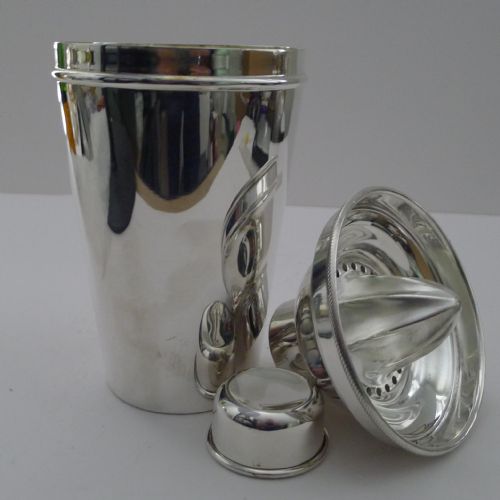
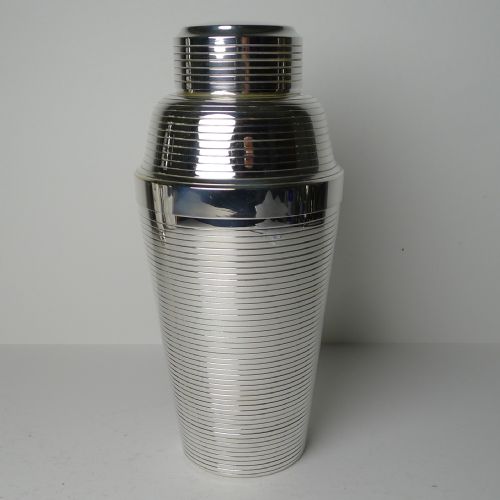
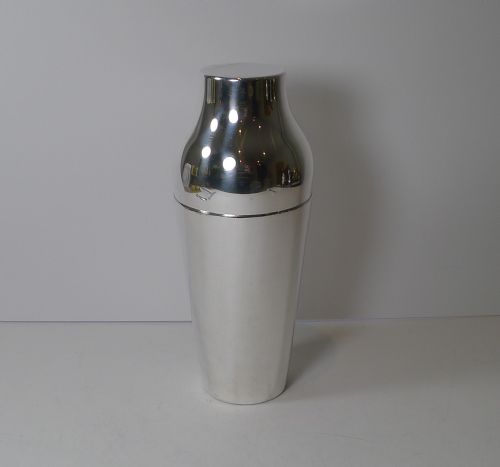
The most frequent iteration you meet on this page is the silver-plated cocktail shaker, often styled in the geometric lines of Art Deco. Many incorporate functional elements directly into their metal bodies, such as rotating recipes, engraved drink guides, integral lemon squeezers, or built-in ice breakers.
Origins stretch across English silversmiths, German workshops, French houses, and Italian studios, demonstrating international enthusiasm for mixed drinks during the twentieth century. Forms range from compact bachelor vessels to large proportions suited for entertaining groups.
How they were made
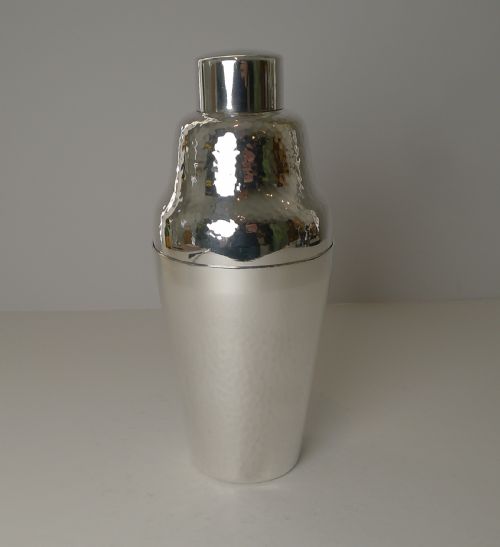
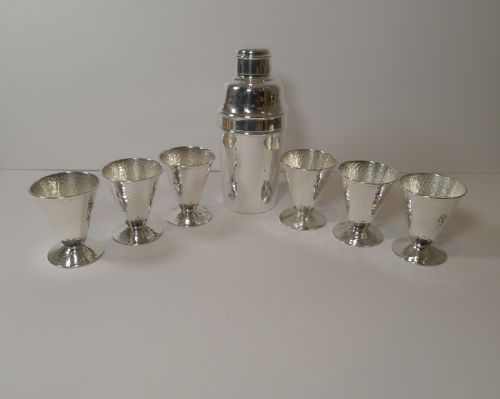
Makers utilised base metal or electroplated nickel silver as the primary substrate, applying layers of silver plate to create a reflective, durable finish. Some pieces exhibit hammered surfaces, where silversmiths shaped the metal by hand to catch the light.
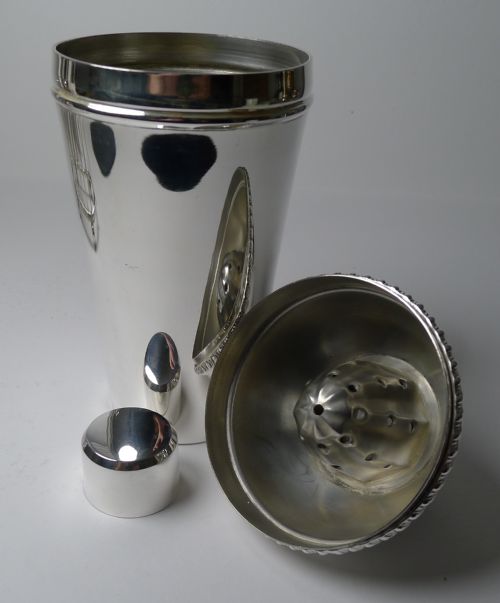
Construction typically involves spinning or pressing metal into multi-part forms, including distinct lids, strainers, and main bodies that fit together securely. Details like engraved recipes and specialised mechanisms such as lemon squeezers require precise engineering within the metalwork.
Listings feature silver-plated barware spanning from the 1920s through the 1960s, encompassing Art Deco and Modernist designs.
What varies in quality
Distinction in quality rests upon the weight of the metal, the balance of the proportions, and the clarity of decorative engraving. Substantial gauge metal provides a reassuring heft in the hand, whereas lighter vessels feel utilitarian.
J. B. Chatterley & Sons·Gaskell & Chambers·Carl Deffner·Mappin & Webb·Orfèvrerie Christofle
The Metal Drink Mixer Glossary
- Silver Plate
- A thin layer of silver bonded to a base metal core such as nickel silver or brass. This technique allowed manufacturers to produce lustrous tableware at a more accessible cost than solid silver.
- Electroplated Nickel Silver
- An alloy of copper, nickel, and zinc coated with pure silver through an electrolytic process. It provides a durable, corrosion-resistant foundation for barware.
- Art Deco
- A design movement spanning the 1920s and 1930s characterised by sleek geometric shapes, streamlined forms, and stylized motifs. It heavily influences the silhouette of interwar cocktail shakers.
- Bachelor Cocktail Shaker
- A smaller version of the standard mixing vessel intended for single portions or intimate gatherings. These compact pieces date frequently to the 1920s.
- Integral Lemon Squeezer
- A built-in citrus reamer fitted into the top or strainer section of a shaker. This allows direct extraction of juice into the mixing chamber during preparation.
Metal Drink Mixer: Frequently Asked Questions
How do I use an old cocktail shaker?
Fill the main metal body with spirits, modifiers, and ice, then secure the lid and cap firmly before shaking vigorously. The metal conducts the cold rapidly, chilling the liquid within moments.
After mixing, remove the top cap to pour through the built-in strainer. Take care to hand wash the metal promptly after use to preserve the silver plate.
How do I identify Art Deco shakers?
Art Deco shakers display sharp geometric lines, stepped motifs, and streamlined cylindrical or conical forms. Designers embraced functional ornamentation, often incorporating bands of polished metal or textured surfaces.
These pieces typically date from the 1920s and 1930s. They contrast sharply with the plain, utilitarian shapes that emerged in later decades.
What are recipe cocktail shakers?
Recipe shakers feature cocktail formulas etched, engraved, or printed directly onto the outer metal body. Rotating outer sleeves sometimes reveal different drink ingredients through small windows.
These functional novelties allowed hosts to consult proportions without reaching for a separate book. They represent a playful intersection of utility and design during the interwar period.