



Metal Door Lions
Metal door lions are heavy sculptural hardware designed to hold open heavy interior doors with authority and presence.
Metal Door Lions
Metal door lions encompass architectural fittings such as doorstops, door porters, and door knockers that take the form of the king of beasts. These pieces date across the Georgian, Victorian, and nineteenth-century periods, capturing both stylized heraldic beasts and naturalistic predators.
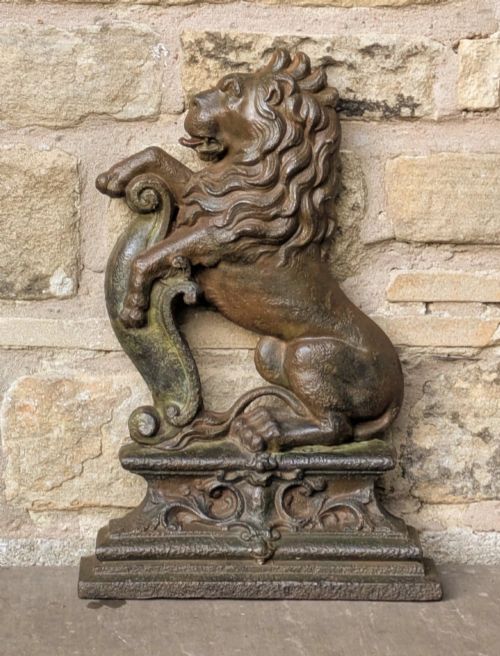
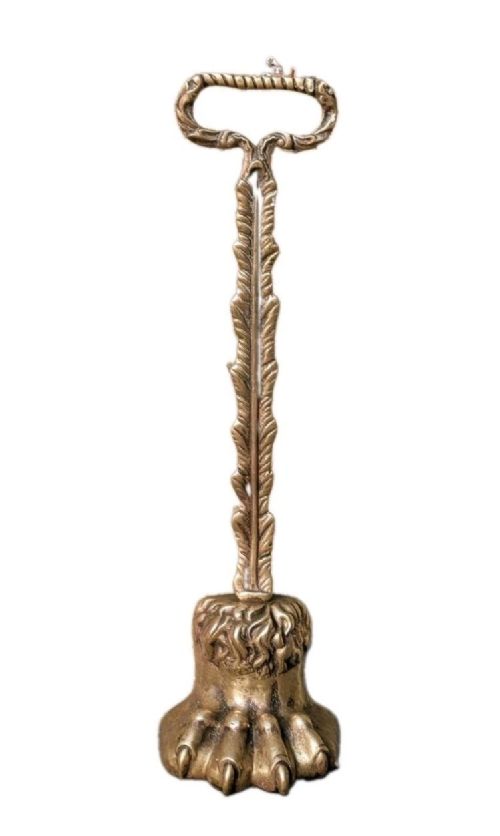
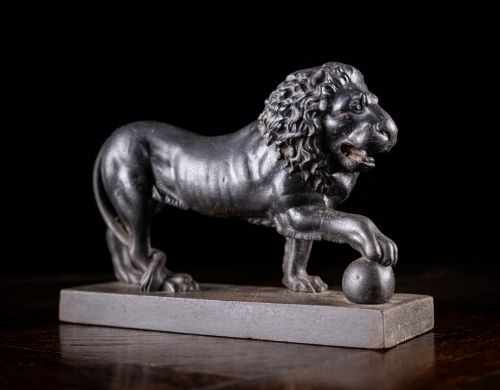
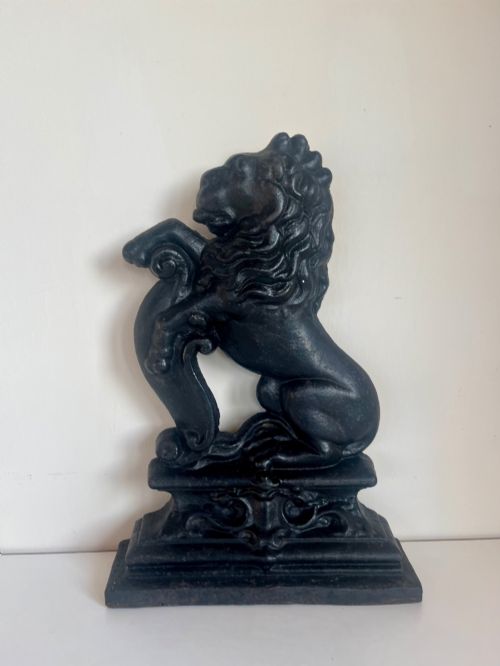
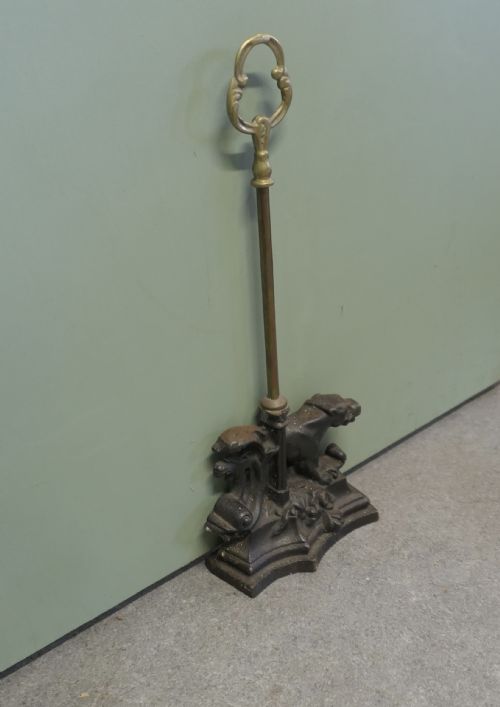
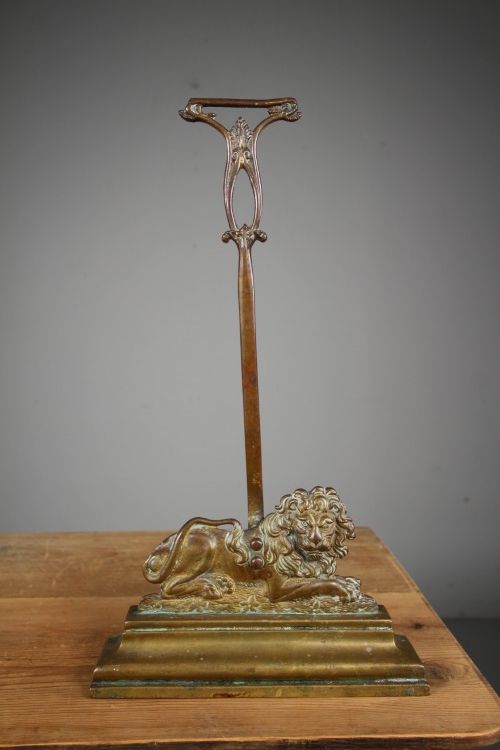
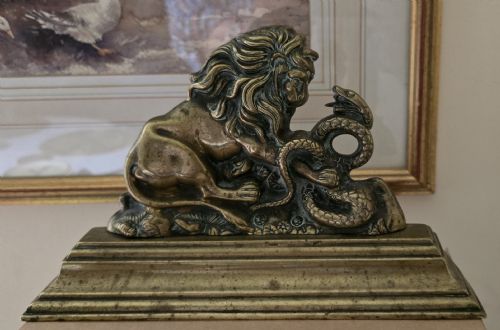
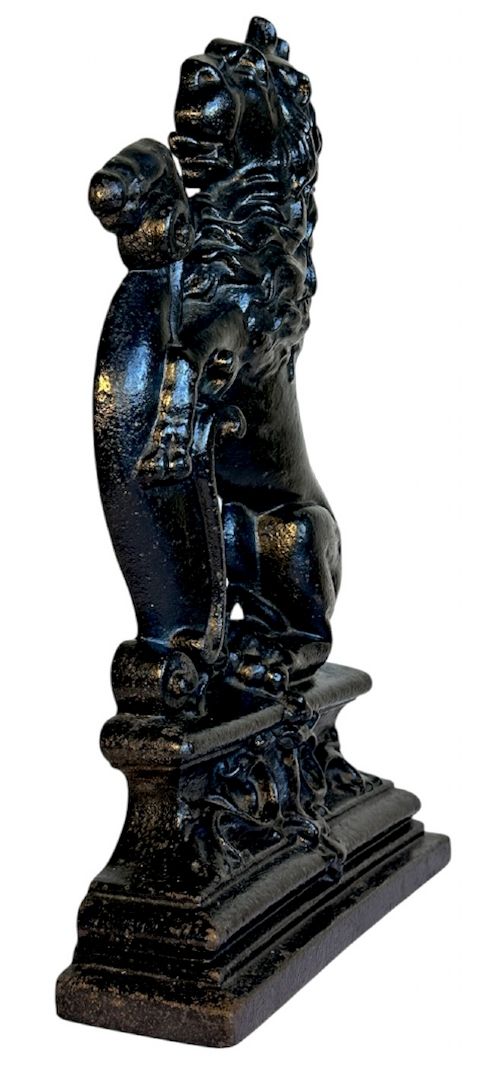
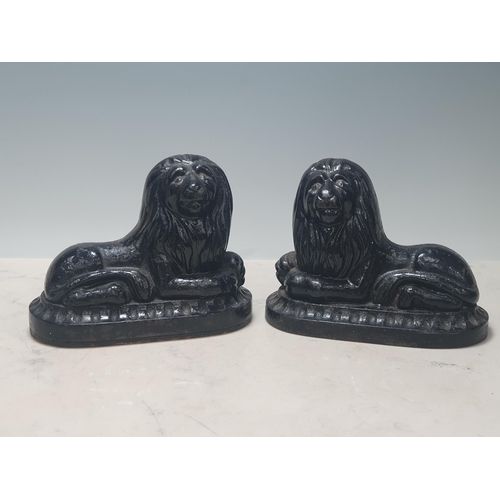
The most common examples on this page are heavy cast iron and brass door porters, often depicting rampant lions or recumbent beasts intended to manage stubborn interior doors. Variations include brass lion masks functioning as door knockers and paired bronze sculptures.
Originating largely from English workshops of the nineteenth century, these items also appear in styles referencing Traditional Chinese motifs like Foo dogs and lions. Buyers will encounter both single imposing figures and balanced pairs designed for symmetry.
How they were made
Foundries produced these metal door lions primarily through sand casting in iron, brass, and bronze, pouring molten metal into moulds to capture sharp muscular detail and facial expressions. Cast iron versions provided the necessary dead weight for a functional doorstop, while brass and bronze allowed for finer chased surface textures.
Secondary treatments involved surface finishes such as black paint applied to cast iron to prevent oxidation, alongside polished brass highlights. Makers also integrated steel or integrated iron rods in hardware designs to secure knockers and plates to heavy timber.
Metal Door Lions Retail Price Guide 2026
Typical asking prices for metal door lions among the pieces listed under this phrase on Sellingantiques today, from the lower quarter to the upper quarter. They describe what is for sale here now, not the wider market.
Victorian households relied on heavy cast iron lions to keep the drawing-room door from slamming shut during afternoon tea.
What varies in quality
Proportion and stance dictate visual success, with superior pieces showing balanced anatomy whether rampant or recumbent. Original surface patination and intact early paint layers or polished bronze finishes contribute significantly to the integrity of the piece.
The Metal Door Lions Glossary
- Door porter
- A heavy portable doorstop equipped with a handle at the top, allowing it to be easily lifted and moved. These were essential for keeping draughty interior doors propped open in large houses.
- Rampant
- A heraldic term describing an animal standing on its hind legs with forepaws raised in a striking posture. This pose conveys dynamic energy on cast iron and bronze doorstops.
- Recumbent
- An artistic term for a figure lying down or resting while remaining alert. Recumbent lion doorstops often appear in pairs facing one another.
- Foo dog
- A traditional Chinese guardian lion depicted with stylized curls and fierce expression. These protective figures appear on nineteenth-century bronze door plates.
- Cast iron
- An iron-carbon alloy poured into moulds to create heavy, rigid objects. It served as the primary material for utilitarian nineteenth-century doorstops due to its weight.
Metal Door Lions: Frequently Asked Questions
What is a door porter?
A door porter is a heavy freestanding doorstop fitted with an upright handle, designed to be lifted and placed against interior doors.
Unlike wedge stops placed underneath, door porters rely on their substantial weight to hold heavy doors open from the front.
How do I use a heavy metal lion doorstop?
These pieces function primarily as interior doorstops or decorative floor sculptures in hallways and reception rooms.
Due to their weight, they sit firmly on floorboards or carpets to prevent doors from swinging shut in draughty spaces.
Are these pieces made of solid brass or cast iron?
The listings comprise both solid cast iron and brass or bronze items, each selected for its specific weight and appearance.
Cast iron pieces provide maximum mass for utility, while brass and bronze examples offer warmer metallic tones and finer sculptural detail.
How do I distinguish Victorian pieces from Georgian ones?
Dating relies on stylistic markers, casting techniques, and recorded provenance associated with the nineteenth century.
Georgian examples often display neoclassical restraint, whereas Victorian pieces frequently embrace more ornate or robust figurative interpretations.