




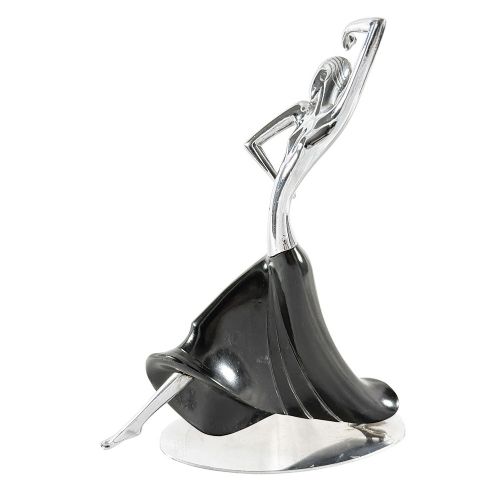
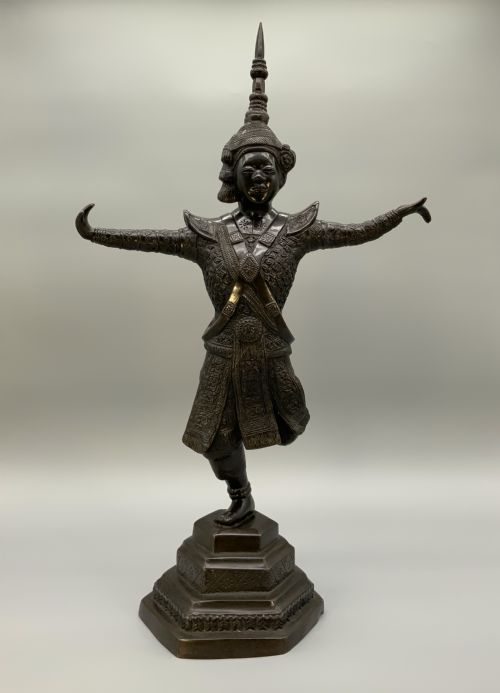


Metal Dancer Statue
A metal dancer statue captures motion in solid form, bringing the theatrical energy of the stage directly into your interior.
Metal Dancer Statue
When you search for a metal dancer statue, you encounter figures spanning the nineteenth century through the Art Deco era. These pieces range from classical mythological subjects to modern interpretations of movement.
The most common version you will meet on this page is the Art Deco figure from the nineteen-twenties and nineteen-thirties. These depictions frequently pair female dancers with architectural bases made of onyx or marble.
Beyond European decorative works, the selection encompasses specific cultural traditions and regional schools. You find nineteenth-century Indian bronzes alongside pieces from the applied arts school in Bien Hoa.
Materials and construction methods
Foundry workers utilised traditional casting methods to shape bronze, spelter, and patinated metal. Bronze provides durable longevity, while spelter offers a softer alloy often finished with silver plating or cold painting.
Sculptors mounted these figures upon sturdy mineral plinths to ensure stability and visual contrast. Onyx, marble, and alabaster serve as common bases for the upright and leaping figures.
Surface treatments define the visual character of each piece. Chrome plate, silvering, and applied paint bring out the details of garments, hair, and posture.
Metal Dancer Statue Retail Price Guide 2026
Typical asking prices for metal dancer statue among the pieces listed under this phrase on Sellingantiques today, from the lower quarter to the upper quarter. They describe what is for sale here now, not the wider market.
Listings include twentieth-century table lamps and table lighters alongside freestanding sculptures.
Indicators of superior craftsmanship
The integration between the sculpture and its stone plinth reveals the care taken during assembly. High-grade pieces fit flush against their marble or onyx mounts without visible gaps or rough joins.
The quality of the surface finish distinguishes standard production from notable studio output. Original patination, careful silvering, and intact cold-painted details elevate the visual presence of the statue.
Josef Lorenzl·Pierre Le Faguays·Claire Colinet·Jean Jacques Pradier
The Metal Dancer Statue Glossary
- Spelter
- A zinc-based alloy commonly used as a cost-effective alternative to bronze in decorative figures. It accepts various metallic finishes and patinas.
- Patinated metal
- Metal treated with chemicals or heat to alter its surface colour. This process creates protective layers and decorative tones.
- Cold-painted
- A technique where paint is applied to metal without being fired in a kiln. It requires careful handling to preserve the pigments over time.
- Alabaster
- A fine-grained mineral stone used for carving decorative bases. Its translucent quality allows light to diffuse softly through the plinth.
Metal Dancer Statue: Frequently Asked Questions
How do I care for a metal dancer statue?
Dust the surface regularly with a soft, dry cloth to prevent the accumulation of grit in the crevices of the casting. Avoid using chemical cleaners or abrasive polishes that can strip away the original patina or cold-painted details.
Keep the piece away from direct sunlight and damp environments to protect both the metal alloy and the stone base. Natural stone plinths benefit from occasional gentle wiping with a barely damp cloth before being dried thoroughly.
Where should I place a metal dancer statue in my home?
Position your statue on a stable surface such as a mantelpiece, sideboard, or dedicated display cabinet where it receives adequate side lighting. Good lighting emphasises the contours of the casting and the textures of the dancer's garments.
Ensure the location is clear of heavy household traffic to prevent accidental knocks, particularly for figures mounted on delicate onyx or marble bases. Placing the piece at eye level allows you to appreciate the details of the pose and expression.
How do I identify Art Deco pieces?
Art Deco statues typically feature stylised geometries, streamlined forms, and dynamic depictions of motion inspired by modern dance and fashion. Look for symmetrical stepped bases and characteristic poses that reflect the aesthetic of the interwar period.
Material choices also guide identification, with widespread use of silvered bronze, chrome plating, and contrasting stone plinths. Many pieces from this movement display distinctive costuming associated with the ballets russes and cabaret stage.
What is the difference between bronze and spelter?
Bronze is a robust copper alloy that takes fine casting details and develops a rich natural patina over time. It forms the heavier, more durable structural core of premium sculptures.
Spelter is a softer zinc alloy that produces lighter figures which were often plated or painted to imitate bronze or silver. While visually similar when finished, spelter requires greater care due to its softer composition.