








Metal Dancer Sculpture
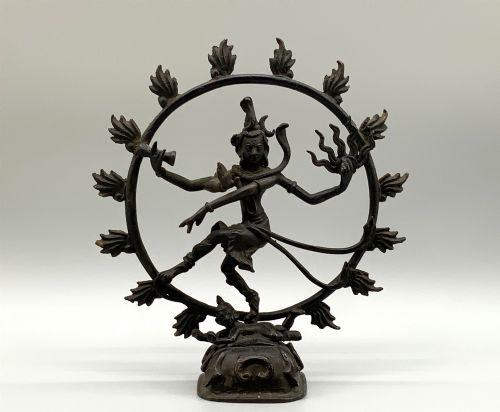
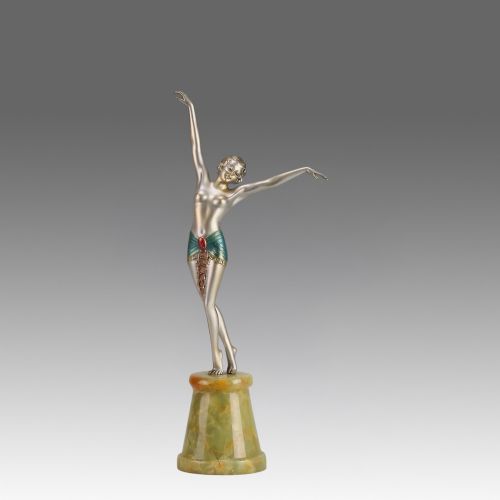
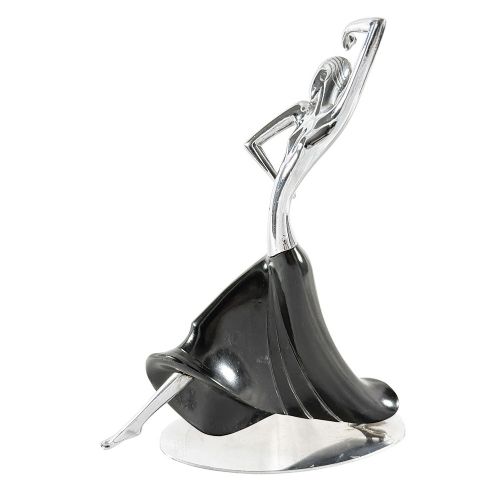
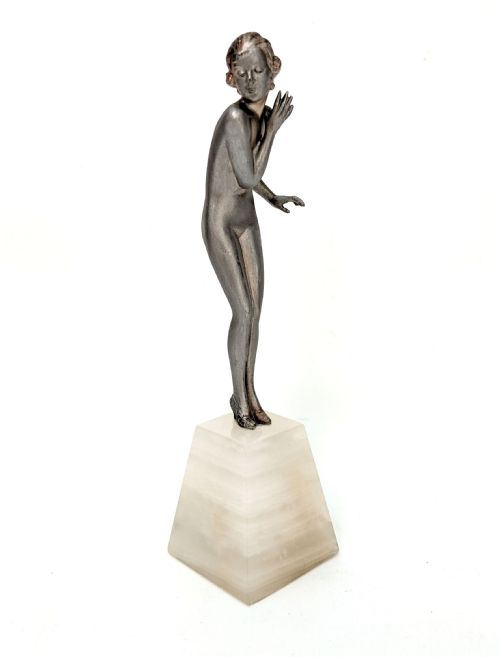
These metal dancer sculpture examples capture movement in bronze, spelter, and silver, bringing kinetic energy straight into your room.
Metal Dancer Sculpture
A metal dancer sculpture captures human movement in solid form, spanning figures in motion from the nineteenth century into the twentieth century. These pieces take the shape of standalone figures, table lighters, and wall plaques that record performers from classical mythology to cabaret stages.
Art Deco examples dominate the selection, frequently pairing cast metal figures with heavy stone bases made of onyx or alabaster. Alongside European modernism, the offerings include nineteenth-century Indian bronze figures and later regional works from Indochina.
The common thread across these objects is the depiction of the human body in active balance, whether rendered as a court dancer, an Egyptian dancer, or a Bacchic figure. Buyers encounter everything from small cabinet figurines to large sculptures meant to anchor a room.
Materials and construction methods
Foundry work relies heavily on bronze and spelter, the latter serving as a more affordable base metal often finished with paint, silver plating, or chrome. Cold-painted surfaces add rich detail to clothing and skin tones, while silvered bronze treatments lend a bright reflective sheen to garments.
Foundations play a structural role in stability, with dense materials like marble, onyx, and alabaster providing heavy plinths for slender figures. Wood and glass occasionally appear to mount or frame the metallic elements.
Metal Dancer Sculpture Retail Price Guide 2026
Typical asking prices for metal dancer sculpture among the pieces listed under this phrase on Sellingantiques today, from the lower quarter to the upper quarter. They describe what is for sale here now, not the wider market.
Listings feature works spanning the nineteenth century through the 1940s, with a strong concentration of Art Deco pieces dated around 1930.
Distinguishing quality in cast figures
Base selection also marks a difference in grade, as solid carved onyx or alabaster plinths provide greater weight and presence than simpler mounts. Signed pieces associated with known sculptors carry distinct evidence of artistic authorship in their proportions and casting finish.
Josef Lorenzl·Pierre le Faguays·Claire Colinet·Jean Jacques Pradier
The Metal Dancer Sculpture Glossary
- Spelter
- A zinc alloy commonly used as an economical alternative to bronze in decorative figures. It accepts metallic paints and silver plating well.
- Cold-painted
- A technique where paint is applied to metal after casting without high-heat firing. This finish requires gentle care to prevent flaking over time.
- Onyx
- A banded variety of chalcedony utilised frequently for sculptural bases. Its natural weight anchors tall, slender metal figures securely.
- Chasing
- The process of hand-tooling a metal casting after it leaves the mould to refine details and smooth rough seams. Master artisans use small chisels and hammers for this work.
Metal Dancer Sculpture: Frequently Asked Questions
How do I identify Art Deco pieces?
Art Deco metal sculptures typically feature streamlined forms, stylized drapery, and dynamic poses associated with the 1920s and 1930s. They often stand upon geometric bases made of contrasting materials like onyx or marble.
Look for depictions of cabaret dancers, Egyptian themes, and modern theatrical costumes that define the period aesthetic.
What is spelter and how is it finished?
Spelter is a zinc-based alloy that mimics the appearance of bronze when treated with surface coatings. Because it is softer than bronze, manufacturers applied silver plating, chrome, or polychrome paint to give the metal colour and depth.
These finishes help distinguish standard decorative production from plain metal castings.
Where should I display these heavy figures?
Due to the dense stone plinths made of onyx, alabaster, or marble, these sculptures require sturdy surfaces capable of supporting substantial weight. Tabletops, mantels, and dedicated display cabinets offer secure placement.
Keep them away from direct sunlight to protect any cold-painted surface details from fading.
How do I care for silvered bronze?
Silvered bronze surfaces require dry dusting with a soft, lint-free cloth to remove everyday particles. Avoid abrasive polishes or liquid cleaners that can strip away the delicate silver layer.
Stable indoor humidity levels prevent the underlying metal from reacting adversely to moisture.