







Metal Dancer Figure
A metal dancer figure brings movement and rhythm into a room, capturing the energy of the performer in bronze, spelter, or silvered metal.
Metal Dancer Figure
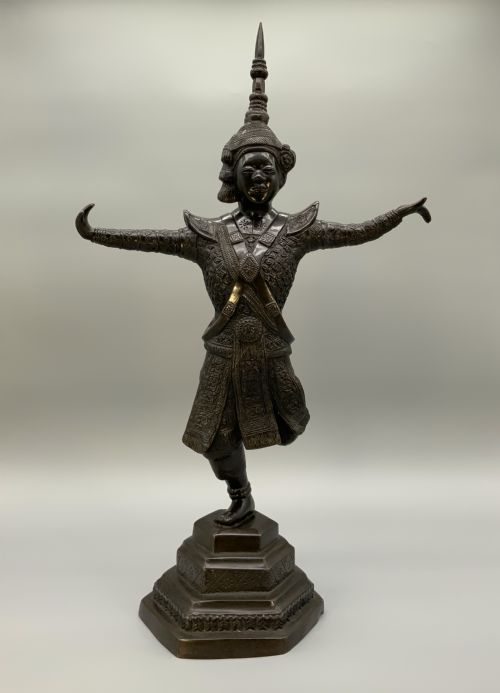
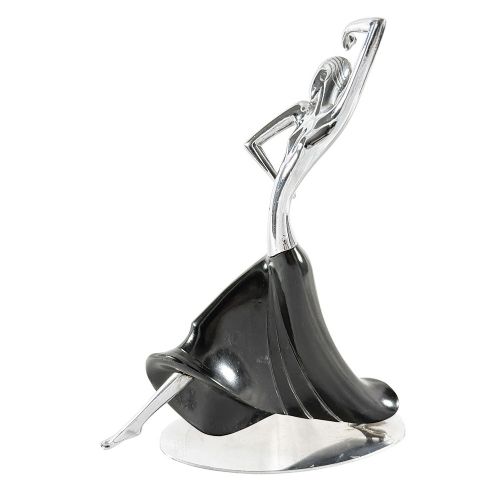
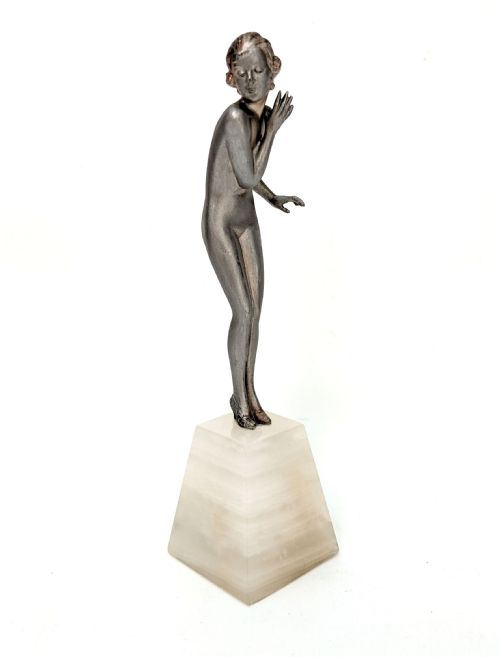
A metal dancer figure encompasses a variety of sculptural forms, most commonly originating from the Art Deco period with strong representation from the nineteen-twenties and nineteen-thirties. These pieces portray female dancers, mythological deities such as Shiva Nataraja, and court performers caught in moments of motion.
The objects take several distinct physical forms, ranging from standalone statues and statuettes to functional items like table lamps and table lighters. Many pieces incorporate integral bases made of onyx, marble, or alabaster to support the weight of the metal sculpture above.
Geographic origins span across European workshops, particularly French studios, alongside Indian bronze casting traditions and Indochinese applied arts schools. Buyers encounter both cold-painted surfaces and polished metallic finishes depending on the intended aesthetic of the maker.
Materials and construction methods
Foundry work relies on traditional casting methods utilising bronze, spelter, and silvered bronze to shape the figures. Spelter serves as a common base metal for figures produced during the Art Deco era, offering a lighter alternative to solid bronze.
Surface treatments involve cold-painting, silver-plating, chrome plating, and patination to add colour and texture to the metallic garments and skin. Natural stone components such as onyx, marble, and alabaster are shaped and polished to form heavy contrasting plinths for the figures.
Metal Dancer Figure Retail Price Guide 2026
Typical asking prices for metal dancer figure among the pieces listed under this phrase on Sellingantiques today, from the lower quarter to the upper quarter. They describe what is for sale here now, not the wider market.
Current listings feature figures cast in bronze, spelter, and silvered bronze, mounted upon bases of onyx, marble, and alabaster.
Distinctions in quality
The selection and fitting of the base material also influence the overall standard of the piece. Denser, well-polished stones like onyx and marble provide stability and complement the metallic finish of the sculpture above.
Josef Lorenzl·Pierre Le Faguays·Claire Colinet·Jean Jacques Pradier
The Metal Dancer Figure Glossary
- Spelter
- An alloy of zinc and lead or tin, frequently used as a cost-effective substitute for bronze in decorative figures. It accepts patination and paint well.
- Cold-painted
- A technique where paint is applied to a metal object without subsequent firing or heat curing. This finish is common on twentieth-century cabinet bronzes.
- Patination
- The natural or chemical alteration of a metal surface over time. Artists also apply chemical patinas intentionally to create specific colour tones on bronze.
- Alabaster
- A fine-grained, translucent stone used historically for carving bases and sculptural elements. Its softness allows for smooth, rounded shaping.
- Nataraja
- A depiction of the Hindu god Shiva as the cosmic dancer performing the Ananda Tandava. These bronzes follow established iconographic traditions.
Metal Dancer Figure: Frequently Asked Questions
How do I clean a metal dancer figure?
Dust the surface gently with a soft, dry cloth to prevent the accumulation of grit in the crevices of the casting. Avoid using chemical polishes or water, as these can strip away cold-painted finishes and vintage patination.
For stone bases made of onyx or marble, wipe them clean with a slightly damp cloth followed by an immediate dry wipe. Keep the sculpture away from direct sunlight and damp environments to protect both the metal and the stone.
What is the difference between bronze and spelter?
Bronze is a durable alloy primarily composed of copper and tin, prized for its strength and ability to hold fine detail during casting. Spelter is a softer, zinc-based alloy that was widely utilised for decorative objects during the Art Deco period.
Objects cast in spelter are generally lighter than solid bronze and often feature applied surface paint or patinas to simulate bronze or silver. Careful inspection of the underside or base often reveals the lighter grey metal beneath worn paint.
How can I tell if a figure is Art Deco?
Art Deco figures typically exhibit stylised geometries, streamlined clothing, and dynamic poses inspired by dance, theatre, and athletic movement. The aesthetic favors theatricality, energetic lines, and modern materials.
Base materials from this era frequently include contrasting geometric blocks of onyx or marble. The costuming and hairstyles of the female figures generally reflect the fashions of the nineteen-twenties and nineteen-thirties.
Where should I display a lamp version?
Table lamps incorporating a metal dancer figure require a stable surface with adequate room to accommodate the integrated base and electrical cord. Positioning the lamp away from high-traffic areas protects delicate outstretched arms or glass elements.
Ensure the bulb wattage matches any historical specifications to prevent excessive heat exposure to painted metal surfaces or stone bases.